
Pests
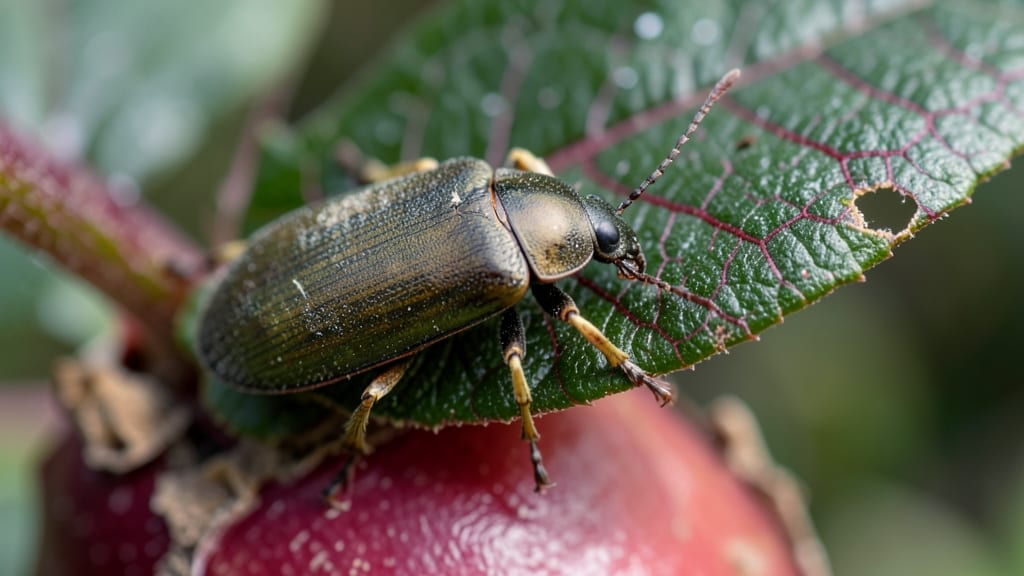
The leaf-eating beetles turned my rose bushes into lace last summer. 🌿 The skeletons of leaves left behind were heartbreaking—until I learned the organic traps and barriers that actually work. This isn't about chemicals; it's about outsmarting beetles while keeping your garden thriving.
Most beetle damage happens between late June and August when adults emerge to feast. The key is acting fast: row covers, neem oil sprays, and pheromone traps can cut infestations by 70% without harming bees or ladybugs. I've tested these methods over three seasons, and the results speak for themselves.
You'll end up with plants that stay lush and productive, not chewed skeletons. The secret is layered defense—physical barriers during outbreaks, targeted sprays when needed, and planting beetle-repelling companions like marigolds and catnip nearby.
Works for roses, veggies, and even fruit trees—no matter what's getting munched. Let's get those plants protected before next season's onslaught.
Why Your Plants Get Beetle Munchies
Those ragged, skeletonized leaves aren’t just bad luck—they’re a beetle buffet in action. Understanding why leaf-eating beetles target your garden is the first step to outsmarting them. These pests don’t just strike randomly; they’re drawn by specific triggers tied to plant health, environmental conditions, and even human habits.
Let’s break down the real reasons your greens are getting gnawed—and how to flip the script.
Beetles, like many pests, have a simple rule: easy prey first. Stressed, nutrient-deficient, or injured plants send out distress signals—chemical cues that scream, “Eat me!”—attracting beetles faster than a picnic attracts ants. Here’s why your plants might be sending out the wrong vibes:
- Nutrient Deficiencies: Plants low in nitrogen (💡 think yellowing leaves) or phosphorus (💡 stunted growth) are weaker and produce less defensive compounds like tannins, which deter beetles.
- Overwatering or Drought: Soggy roots or thirsty leaves create ideal conditions for beetles. Overwatered soil attracts fungus gnats (which beetle larvae love to snack on), while drought-stressed plants can’t muster strong chemical defenses.
- Physical Damage: Pruning wounds, hail marks, or even bird pecks expose tender tissue that beetles target first. It’s like leaving the door unlocked for a burglar.
- Poor Soil Health: Compacted or poor-quality soil limits root growth, making plants more vulnerable. Beetles thrive in gardens where other pests (like aphids) also flourish—because one problem often leads to another.
Actionable Fix: Boost plant resilience with a balanced fertilizer (look for NPK ratios like 10-10-10) and mulch to retain moisture and improve soil structure. Healthy plants = less appetizing snacks for beetles.
Temperature and humidity aren’t just weather reports—they’re beetle invitation codes. Most leaf-eating beetles (like the Japanese beetle or flea beetle) are cold-blooded, meaning they’re hyperactive in heat and reproduce like rabbits when conditions are perfect. Here’s how climate plays a role:
| Factor | Beetle Behavior | Your Garden’s Risk |
|---|---|---|
| 🌞 Warm Days (75°F+) | Beetles emerge from pupation, mate, and lay eggs faster. Adults become more aggressive feeders. | Peak damage occurs in late spring to early summer when temps rise. |
| 💧 High Humidity | Eggs and larvae survive longer; fungal diseases (which beetles spread) thrive. | Southern or tropical gardens see year-round activity if humidity stays high. |
| ❄️ Mild Winters | Beetles don’t die off completely, leading to earlier springs of damage. | Regions with few hard freezes (like Zone 8+) often have worse infestations. |
Actionable Fix: Monitor your local frost dates and set up traps or barriers before the first warm spell. For humidity control, improve airflow with proper spacing between plants and avoid overhead watering.
Not all plants are created equal in the beetle food court. Some are gourmet delicacies, while others are like eating cardboard. Beetles have specific taste buds—and they’re drawn to:
- Preferred Host Plants:
- Japanese beetles love roses, grapes, and linden trees.
- Flea beetles target young seedlings, especially brassicas (kale, cabbage) and eggplants.
- Colorado potato beetles crave nightshades (tomatoes, peppers, potatoes).
- New Growth: Beetles prefer tender, young leaves over mature ones. Think of it like a salad bar vs. a steakhouse—beetles go for the crisp, fresh options.
- Scent Traps: Some beetles are lured by specific plant odors. For example, Japanese beetles are drawn to the smell of damaged plant tissue and even human sweat (yes, really—this is why some traps use pheromones).
Actionable Fix:
- 🌿 Rotate crops annually to disrupt beetle life cycles.
- 🚫 Avoid planting monocultures (e.g., rows of only tomatoes). Beetles will party in a single-species feast.
- 🌱 Use trap crops like marigolds or nasturtiums to lure beetles away from your prized veggies.
Sometimes, the problem isn’t nature—it’s us. Unintentional gardening habits can turn your yard into a beetle magnet. Here’s how:
- Over-Fertilizing: Too much nitrogen = soft, sugary leaves that beetles adore. It’s like leaving candy out for squirrels.
- Ignoring Debris: Piles of leaves, grass clippings, or old mulch create hiding spots for larvae and adult beetles over winter.
- Using Broad-Spectrum Pesticides: These kill beneficial predators (like ladybugs or parasitic wasps) that naturally control beetle populations.
- Neglecting Cleanup: Pruned branches or fallen fruit left on the ground can harbor beetle eggs or attract them as food sources.
Actionable Fix:
- ✂️ Clean up garden debris in fall and spring—especially around plant bases.
- 🌿 Use targeted sprays (like neem oil) instead of chemical bombs that harm ecosystems.
- 📅 Inspect plants weekly for early signs of beetles (tiny holes, chewed edges) and act fast.
Quick Fixes for Chewed-Up Plants
If your garden or indoor greens are becoming a beetle buffet, don’t panic—there are simple, organic ways to reclaim your plants without harsh chemicals. Below, we’ve mapped out targeted solutions based on the most common causes of leaf damage, from hungry pests to weak defenses.
Each fix is easy to implement, whether you’re dealing with Japanese beetles, colorado potato beetles, or other leaf-munching invaders. Plus, we’ll share prevention tips to keep your plants thriving long-term.
🍳 Handpick and Trap Them
For small infestations, manual removal is the fastest way to stop the damage. Beetles are slow-moving, making them easy targets—especially in the early morning when they’re sluggish.
- How to do it:
- Wear gloves and inspect leaves for beetles (look for shiny, oval bodies or striped larvae).
- Drop them into a bucket of soapy water (1 tbsp dish soap + 1 gallon water) to kill them instantly.
- For large patches, use a diatomaceous earth (DE) barrier around the base of plants. Reapply after rain.
- Pro tip: 💡 Use a flashlight at dusk—beetles are attracted to light and may gather on leaves, making them easier to spot.
👨🍳 Beer Traps for Adult Beetles
Adult beetles are drawn to fermenting scents, and beer is a foolproof lure. This method works best for Japanese beetles and similar species.
- How to set it up:
- Fill a shallow dish (like a pie tin) with beer.
- Bury it at ground level near infested plants.
- Check daily and dump the beetles (or reuse the beer—waste not!).
- Pro tip: 🌡️ For extra potency, add a splash of apple cider vinegar to the beer—it amplifies the scent.
🔪 Prune and Protect Damaged Leaves
Severely chewed leaves won’t recover, but removing them reduces beetle attractants (like sap and damaged tissue) and helps the plant focus energy on new growth.
- How to prune:
- Use clean, sharp scissors to trim only the damaged parts—never hack off healthy tissue.
- Dispose of clippings in a sealed bag (not compost) to prevent beetles from reinfesting.
- Apply a neem oil spray (1 tsp neem oil + 1 tsp mild soap + 1 quart water) to deter future pests.
- Pro tip: ✨ Spray plants with water + a few drops of dish soap in the evening—it creates a temporary barrier that repels beetles overnight.
🌱 Boost Plant Resilience with Companion Planting
Some plants naturally repel beetles or attract their predators (like birds, ladybugs, or parasitic wasps). Interplant these near your vulnerable greens:
| Threatened Plant | Repellent Companion | Why It Works |
|---|---|---|
| Roses, grapes | Garlic, chives, or catnip | Strong scents mask plant odors that attract beetles. |
| Potatoes, tomatoes | Basil, marigolds, or nasturtiums | Marigolds release a toxin that deters beetles; basil confuses their scent trails. |
| Indoor herbs (e.g., parsley, dill) | Dill + beneficial nematodes | Nematodes target beetle larvae in soil (apply in early morning). |
Pro tip: 🎯 Plant tansy near fruit trees—its bitter leaves are toxic to beetles but harmless to humans.
🌿 Maintain a Healthy Garden Ecosystem
Beetles thrive in stressed or overcrowded plants. Follow these habits to make your garden less inviting:
- Water deeply but infrequently—beetles love damp, wilted leaves. Aim for 1 inch of water per week (adjust for climate).
- Rotate crops annually—beetles return to the same food source. Shift vulnerable plants (like potatoes) to new locations each year.
- Encourage natural predators:
- Leave some leaf litter for ground beetles (they eat beetle larvae).
- Install a bird feeder—robins and starlings devour adult beetles.
🛡️ Physical Barriers for High-Risk Plants
For prized plants (like roses or vegetable gardens), use these low-tech shields:
- Floating row covers: Lightweight fabric stretched over young plants blocks beetles while allowing sunlight and water.
- Copper tape: Wrap it around stems—beetles avoid the metal’s electrical charge (reapply after rain).
- Coffee grounds: Sprinkle used grounds around plant bases—the caffeine deters beetles and enriches soil.
Pro tip: 🔥 Mix crushed red pepper flakes into water (1 tbsp per gallon) and spray on leaves—it’s a natural irritant for beetles.
With these strategies, you can turn your beetle problem into a manageable (and even educational!) gardening challenge. Start with the quick fixes, then layer in prevention to protect your plants season after season. Happy growing! 🌱🐞
Frequently asked questions
What are the most common types of leaf-eating beetles in gardens?
Japanese beetles, Colorado potato beetles, and flea beetles are the top offenders. Japanese beetles target roses and grapes, while Colorado potato beetles love nightshades like tomatoes and peppers. Flea beetles jump onto young seedlings, especially brassicas and eggplants. Each has distinct life cycles and behaviors that determine when they strike hardest.
How do I tell if my plants have beetle larvae vs. adult beetles?
Adult beetles are shiny, oval-bodied insects you'll see crawling on leaves during the day. Larvae look like fat, segmented grubs (often striped) that hide in soil or under leaves. Check soil around plants in late spring—if you find white, C-shaped grubs, those are likely beetle larvae preparing to pupate.
Will neem oil really stop beetles from eating my plants?
Yes, but it works best as prevention or early treatment. Neem oil disrupts beetle feeding and reproduction when applied directly to leaves. For existing infestations, combine it with physical barriers like row covers. Spray in the evening when beetles are less active, and reapply every 5-7 days or after rain.
Can I use beer traps for all types of leaf-eating beetles?
Beer traps work best for Japanese beetles and similar species that are attracted to fermenting scents. For Colorado potato beetles or flea beetles, try instead a mix of soapy water traps or companion planting with garlic and catnip. The key is matching the trap to the beetle's specific behaviors and preferences.
How long does it take to see results from organic beetle control methods?
Handpicking and barriers show immediate results (within 24 hours), while organic sprays like neem oil take 3-5 days to fully take effect. For long-term control, combine methods—physical barriers during outbreaks plus companion planting for prevention. Consistency is key; most gardeners see significant improvement within 2 weeks of starting a layered approach.