
Pests
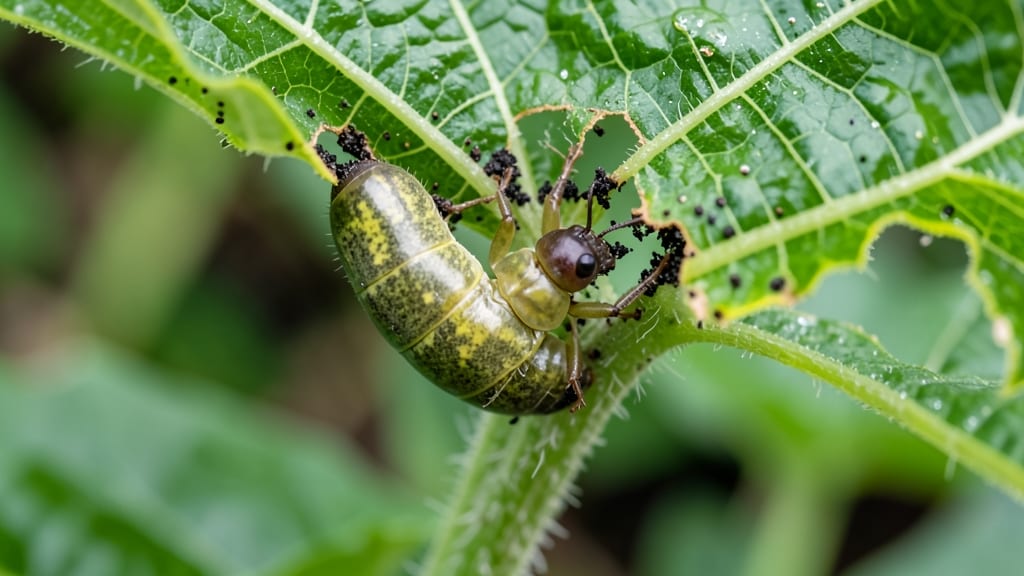
Leaf-eating insects can turn your thriving garden into a skeleton show in days. 🌿 I’ve battled everything from ravenous caterpillars to Japanese beetles, and the key to stopping them isn’t brute force—it’s smart, natural barriers that actually work.
These sprays don’t just mask the problem; they disrupt pests’ feeding habits while keeping your plants safe.
The real secret lies in understanding what attracts these critters—chewed leaves, sticky residue, and the scent of stressed plants. Most store-bought sprays fail because they’re too harsh or don’t target the root cause.
Instead, we’ll focus on plant-based oils, soaps, and fermented barriers that pests hate but won’t harm your soil or pollinators. Think of it like a force field for your foliage.
By the end of this, you’ll have a foolproof spray routine that keeps leaves intact and your garden lush. No more sacrificing whole plants to aphids or beetles—just a simple mix of kitchen staples and a spray bottle.
The results? Less damage, more growth, and a garden that stays healthy without toxic chemicals.
Works for vegetables, flowers, and shrubs alike, and scales from a single pot to a full backyard. Let’s get those pests off your plants for good—without the guesswork.
The Hidden Triggers Behind Leaf Damage
When you spot ragged, skeletonized leaves—or worse, entire plants stripped bare—it’s often the work of tiny but voracious leaf eaters. But why do these insects suddenly turn your garden into their personal buffet? The answer lies in a mix of survival instincts, environmental cues, and sometimes, human activity.
Understanding these triggers can help you prevent infestations before they start. Here’s a breakdown of the key reasons behind their leaf-munching behavior.
At their core, leaf-eating insects are driven by two primary biological needs: food and reproduction. Unlike pests that suck sap (like aphids), these critters are chewers, meaning they need a steady supply of fresh plant material to grow and reproduce.
- Larval Stages: Many destructive leaf eaters—such as caterpillars (e.g., tent caterpillars, gypsy moths) and beetle larvae—spend their early lives devouring leaves. A single female moth can lay hundreds of eggs, ensuring a relentless cycle of leaf destruction as larvae hatch and feed voraciously.
- Adult Feeding: Some adults (like Japanese beetles or Colorado potato beetles) also chew leaves, while others (like sawfly larvae) only eat as larvae. This dual-phase feeding means both young and mature insects can turn your plants into confetti.
- Pro Tip: 💡 Monitor egg masses on the undersides of leaves—removing them early can break the cycle before larvae emerge.
Not all plants are equally appealing to leaf eaters. Insects are drawn to plants that are stressed, nutrient-rich, or chemically vulnerable. Here’s how your garden might be sending out an open-sign:
| Trigger | Why It Attracts Pests | How to Fix It |
|---|---|---|
| 🌡️ Heat or Drought Stress | Drought-stressed plants often produce more sugars in their leaves, making them tastier to insects like beetles and caterpillars. | Water deeply and consistently, especially during dry spells. |
| 💪 Over-Fertilization (Especially Nitrogen) | Too much nitrogen = softer, faster-growing leaves—a feast for chewers like loopers and sawflies. | Use a balanced fertilizer (e.g., 10-10-10) and avoid heavy nitrogen in late summer. |
| 🍄 Weak or Damaged Plants | Insects target plants already struggling from disease, poor soil, or physical damage (e.g., pruning wounds). | Strengthen plants with compost and proper pruning to boost resilience. |
Sometimes, the way we garden directly invites leaf eaters. Whether it’s through landscaping choices, storage practices, or even what you plant, these habits can turn your yard into a pest paradise.
- Monoculture Planting: Growing large patches of the same plant (e.g., a single row of roses or corn) makes it easier for insects to find and overwhelm your crops. Diversity confuses them!
- Firewood or Mulch from Infested Areas: Beetles, borers, and larvae can hitchhike on untreated wood or mulch. Always inspect and quarantine new materials.
- Ignoring Debris: Leaving fallen leaves, plant trimmings, or old crops in your yard provides hiding spots and food for overwintering pests.
- Pro Tip: ✨ Rotate crops annually and clean up garden debris in fall to starve out pests before they multiply.
Leaf-eating insects don’t just appear randomly—they follow a seasonal and climatic schedule that aligns with plant growth cycles. Here’s how timing plays a role:
- Spring Emergence: As temperatures rise, overwintering eggs and larvae hatch en masse. This is when you’ll see sudden outbreaks on new growth.
- Summer Surges: Warm, humid conditions speed up reproduction for pests like beetles and caterpillars, leading to explosive populations.
- Late-Season Stress: Fall’s cooling temperatures can weaken plants, making them more susceptible to attack as insects seek their last meals before winter.
- Pro Tip: 🎯 Time your treatments—apply natural sprays early in the season (before eggs hatch) and again after rain to protect new growth.
By recognizing these triggers, you can disrupt the cycle before leaf eaters turn your garden into a salad bar. The key? Act proactively—whether it’s strengthening plants, removing attractants, or using targeted sprays at the right time.
Quick Fixes for Chewed Plants
When your garden or houseplants become a buffet for hungry leaf-eating pests, acting fast is key. Below are practical, effective solutions tailored to the most common causes—whether it’s slugs, caterpillars, beetles, or other garden guests with a taste for foliage.
Each fix is designed to be easy to implement, with prevention tips to keep your plants safe long-term.
Problem: Slimy trails on leaves? These nocturnal nibblers leave behind telltale damage—irregular holes and silvery slime.
Solution:
- Copper tape trick: 🔪 Wrap copper tape (available at garden centers) around pots or raised beds. The mild electric shock slugs get when touching it deters them.
- Eggshell rings: 🥚 Crush eggshells into a barrier around plants—slugs hate crawling over the sharp edges.
- Diatomaceous earth (DE): 🌡️ Sprinkle food-grade DE (a fine powder) around the base of plants. It dehydrates slugs and snails on contact. Reapply after rain.
Prevention tip: 🌙 Water in the morning (slugs are nocturnal and avoid dry conditions). Use mulch sparingly near vulnerable plants—it gives them hiding spots.
Problem: Ragged edges, skeletonized leaves, or tiny bite marks? Likely culprits: caterpillars, beetles, or aphids.
Solution:
- Soapy water spray: 🧼 Mix 1 tbsp mild castile soap + 1 quart water in a spray bottle. Test on a small leaf first—some plants (like succulents) are sensitive. Spray directly on pests (not just leaves) for best results.
- Neem oil blend: 🌿 Mix 1 tsp neem oil + 1 tsp dish soap + 1 quart water. Shake well and spray evenly on undersides of leaves (where many pests hide). Reapply every 5–7 days.
- Garlic & chili spray: 🌶️ Blend 3 garlic cloves + 1 tbsp cayenne pepper + 1 quart water. Strain, add 1 tsp soap, and spray. The strong scent repels pests while being pet-safe when dry.
Prevention tip: 🌱 Encourage predator insects like ladybugs and lacewings by planting dill, fennel, or marigolds nearby—they feast on leaf-eaters!
Problem: Large infestations (e.g., tomato hornworms, Japanese beetles) that sprays alone can’t handle.
Solution:
- Trap crops: 🍅 Plant basil, nasturtiums, or zucchini near vulnerable plants (like tomatoes). Pests will target these instead. Once infested, remove and destroy the trap crop.
- Handpick pests: ⏰ Early morning is best—pests are slow and easy to spot. Drop them into soapy water (instant pest control!). For beetles, wear gloves—some (like Japanese beetles) can bite!
- Yellow sticky traps: 🎯 Hang yellow cards coated in petroleum jelly near plants. Flying insects (like whiteflies) get stuck.
Prevention tip: 🕰️ Check plants daily during peak pest seasons (spring/summer). Early action = less damage!
Problem: Recurring infestations? Weak plants attract more pests.
Solution:
- Boost plant resilience: 💪 Use compost or worm castings to strengthen plants. Healthy foliage is less appealing to pests.
- Rotate crops: 🌱 Avoid planting the same family (e.g., brassicas like cabbage) in the same spot yearly—pests adapt.
- Prune strategically: ✂️ Remove heavily damaged leaves (don’t compost them—pests may survive). Focus on air circulation to deter fungal issues that weaken plants.
Prevention tip: 🌿 Interplant flowers like alyssum or calendula—their scent masks plant odors that attract pests.
Pro Tip: 🎯 Combine methods for best results. For example:
- Slugs? Use copper tape + DE + morning watering.
- Caterpillars? Try neem spray + trap crops + handpicking.
With these targeted, eco-friendly fixes, your plants can bounce back—without harsh chemicals. Happy gardening! 🌱
Frequently asked questions
What are the most common leaf-eating insects I should watch for?
Look for caterpillars (like tomato hornworms), Japanese beetles, slugs, grasshoppers, and leaf beetles. These are the top culprits that strip plants quickly. Check undersides of leaves for eggs or tiny larvae hiding—early detection makes control easier!
How do I know if my plants have a leaf-eating insect problem?
Watch for irregular holes, skeletonized leaves, or slime trails (slugs). Also check for tiny black droppings (frass) on leaves—this is a dead giveaway for caterpillars or beetles. Compare damage to common pests using a plant pest ID chart online.
Are homemade sprays really effective against leaf-eating insects?
Yes! Neem oil and soapy water sprays work well for most pests, while garlic-chili blends repel beetles. For severe infestations, combine sprays with physical barriers (like copper tape for slugs) or handpicking (early morning is best). Reapply every 5-7 days after rain.
Can I use diatomaceous earth on edible plants?
Only food-grade DE is safe for vegetables and fruits. Sprinkle lightly around the base of plants (not directly on leaves) to avoid harming beneficial insects. Reapply after watering, as it loses effectiveness when wet. Works best for slugs, beetles, and caterpillar larvae.
Why do some plants get eaten while others nearby stay untouched?
Pests target stressed, nutrient-rich, or weak plants. Over-fertilized, drought-stressed, or damaged plants attract more attention. Try balanced fertilization, consistent watering, and pruning to make all plants equally resilient. Diversity in your garden also confuses pests!