
Leaf Blower
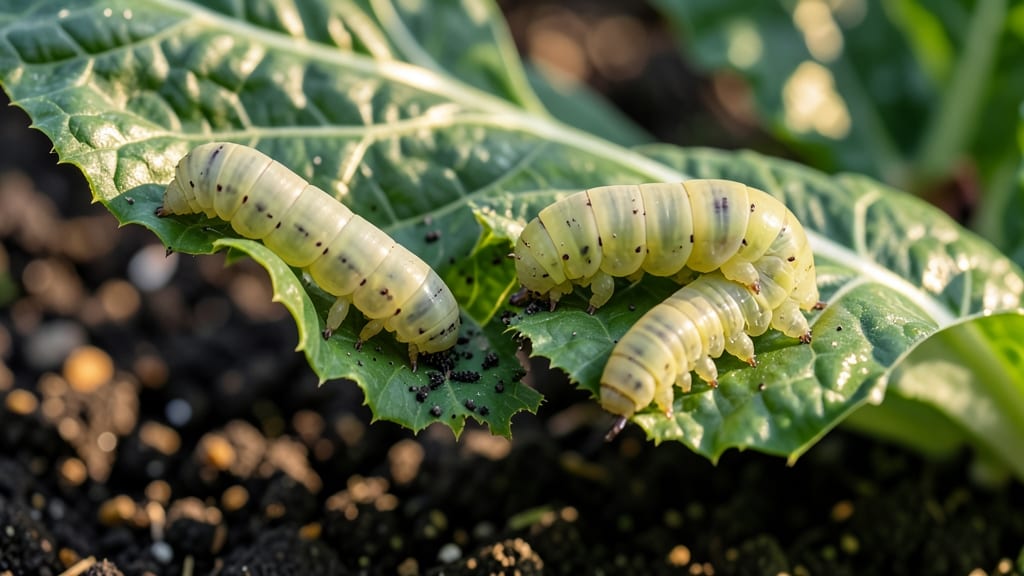
Your prized hostas and daylilies are being chewed into lace by leaf-eating worms—those slimy, black-and-yellow striped invaders that turn crispy edges into a sad, ragged mess. 🌿 I’ve battled them for years, and copper spray isn’t just a last resort—it’s the foolproof first line of defense when you spot the damage.
The moment you notice those telltale holes and silvery trails of frass (worm poop), act fast. Copper spray works by creating a barrier that disrupts their feeding, and it’s safer than many chemical options.
You’ll need 3 tablespoons of copper sulfate per gallon of water, applied at dusk when worms are most active. Reapply after rain, and you’ll see new growth pushing through within 7–10 days.
What you’re left with is plants that bounce back faster, with crispy, undamaged edges that make your garden look intentional again. The spray also deters future infestations, so you won’t have to repeat the process every week.
Just keep an eye out for those little pests creeping up from the soil.
For stubborn cases, combine copper spray with neem oil (1 teaspoon per quart of water) for extra protection. This combo works on roses, hydrangeas, and even vegetable leaves—anything with tender new growth that worms love. The key is consistency: worms are persistent, but so is copper’s effectiveness when applied correctly.
Prevention starts with healthy soil—worms target stressed plants. Mulch well, water deeply, and remove damaged leaves promptly. If you catch an infestation early, you might avoid needing spray altogether. Here’s how to keep your garden looking its best all season long.
Root Causes Of Leaf Devastation
When your prized plants start looking like they’ve been through a leaf-eating worm buffet, it’s often a sign of an underlying issue. Understanding why these pests target your greenery is the first step to reclaiming your garden’s health.
Below, we break down the most common culprits—from natural attractions to environmental triggers—that turn your leaves into a worm’s all-you-can-eat salad.
Worms and caterpillars have a knack for soft, easy targets. Overripe, yellowing, or diseased leaves are like neon signs screaming, “Eat me first!” Here’s why:
- Nutrient overload: Leaves with excess nitrogen (common in over-fertilized soil) become juicier and more appealing to pests. Think of it like a buffet table—too much sugar makes the food irresistible.
- Stress signals: Plants under stress (from drought, poor drainage, or root damage) produce volatile organic compounds (VOCs) that attract herbivores. It’s their way of saying, “I’m weak—come and take what you want.”
- Fungal or bacterial infections: Fungi like Botrytis (gray mold) or bacterial leaf spot create entry points for worms. The damaged tissue is easier to chew, and the pests often spread the infection further.
Actionable fix: Prune affected leaves immediately and apply copper spray to halt fungal growth. Balance your soil’s nitrogen levels—aim for a 3-1-2 NPK ratio (nitrogen-phosphorus-potassium) for stronger, less tempting foliage.
In a healthy ecosystem, worms and caterpillars are kept in check by birds, parasitic wasps, ladybugs, and other predators. But when these guardians vanish—due to pesticides, habitat loss, or urbanization—your plants become vulnerable.
- Pesticide overuse: Broad-spectrum insecticides wipe out both pests and their predators, creating a vacuum effect where worms thrive unchecked.
- Monoculture gardens: Planting the same species (like a row of hostas) removes biodiversity, making it easier for pests to find and feast without interference.
- Urban sprawl: Fewer trees and shrubs mean less shelter for predator insects, reducing their populations near your garden.
Actionable fix: Introduce beneficial insects like Trichogramma wasps (which parasitize caterpillars) or braconid wasps. Plant companion flowers (e.g., dill, fennel, or marigolds) to attract predator species. Avoid neonicotinoids—opt for targeted copper sprays instead.
Believe it or not, rain, humidity, and temperature play a huge role in worm outbreaks. These pests are often drawn to conditions that slow down their natural enemies or speed up their reproduction.
| Weather Factor | Why It Attracts Worms | Peak Risk Period |
|---|---|---|
| High humidity | Moist leaves provide cover and hydration for eggs and larvae. Fungal growth (which worms love) thrives in damp conditions. | Spring and fall (after rain) |
| Warm nights | Caterpillars and worm eggs hatch faster in temperatures above 60°F (15°C). Warmth also boosts plant sap flow, making leaves more nutritious. | Late spring to early summer |
| Drought stress | Plants under water stress produce more sugars in leaves to survive, making them sweeter and more attractive to herbivores. | Summer dry spells |
Actionable fix: Mulch heavily to regulate soil moisture (but avoid overwatering). Use row covers in early spring to block egg-laying moths. If drought is the issue, deep-water at dawn to reduce evaporation and fungal growth.
Some plants are magnets for leaf-eating pests because they’re native hosts for specific worms or caterpillars. Others thrive in gardens where pests can move freely between meals.
- Favorite worm buffet plants:
- Hostas (attracts nippon spanworm)
- Lilacs (targeted by lilac borers)
- Roses (loved by rose slugs)
- Coleus (a caterpillar favorite)
- Poor garden spacing: Crowded plants create shady, humid microclimates where worms hide and multiply. They also make it easier for pests to jump from plant to plant.
- No barriers: Without physical obstacles (like netting or copper tape), flying moths can lay eggs directly on your leaves.
Actionable fix: Replace high-risk plants with worm-resistant varieties (e.g., Hosta ‘Halcyon’ for slug resistance). Space plants 3–4 feet apart for airflow. Install floating row covers over young plants in spring. Wrap tree trunks with copper mesh to deter climbing pests.
Pro Tip: 🔍 Inspect new plants before bringing them home—many worm eggs are microscopic but visible with a magnifying glass. Quarantine new additions for 2 weeks to catch hitchhiking pests early.
Fixing Chewed-Up Leaves Fast
If your plants are looking like a salad bar for hungry pests, don’t panic—there’s a way to reclaim those crisp, healthy leaves! Below are targeted solutions for the most common causes of leaf damage, from quick fixes to long-term prevention. Let’s get your greenery back to its glory days.
Fix: Handpick + Spray Barrier
- 🔥 Spot and Squash Check leaves (especially undersides) for fuzzy caterpillars, loopers, or worm trails. Drop them into soapy water—no mercy!
- 🍳 Copper Spray Shield Mix copper fungicide spray (or DIY with 1 tsp copper sulfate + 1 gallon water) and apply to leaves at dusk (avoids burning plants). Reapply after rain.
- 👨🍳 Natural Deterrents
- Neem oil spray: 1 tbsp neem oil + 1 tsp dish soap + 1 quart water. Spray weekly.
- Diatomaceous earth (DE): Dust lightly around stems (reapply after watering).
💡 Pro Tip: Wrap tree trunks with copper tape to block climbing pests like tent caterpillars.
Fix: Traps + Barriers
- 🥘 Beer Trap Bury a shallow dish filled with beer near plants. Slugs crawl in and drown—easy cleanup!
- 🔪 Copper Barrier Install copper tape around pots or garden beds. Slugs get a mild shock and avoid crossing.
- ⏰ Hand Removal at Night Use a flashlight to spot them after dark and drop them in saltwater (humane but effective).
🌡️ Prevention: Water plants in the morning (slugs hate dry leaves).
Fix: Prune + Fungicide
- 🔪 Trim Infected Leaves Cut off yellow/brown spots with clean shears and dispose of them (don’t compost!).
- 💪 Copper-Based Fungicide Spray copper hydroxide (like Bonide Copper Fungicide) every 7–10 days until new growth appears.
- ✨ Improve Airflow Space plants 3–4 feet apart and prune dense branches to reduce humidity (fungi love dampness).
🎯 Long-Term Fix: Mulch with cedar chips (natural fungicide) instead of straw.
Fix: Adjust Care Routine
- 💧 Check Soil Moisture Stick your finger 1 inch deep—if damp, wait to water. Overwatering invites worms and rot.
- 🥗 Well-Draining Soil Amend clay soil with perlite or sand to prevent soggy roots.
- 🌧️ Water Deeply, Less Often Soak the root zone once a week (adjust for climate) instead of daily light sprinkles.
🔥 Emergency Fix: If roots smell rotten, repot in fresh soil and trim mushy roots with hydrogen peroxide (3%) to disinfect.
| Step | Action | Frequency |
|---|---|---|
| Inspect Leaves | Check undersides for eggs/worms weekly | Every 3–5 days |
| Copper Spray | Apply to new growth | Every 2–4 weeks |
| Mulch Right | Use wood chips (not fresh grass clippings) | Once at planting |
| Encourage Predators | Plant marigolds or dill to attract ladybugs | Seasonal |
| Clean Up Debris | Remove fallen leaves/pests | Weekly |
Final Thought: Most leaf-munching issues are preventable with copper sprays, smart watering, and vigilance. Start with one fix (like copper tape for slugs or neem oil for caterpillars), then expand your defense. Your plants will thank you with lush, worm-free foliage in no time! 🌿✨
Frequently asked questions
What are the most common types of leaf-eating worms in gardens?
You’ll most likely encounter cutworms (gray or black striped larvae), tent caterpillars (fuzzy green worms), slugs (slimy trails), and spanworms (black with yellow stripes). Each leaves distinct damage—cutworms sever stems at soil level, while caterpillars skeletonize leaves.
How do I tell if my plants are being attacked by worms vs. other pests?
Look for irregular holes (not clean edges like deer chew) and frass (tiny black worm poop). Slugs leave shiny trails, while caterpillars often hide under leaves during the day. Check leaf undersides for fuzzy eggs or tiny worms—this confirms leaf-eaters.
Is copper spray safe for all plants and pets?
Copper is generally safe for most plants when used as directed, but avoid spraying edible parts (like lettuce) within 24 hours of harvest. For pets, keep animals off treated areas until dry (usually 1–2 hours
Will copper spray work on worms hiding in the soil?
No—copper spray only protects above-ground foliage. For soil-dwelling pests like cutworms, use diatomaceous earth around plant bases or beneficial nematodes (microscopic worms that attack leaf-eaters). Apply nematodes at dusk when soil is moist.
How often should I reapply copper spray after rain?
Reapply copper spray within 24 hours after heavy rain or irrigation, as water washes it away. For best results, apply in the evening (when worms are active) every 7–10 days during peak pest seasons (spring and fall).