
Pests
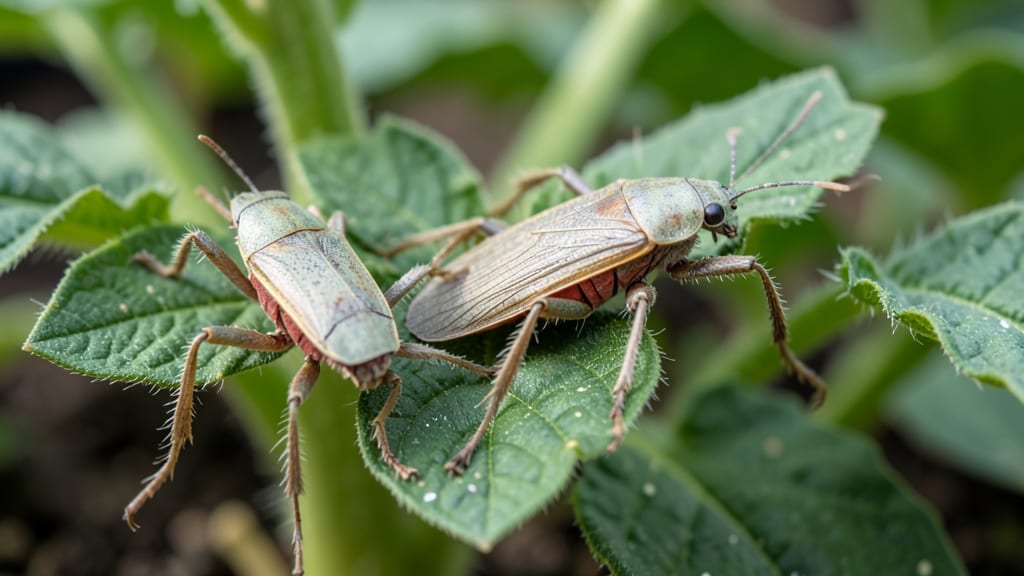
Leaf-footed bugs on tomato plants can turn your harvest into a battle zone—unless you act fast. 🌱 I’ve watched these sneaky pests drain tomatoes in days, leaving behind telltale speckled damage and a foul stench.
The good news? With the right traps and sprays, you can reclaim your plants before the infestation spirals out of control.
These bugs thrive in warm weather, sneaking in from weeds or nearby fields. You’ll spot them as small, wedge-shaped insects with distinctive red or black legs—often hiding under leaves or near fruit.
The damage? Tiny white specks on tomatoes, stunted growth, and a bitter taste that ruins your harvest. The key to stopping them is early detection and layered defense.
Start with yellow sticky traps to monitor their presence, then use organic sprays like neem oil or kaolin clay to deter them. Handpicking works too—just drop them into soapy water.
With consistent action, your tomatoes can bounce back to full, juicy health by midseason. The payoff? A garden that tastes as good as it looks.
Works for backyard gardens, containers, and even raised beds—just adjust trap placement based on your setup. Here’s how to turn the tide before they take over for good.
Root Causes of Tomato Pest Attacks
Leaf-footed bugs (LFB) don’t just randomly invade tomato plants—they’re drawn by a mix of environmental, biological, and agricultural factors. Understanding these triggers helps you disrupt their lifecycle before they become a full-blown infestation. Here’s why your tomatoes are turning into a bug buffet:
Leaf-footed bugs have a sharp sense of smell and are particularly attracted to fermenting sugars in overripe or injured tomatoes. When fruit softens or splits (often due to uneven watering, hail, or poor pollination), it releases volatile organic compounds (VOCs) that act like a dinner bell.
- Why it happens: Bugs use these VOCs to locate easy meals. A single puncture from a bird or hailstorm can trigger a feeding frenzy within hours.
- Actionable insight: Harvest tomatoes promptly when they reach peak ripeness and remove fallen fruit immediately to break the scent trail.
Tomato plants with crowded foliage provide ideal hiding spots for LFB nymphs and adults.
These bugs thrive in shaded, humid microclimates where they can: - Avoid predators (like birds or spiders). - Lay eggs undetected on stems or undersides of leaves. - Regurgitate digestive enzymes onto fruit, causing cat-facing scars (a classic LFB signature).
- Why it happens: Poor spacing (less than 18–24 inches between plants) mimics their natural habitat in dense underbrush.
- Actionable insight: Prune suckers aggressively and space plants to improve airflow. Use staking or cages to elevate foliage away from the soil.
Leaf-footed bugs are warm-season pests, and their populations explode when temperatures rise above 75°F (24°C).
Dry conditions also: - Stress tomato plants, making them more vulnerable to punctures. - Reduce natural predators like ground beetles and parasitic wasps. - Cause soil crusting, which traps nymphs near the plant base.
- Why it happens: Heat accelerates their metabolism, increasing feeding and egg-laying rates by 300% during peak summer months.
- Actionable insight: Mulch with straw or wood chips to retain moisture and attract beneficial insects. Water deeply in the early morning to deter bugs.
Growing only tomatoes (or other nightshades like peppers/eggplants) in a row creates a nutritional magnet for LFB. These bugs specialize in Solanaceae plants, and large patches signal abundance.
- Why it happens: Bugs use pheromone trails to locate food sources, and monocultures amplify the scent.
- Actionable insight: Interplant tomatoes with basil, marigolds, or nasturtiums to disrupt their navigation. Rotate crops yearly to break the cycle.
Tomatoes with nutrient deficiencies (especially potassium or nitrogen) produce thinner skins and weaker structural integrity. Leaf-footed bugs exploit this by:
- Puncturing fruit more easily.
- Injecting toxins that cause necrotic spots (brown, sunken lesions).
- Triggering secondary infections from bacteria/fungi entering wounds.
- Why it happens: Imbalanced soil pH (below 6.0) or compacted soil reduces root vigor, making plants more susceptible.
- Actionable insight: Test soil annually and amend with compost or aged manure. Side-dress with potassium-rich fertilizers (like greensand) mid-season.
In ecosystems with high biodiversity, predators like assassin bugs, lacewings, and parasitic wasps keep LFB populations in check.
But: - Pesticide use (even organic sprays) can kill these allies. - Urban/suburban gardens often lack native habitats for beneficial insects. - Monocultures reduce food sources for predators, forcing them to leave.
- Why it happens: A 30% drop in predator populations can lead to a 500% spike in LFB numbers within a season.
- Actionable insight: Install solar-powered bug zappers or birdhouses to attract insect-eating birds. Plant dill or fennel to lure predatory wasps.
LFB females lay clusters of 20–50 eggs on stems, leaf undersides, or even mulch. These eggs hatch in 7–10 days, releasing nymphs that immediately seek tomato fruit.
- Why it happens: Overwintering adults lay eggs in fall debris, and tilling soil can accidentally bury them, delaying their emergence until spring. - Actionable insight: Remove all plant residue after harvest and sanitize tools with 70% isopropyl alcohol to kill hidden eggs.
Use row covers in early spring to block egg-laying females.
Leaf-footed bugs rely on multiple cues to find tomatoes. By addressing two or more causes simultaneously, you create a hostile environment:
- Prune + Mulch (reduces shelter + moisture stress).
- Interplant + Rotate (disrupts scent trails + breaks cycles).
- Attract Predators + Remove Debris (balances the ecosystem).
The key is consistency—LFBs don’t give up easily, but a multi-pronged approach forces them to move on. 🚫🐞
How to Fix Leaf-Footed Bug Damage
Now that you know why leaf-footed bugs are wreaking havoc on your tomato plants, it’s time to take action! These pests may be sneaky, but with the right strategies, you can protect your harvest.
Below are practical, organic solutions tailored to the root causes of infestations—from early detection to long-term prevention.
Best for: Small infestations or early signs of damage. Leaf-footed bugs are slow-moving when disturbed, making them easy to spot and remove.
- 👨🍳 Morning Patrol: Check plants in the early morning when bugs are sluggish. Wear gloves and drop them into soapy water (they’ll drown instantly). - 🍳 Yellow Sticky Traps: Place yellow sticky cards near tomato plants—these bugs are attracted to bright colors.
Replace traps weekly. - 🥘 Beer Traps (Yes, Really!): - Fill a shallow dish with beer. - Bury it slightly into the soil near plants. - The bugs are drawn in and drown.
✨ Pro Tip: Focus on undersides of leaves and fruit clusters—these are their favorite hiding spots!
Best for: Moderate infestations or when handpicking isn’t enough. Avoid harsh chemicals—these natural sprays disrupt their life cycle without harming your plants (or you!).
| Spray Solution | How to Use | When to Apply |
|---|---|---|
| Neem Oil | Mix 1 tsp neem oil + 1 tsp mild soap + 1 quart water. Spray evenly on leaves and stems. | Evening or early morning (avoid direct sun). Repeat every 5–7 days. |
| Insecticidal Soap | Use a store-bought or homemade spray (1 tbsp castile soap + 1 quart water). Spray directly on bugs. | When bugs are active (early morning). Reapply after rain. |
| Garlic Pepper Spray | Blend 4 garlic cloves + 1 tsp cayenne pepper + 1 quart water. Strain and spray. | Weekly until infestation clears. |
| Kaolin Clay | Mix 1 cup kaolin clay + 1 gallon water. Spray to create a protective barrier. | Before bugs appear (preventative). |
💡 Pro Tip: Rotate sprays every few days to prevent resistance. Always test sprays on a small leaf first to avoid damage.
Best for: Preventing future infestations or large-scale protection. Sometimes, keeping bugs out is easier than killing them!
- 🔪 Row Covers: Use fine mesh netting over young tomato plants to block adults from laying eggs. - 🌡️ Mulch Strategically: Apply straw or grass clippings around plants—this disrupts egg-laying and makes it harder for bugs to hide. - 🎯 Remove Debris: Clear weeds, fallen leaves, and old plant matter from your garden.
Bugs love to overwinter in these spots! - 🌿 Companion Planting: Interplant tomatoes with basil, marigolds, or onions—these repel leaf-footed bugs naturally.
✨ Pro Tip: Prune lower leaves regularly to reduce hiding spots and improve airflow (bugs hate dry conditions!).
Best for: Heavy damage or when organic methods fail. If your tomatoes are covered in holes and sprays aren’t working, try these last-resort organic options:
- 🔪 Beneficial Nematodes:
- Apply Heterorhabditis bacteriophora to the soil.
- These microscopic worms kill bug larvae without harming plants.
- Best used in late summer when larvae are active.
- 🌿 Diatomaceous Earth (DE):
- Sprinkle food-grade DE around plant bases and on leaves.
- It dehydrates bugs on contact but is safe once wet.
- Reapply after rain.
- 🍳 Pyrethrin Spray (Natural Pesticide):
- Made from chrysanthemum flowers, this knocks out bugs instantly.
- Use sparingly—it breaks down quickly in sunlight.
💡 Pro Tip: If using chemical controls, harvest tomatoes immediately before spraying to avoid residue.
The key to permanent control is disrupting their life cycle. Here’s how:
- 🔥 Monitor Eggs: Check undersides of leaves for small white oval eggs.
Scrape them off with a fingernail or soapy water. - 🌡️ Rotate Crops: Avoid planting tomatoes in the same spot yearly—bugs return to familiar areas. - 🌿 Early Harvest: Pick tomatoes before they ripen if bugs are severe.
Green tomatoes can finish ripening indoors. - 🎯 Garden Hygiene: Clean up thoroughly in fall—remove all plant debris to starve overwintering bugs.
Final Thought: Leaf-footed bugs are a nuisance, but with consistent action, you can save your tomato crop—and maybe even enjoy a pest-free harvest next season! 🍅💪
Frequently asked questions
What do leaf-footed bug eggs look like on tomato plants?
Look for small, white oval eggs about 1/16-inch long, often clustered on the undersides of leaves or stems. They’re usually laid in groups of 20-50 and may appear slightly flattened. Check young leaves first—they’re prime egg-laying spots!
Will leaf-footed bugs kill my tomato plants?
While they won’t kill healthy plants outright, they can cause severe damage by injecting toxins that create necrotic spots and cat-facing scars on fruit. Heavy infestations may stunt growth, but the real risk is reduced yield quality—bugs make tomatoes inedible through their feeding patterns.
How long does it take for neem oil to work on leaf-footed bugs?
Neem oil works within 24-48 hours for direct contact kills, but its real power comes from disrupting their life cycle. For best results, apply it every 5-7 days during active infestations. Always spray in the evening to avoid leaf burn from sunlight.
Can I still eat tomatoes with leaf-footed bug damage?
Yes, but with caution! Remove all punctured areas (at least 1/2-inch around each hole) and cook thoroughly to kill any bacteria. The cat-facing scars are primarily cosmetic, but heavily damaged tomatoes may have a bitter taste. For severe cases, harvest green tomatoes and ripen indoors.
Why do leaf-footed bugs appear suddenly in my garden?
These bugs often arrive via wind or hitchhiking on plants, weeds, or even garden tools. They thrive in warm weather above 75°F (24°C) and are drawn to fermenting fruit. Sudden appearances usually mean they’ve found your tomatoes through scent trails from nearby plants.