
Pests
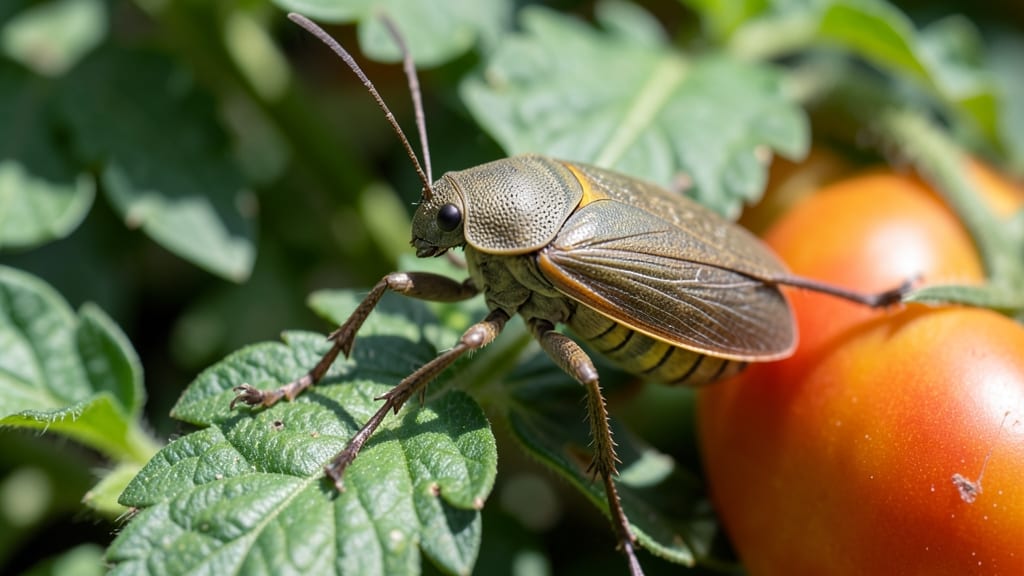
The moment you spot tiny black bugs with red legs on your tomato leaves, your harvest is under attack. 🌱 Leaf-footed bugs don’t just nibble—they inject toxins that cause fruit to scar and rot.
I’ve battled these pests in my backyard garden, and I’ll show you how to stop them without harsh chemicals.
These sneaky insects thrive in warm weather and hide under leaves during the day. The damage starts with small holes in leaves, then moves to your tomatoes, leaving unsightly scars. My first season, I lost half my crop before realizing the problem—don’t let that happen to you.
With the right traps, sprays, and preventive steps, you can protect your plants naturally. Neem oil disrupts their lifecycle, while companion plants like basil repel them. I’ve even used simple homemade sprays that work just as well as store-bought options.
Whether you’re growing in raised beds or containers, these methods adapt easily. The key is acting fast—once they’re established, they’re harder to control. Let’s get your tomatoes back on track!
Root Causes of Tomato Pests
Leaf-footed bugs (LFB) don’t just randomly appear on your tomato plants—they’re drawn there by a mix of environmental, plant-based, and behavioral factors. Understanding these triggers helps you disrupt their life cycle and protect your harvest before they strike. Let’s break down the key reasons these pests target your tomatoes.
Tomatoes are like all-you-can-eat buffets for leaf-footed bugs, thanks to their sweet, juicy fruit and nutrient-rich foliage. These pests are particularly drawn to:
- Ripe or nearly ripe tomatoes: The sugars and soft tissue make them easy targets. Bugs use their piercing-sucking mouthparts to feed on the fruit, causing cat-facing (sunken, scarred wounds) and internal damage.
- Volatile organic compounds (VOCs): Tomatoes emit chemical signals (like green leaf volatiles) that bugs detect from up to 30 feet away. These scents act like dinner bells, guiding them straight to your garden.
- Weak or stressed plants: Overwatered, under-watered, or nutrient-deficient tomatoes release even more distress signals, making them high-priority prey. 💡 Pro Tip: Healthy plants with balanced nitrogen/phosphorus levels repel pests better.
Leaf-footed bugs thrive when your garden mimics their natural habitat—warm, humid, and sheltered. Key environmental triggers include:
| Factor | Why It Attracts Bugs | Actionable Fix |
|---|---|---|
| 🌡️ Warm Temperatures (75–90°F) | LFBs are most active in heat. They seek out sun-warmed tomatoes, which soften their skin and make feeding easier. | Use shade cloth over plants during peak heat (11 AM–3 PM) to reduce attractiveness. |
| 💧 High Humidity | Moisture slows down natural predators (like birds and parasitic wasps) and keeps bugs hydrated. They also lay eggs in damp soil near plants. | Improve airflow with pruning and drip irrigation (avoid overhead watering). |
| 🌿 Dense Plantings | Tightly packed tomatoes create microclimates that trap heat and humidity, making them bug magnets. Bugs hide in foliage during the day and feed at night. | Space plants 18–24 inches apart and thin suckers to reduce hiding spots. |
Leaf-footed bugs time their attacks with your tomato’s growth stages. Here’s how their life cycle aligns with your plants:
- Adults emerge in early summer: They overwinter in leaf litter or mulch, then seek out blooming or fruiting tomatoes as their first food source. Peak feeding occurs when tomatoes turn pink/red.
- Eggs laid in clusters: Females deposit 20–50 eggs on the undersides of leaves or in cracks of stems. These hatch in 5–10 days, releasing nymphs that immediately target nearby fruit.
- Multiple generations per season: In warm climates, LFBs can complete 2–3 life cycles in a single growing season, leading to exponential infestations if unchecked.
🔍 Pro Tip: Check for white, rectangular eggs on leaf undersides in June–July. Early detection = fewer bugs later!
By addressing these root causes—plant attractiveness, environmental conditions, and bug life cycles—you can make your tomatoes less inviting and disrupt the pests’ plans before they ruin your harvest. Next, we’ll explore how to turn the tables with traps and sprays that work with nature, not against it.
Natural Fixes for Tomato Pests
Got leaf-footed bugs wreaking havoc on your tomato plants? Don’t panic—there are effective, eco-friendly ways to tackle these pests and protect your harvest. Below, we’ll break down targeted solutions based on the root cause, from simple traps to organic sprays.
Plus, we’ll share prevention tips to keep your garden bug-free long-term.
Before diving into fixes, confirm you’re dealing with leaf-footed bugs (not aphids or stink bugs). Look for:
- Distinctive red "feet" on the bugs.
- Speckled damage on tomatoes (tiny white spots).
- Sticky residue (honeydew) on leaves.
🌿 1. Physical Barriers & Traps (Early Intervention)
If you catch the issue early, physical methods can stop bugs in their tracks.
🔥 H3: Row Covers for Young Plants
- How it works: Lightweight fabric barriers block bugs before they lay eggs.
- Steps:
- Install floating row covers over tomato seedlings when planting.
- Secure edges with soil or bricks to prevent gaps.
- Remove covers before flowering (to allow pollination).
- Pro tip: 💡 Use fine mesh (1mm or smaller)—leaf-footed bugs can squeeze through larger holes!
🍳 H3: DIY Beer Traps (Adult Bugs)
- How it works: Bugs are attracted to yeast and drown in the liquid.
- Steps:
- Fill a shallow dish with beer or apple cider vinegar.
- Bury the dish near tomato plants (so the rim is at soil level).
- Refresh every 2–3 days.
- Pro tip: 🌡️ Add a drop of dish soap to break surface tension—bugs won’t escape!
💦 2. Organic Sprays (For Active Infestations)
When bugs are already feasting, these non-toxic sprays disrupt their life cycle.
👨🍳 H3: Neem Oil Spray (Eggs & Adults)
- Why it works: Neem oil smothers eggs and repels adults with its bitter taste.
- Recipe:
- Mix 1 tbsp neem oil + 1 tsp mild soap + 1 quart water.
- Spray directly on leaves (especially undersides) every 5–7 days.
- Pro tip: 🎯 Best used at dusk—avoids harming bees and reduces sunburn risk on plants.
🥘 H3: Soap Spray (Quick Knockdown)
- Why it works: A potassium-based soap dissolves bug exoskeletons.
- Recipe:
- Combine 2 tbsp liquid castile soap + 1 quart water.
- Spray until leaves glisten (focus on damaged areas).
- Reapply every 3–4 days for severe infestations.
- ⚠️ Warning: Avoid harsh detergents—they can burn plants!
🔪 H3: Beneficial Nematodes (Larvae Control)
- Why it works: Microscopic worms paralyze and kill leaf-footed bug larvae in the soil.
- How to apply:
- Water plants thoroughly the day before.
- Mix 1–2 lbs of nematodes per 100 sq ft with water.
- Apply at dusk with a watering can (keep soil moist for 7–10 days).
- Pro tip: ✨ Works best in warm soil (60°F+)—wait until nighttime temps are stable.
🌱 3. Cultural & Preventive Measures (Long-Term Defense)
Stop bugs before they start with these low-effort habits.
⏰ H3: Timing Your Planting
- Why it helps: Leaf-footed bugs peak in late summer—plant early varieties (like ‘Early Girl’) to harvest before they arrive.
- Alternative: Grow fast-maturing tomatoes (e.g., ‘Cherry Tomatoes’) for quicker yields.
🌿 H3: Companion Planting
- Bug-repelling plants confuse leaf-footed bugs:
- Basil, marigolds, or nasturtiums near tomatoes.
- Garlic or onions (their scent masks tomato attractants).
- Pro tip: 💡 Interplant flowers to lure predatory wasps—natural bug hunters!
🧹 H3: Cleanup & Rotation
- Remove debris (fallen leaves, old plants) where bugs hide.
- Rotate crops yearly—leaf-footed bugs target the same spots if given the chance.
| Task | How Often | Why It Works |
|---|---|---|
| Inspect plants weekly | Every 3–5 days | Catches eggs/bugs before they spread. |
| Prune damaged leaves | As needed | Reduces hiding spots for pests. |
| Mulch with straw | Once at planting | Discourages bugs from crawling up stems. |
| Handpick adults | Daily (if few) | Removes them before they lay eggs. |
Final Note: Consistency is key! Combine traps, sprays, and prevention for the best results. With these methods, your tomatoes will stay pest-free and delicious—no chemicals required! 🍅💚
Frequently asked questions about leaf-footed bugs on tomatoes
How can I tell if my tomato plants have leaf-footed bugs vs. other pests?
Look for tiny black bugs with bright red legs—that’s the dead giveaway! They leave speckled damage on leaves and cat-facing scars (sunken wounds) on tomatoes. Unlike aphids, they don’t leave sticky honeydew. Check leaf undersides for white, rectangular egg clusters too.
Will neem oil really work on leaf-footed bug eggs?
Yes! Neem oil smothers eggs and disrupts their life cycle. Mix 1 tbsp neem oil + 1 tsp mild soap + 1 quart water, then spray directly on leaf undersides every 5–7 days. Apply at dusk to avoid harming bees and reduce sunburn risk on plants.
Can I use beer traps for leaf-footed bugs like I would for slugs?
Fill a shallow dish with beer or apple cider vinegar and bury it near tomato plants. The yeast attracts bugs, and they drown in the liquid. Refresh every 2–3 days and add a drop of dish soap to break surface tension—keeps them from escaping!
How soon will I see results from organic sprays?
With consistent use, you’ll notice a difference in 7–10 days. Soap sprays work fastest (knockdown effect), while neem oil takes longer to disrupt the life cycle. For best results, combine sprays with traps and companion planting—this multi-pronged approach stops bugs before they multiply.
Are leaf-footed bugs harmful if I eat tomatoes they’ve damaged?
No, they’re not toxic! The damage is purely cosmetic—they don’t inject venom like some pests. However, severely scarred tomatoes may have reduced shelf life. Focus on preventing infestations to keep your harvest looking (and tasting) perfect!