
Container Gardens
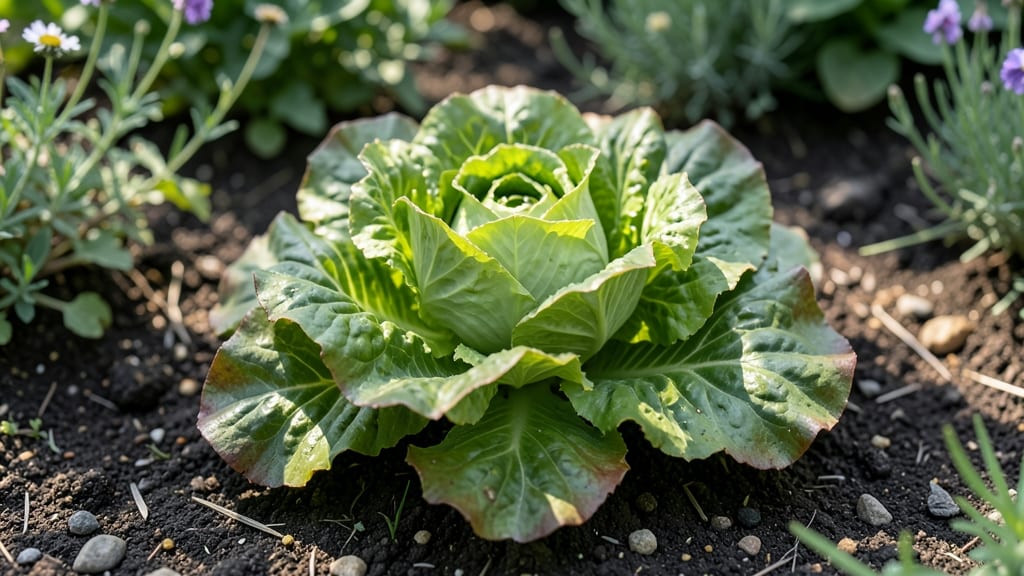
Growing leaf lettuce in containers with these leaf lettuce growing tips feels like cheating—crisp, tender leaves in just 3-4 weeks without bolting. 🌱 The secret isn’t fancy equipment but timing, shade, and a little patience.
My first container harvest last spring gave me enough salad greens to share with neighbors, and I had barely spent $10 total.
Start with loose, well-draining soil (no compost-heavy mixes) in containers at least 6 inches deep. Seeds sprout in 5-10 days under bright light, but transplants save time.
Keep them in partial shade during hot afternoons—they bolt faster than you’d think. Water at the soil level, never overhead, to avoid fungal issues.
By week 3, you’ll have enough leaves to harvest. Snip outer leaves first, leaving the center to regrow. The flavor? Sweet, crisp, and shockingly fresh—nothing like store-bought. Even my black thumb can’t kill these if I keep them cool and moist.
Works for balconies, windowsills, or patios. The same method prevents bolting in summer heat. Here’s how to keep them producing all season long.
📚 In This Guide
- What you need
- Instructions
- Tips and common mistakes
- Wrapping up and next steps
What you need
- ● Seeds: Leaf lettuce varieties (e.g., Buttercrunch, Black Seeded Simpson, or Oakleaf). Aim for 2–3 seeds per container (thin to 1 plant later).
- ● Containers: Minimum 6-inch diameter (deeper for loose-leaf varieties like 8–12 inches).
- ● Drainage holes are a must—no soggy roots!
- ● Material: Plastic, fabric grow bags, or ceramic (avoid untreated wood without lining).
- ● Growing Medium: Potting mix: Lightweight, well-draining blend (e.g., 60% peat/compost + 40% perlite/sand).
- ○ Optional: Add 1–2 tbsp of compost or worm castings per container for nutrients.
- ● Watering Supplies: Watering can with a fine rose nozzle (or spray bottle for seedlings).
- ○ Drip irrigation kit (optional, for consistent moisture).
- ● Fertilizer: Balanced liquid fertilizer (5-5-5 or 10-10-10, diluted to half-strength).
- ● Slow-release granules (e.g., osmocote) mixed into soil at planting.
- ● Shade cloth: 30–50% coverage to protect from hot afternoon sun (prevents bolting!).
- ● Row covers: Lightweight fabric to deter pests like aphids or cabbage moths.
- ● pH test kit: Ideal soil pH for lettuce: 6.0–7.0 (adjust with lime or sulfur if needed).
- ● Seedling heat mat: For starting seeds indoors (70–75°F for germination).
- ● Container trays or saucers: To catch excess water and keep roots dry.
Step-by-Step instructions for growing crisp leaf lettuce in containers
Here’s how I grow tender, bolt-resistant leaf lettuce that stays crisp for weeks—no fancy equipment needed.
🌱 Step 1: Choose the Right Containers and Soil Mix
Lettuce thrives in shallow 5-6 inch deep containers with drainage holes. I use 8-inch-wide pots for each plant (or cluster 2-3 seedlings in a 12-inch container) to prevent overcrowding. Fill with a lightweight potting mix—never garden soil, which compacts and suffocates roots.
Add a 1-inch layer of perlite or vermiculite at the bottom to improve drainage. Lettuce roots need air, not soggy conditions. Mix in a slow-release organic fertilizer (like 5-5-5) at planting to avoid nitrogen spikes that trigger bolting. The soil should feel like a damp sponge when squeezed—if it crumbles, add water.
☀️ Step 2: Plant in Partial Shade and Keep Soil Moist
Lettuce bolts (goes to seed) when stressed by heat or dry soil. Place containers in partial shade (morning sun, afternoon shade) or under 50% shade cloth during summer. In cooler months, 4-6 hours of direct sun is ideal. I test light by touching leaves—if they feel warm, move the pot to shadier spot.
Water daily in hot weather, keeping the top 1 inch of soil consistently moist. Use a watering can with a fine rose to avoid dislodging seedlings. Mulch with ½ inch of straw to retain moisture and block heat from reaching the soil. Overhead watering can spread disease, so water at the base instead.
🌿 Step 3: Thin and Harvest Strategically for Continuous Growth
When seedlings reach 2 inches tall, thin to the strongest plant per pot, snipping weaker stems at the base. This prevents competition and encourages larger leaves. Lettuce grows best when harvested outer leaves first—never take more than ⅓ of the plant at once. Use clean scissors to avoid tearing.
Harvest in the morning when leaves are crispest. If outer leaves yellow, they’re past their prime—remove them to redirect energy to new growth. Regular harvesting tricks lettuce into producing more tender leaves instead of bolting. I harvest mine every 3-4 days for a steady supply.
✂️ Step 4: Extend the Season with Simple Tricks
To delay bolting in summer, shade cloth is your best friend. A 30% shade cloth reduces heat stress while still allowing light. In winter, protect containers with frost blankets on cold nights—lettuce can tolerate 20°F but not freezing soil. I also rotate pots weekly to ensure even sun exposure and prevent leggy growth.
Fertilize lightly every 3 weeks with fish emulsion (diluted to half strength). Too much nitrogen causes rapid growth that leads to bitter leaves. Watch for aphids on undersides—spray with neem oil if you spot them. Aphids drain energy and stress plants, speeding up bolting.
⏰ Step 5: Know When to Replace or Renew Plants
Lettuce’s flavor and texture decline after 6-8 weeks of harvests. When leaves taste bitter or grow tough, it’s time to pull and replace the plant. Succession plant every 2 weeks for a continuous supply. I save seeds from bolted plants (if they’re varieties I like) by letting 1-2 plants go to flower and drying the seed heads.
Before replanting, sterilize containers with a 10% bleach solution (1 part bleach to 9 parts water) to prevent disease buildup. Rinse thoroughly. Lettuce is sensitive to soil-borne pathogens, so fresh, clean pots make all the difference. With this method, I’ve grown crisp lettuce year-round—even in summer heat.
Tips & tricks for perfect container-grown leaf lettuce
Here's what nobody tells you about keeping your leaf lettuce crisp and bolt-free—these are the details that make all the difference.
Container Depth Matters: The 5-6 inch depth recommendation isn't arbitrary—it matches lettuce's shallow root system. Deeper containers (like 8-inch pots) actually trap excess moisture, which can rot roots. If you're using larger containers for multiple plants, space them at least 6 inches apart to prevent competition for nutrients and water. I've seen lettuce grow twice as fast when properly spaced in the right-sized containers.
Soil Moisture Secret: That "damp sponge" test in Step 1 is critical—lettuce roots need consistent moisture but hate soggy conditions. I use a simple trick: stick your finger 1 inch into the soil (the same depth we're keeping moist). If it feels dry, water immediately. If it's sticky, hold off until the next check. Overwatering is the #1 cause of bolting in containers, even more than heat stress.
Light Management Hack: The 4-6 hours of direct sun in cooler months is your sweet spot—any more and you risk bolting. In summer, that 50% shade cloth isn't just about heat—it's about light intensity. I've found that moving containers to different light spots throughout the day (like rotating them weekly) helps prevent leggy growth. Think of it like giving your lettuce a mini vacation from intense afternoon sun.
Harvest Timing Strategy: Those 3-4 day harvest intervals might seem frequent, but they're what keep lettuce tender. Here's my pro move: harvest the largest outer leaves first, leaving the smaller inner leaves to grow. This mimics natural growth patterns and prevents the plant from getting stressed. I always harvest in the morning when leaves are at their crispest—this is when they're packed with the most nutrients too.
Pro Tips for Leaf Lettuce Growing Tips
- Here's what nobody tells you about keeping your leaf lettuce crisp and bolt-free—these are the details that make all the difference.
- Container Depth Matters: The 5-6 inch depth recommendation isn't arbitrary—it matches lettuce's shallow root system.
- Soil Moisture Secret: That "damp sponge" test in Step 1 is critical—lettuce roots need consistent moisture but hate soggy conditions.
Frequently asked questions
Got questions about growing leaf lettuce?
You’re not alone! Here are answers to the most common queries to help you grow crisp, delicious greens—even in containers.
How long does it take to grow leaf lettuce from seed?
Leaf lettuce is one of the fastest-growing greens! With proper care, you can harvest baby leaves in 3–4 weeks and full-sized leaves in 4–6 weeks. For continuous harvests, sow seeds every 2–3 weeks—just keep them shaded if temperatures rise above 75°F (24°C) to prevent bolting.
Why is my leaf lettuce turning bitter or bolted?
Bitter taste or premature bolting (sending up a flower stalk) usually happens due to heat stress or long daylight. To fix it:
- Provide partial shade (use shade cloth or dappled sunlight).
- Avoid planting in hot summer months—opt for cool-season varieties like ‘Black Seeded Simpson’ or ‘Salad Bowl.’
- Harvest outer leaves first to encourage regrowth instead of letting the plant mature.
How often should I water leaf lettuce in containers?
Leaf lettuce loves consistent moisture but hates soggy roots. Water when the top inch of soil feels dry—typically every 1–2 days in containers, depending on heat and humidity. Use a drip irrigation system or water at the base to avoid wetting leaves (which can cause disease). Mulch with straw to retain moisture.
Can I grow leaf lettuce indoors without sunlight?
Leaf lettuce thrives indoors with 6–8 hours of artificial light daily. Use a grow light (LED or fluorescent) 6 inches above the plants. Choose compact varieties like ‘Little Gem’ or ‘Oakleaf’ for containers. Keep temps between 60–65°F (15–18°C) and harvest leaves as needed—no need to wait for full maturity!
What can I plant with leaf lettuce to deter pests?
Leaf lettuce benefits from companion planting to repel pests like aphids and slugs. Try pairing it with:
- Chives or garlic (deter slugs and aphids).
- Radishes (their quick growth shades soil, reducing weeds).
- Marigolds (natural pest repellent).
Wrapping up and next steps
Growing leaf lettuce in containers is a rewarding journey that yields fresh, crisp greens right at your fingertips! 🌱 With the right light, soil, water, and care, you’ll enjoy a steady harvest of tender leaves—even in small spaces. Remember, consistency is key, so stay patient and adapt as needed.
Ready to dive in? Start small with a single container—pick your favorite variety, gather your supplies, and begin your leafy adventure today! Whether you’re a beginner or a seasoned gardener, every bite of homegrown lettuce will taste like success. 🍃