
Planting
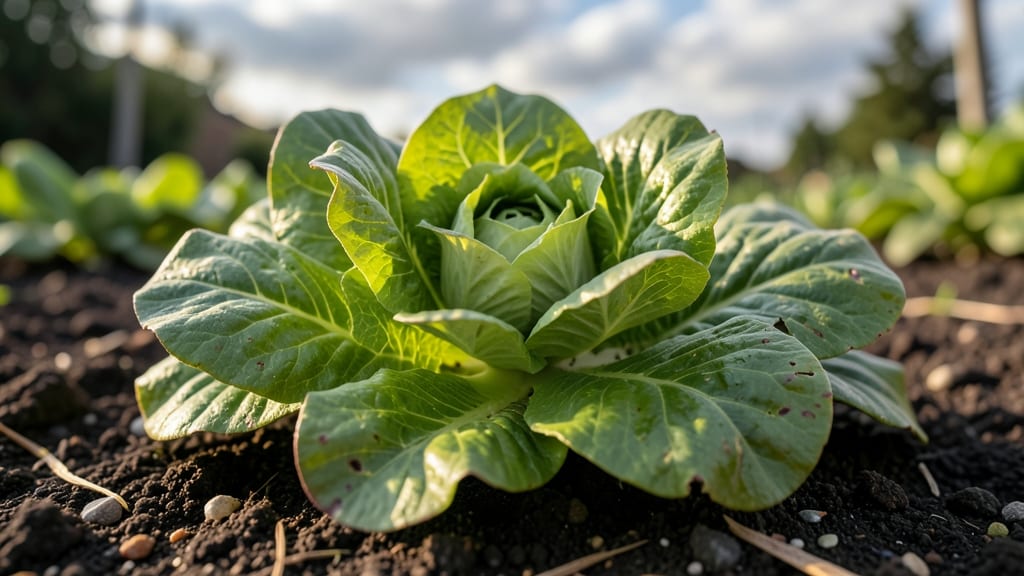
Growing the leaf lettuce plant from seed means crispy, crunchy salads in just 3-4 weeks—no waiting months for harvests like with head lettuce. 🌱 I’ve learned the hard way that fast growth starts with the right soil, spacing, and a little shade trick to prevent bolting.
The secret to those perfect leaves? Loose, well-draining soil packed with compost, seeds planted ¼-inch deep and just 1-inch apart. Thin seedlings to 4-6 inches apart once they sprout—crowding turns leaves bitter. Water gently at the base to keep foliage dry (wet leaves attract pests).
By week 3, you’ll be harvesting outer leaves while the plant keeps growing, giving you a continuous supply all season. The key is consistency: keep soil moist but never soggy, and provide afternoon shade in hot climates to slow bolting.
Works in containers, raised beds, or in-ground plots—just avoid heavy clay soil. Here’s how to nail it every time!
📚 In This Guide
- What you need
- Instructions
- Tips and common mistakes
- Wrapping up and next steps
What you need
- ● Leaf Lettuce Seeds: Choose fast-maturing varieties like Black Seeded Simpson or Buttercrunch (1–2 packets, ~50–100 seeds).
- ● Growing Containers: Potatoes or deep planters (6–12 inches deep, with drainage holes).
- ● OR a raised bed (12+ inches deep, if gardening outdoors).
- ● Potting Mix: Lightweight, well-draining soil blend (5–10 gallons, sterilized to prevent pests).
- ● Watering Can or Spray Bottle: Fine-mist nozzle for gentle watering.
- ● Fertilizer: Balanced, water-soluble fertilizer (e.g., 10-10-10, 1 tbsp per gallon of water).
- ● Grow Lights (Indoor Only):strong> LED full-spectrum bulb (12–16 hours/day, 6–12 inches above plants).
- ● Hand Trowel: For transplanting seedlings (small, 4–6 inch blade).
- ● Gloves: Gardening gloves to protect hands from soil.
- ● Mulch: Straw or shredded leaves (1–2 inches thick) to retain moisture.
- ● Plant Markers: Labels or popsicle sticks to track varieties.
- ○ Seedling Trays (Optional): If starting indoors (50+ cell trays).
- ○ Compost Tea (Optional): Boosts soil health (1 cup per gallon of water).
Step-by-step instructions for growing leaf lettuce
Here's how I grow leaf lettuce that stays crisp and crunchy—no bitter bolting, no floppy leaves.
🌱 Step 1: Choose the Right Variety and Planting Time
Leaf lettuce thrives in cool weather, so I plant varieties like 'Black Seeded Simpson' or 'Oakleaf' 4-6 weeks before your last frost date in spring or 60 days before the first hard frost in fall. These varieties resist bolting—the sudden flowering that turns leaves bitter—even when temperatures hover around 70°F. Avoid planting in summer heat unless you use shade cloth.
I always check the seed packet for days to maturity. For leaf lettuce, you're looking at 30-45 days to harvest, so plan accordingly. If you're growing in containers, smaller varieties like 'Salad Bowl' mature faster and stay compact. This ensures you get crisp leaves without waiting months for a full head.
🪴 Step 2: Prepare the Soil and Plant Seeds Correctly
Leaf lettuce prefers well-draining soil rich in organic matter. I mix 2-3 inches of compost into the top 6 inches of soil before planting. The goal is loose, fertile soil that holds moisture but doesn’t compact around delicate roots. If your soil is heavy clay, amend it with sand or perlite to improve drainage—lettuce roots rot quickly in soggy conditions.
Sow seeds ¼ inch deep in rows spaced 12-18 inches apart. I use a seed tape or sprinkle seeds in a straight line for easier thinning. Space individual plants 6-8 inches apart to give them room to spread. Water gently after planting to settle the soil without disturbing the seeds. Overwatering now can bury them too deep, delaying germination.
☀️ Step 3: Maintain Consistent Moisture and Light
Leaf lettuce needs consistent moisture to stay crisp. I water once daily in the morning, keeping the soil evenly damp but not waterlogged. A 1-inch layer of mulch helps retain moisture and keeps leaves clean. Avoid overhead watering—wet foliage invites fungal diseases like downy mildew, which turns leaves yellow and slimy.
Provide partial shade during the hottest part of the day if temperatures rise above 80°F. A 30-50% shade cloth works well. Without shade, leaves bolt quickly, turning bitter and tough. You’ll know your lettuce is happy when the leaves stay deep green, crisp, and upright. If they wilt or yellow, it’s a sign of either too much sun or inconsistent watering.
✂️ Step 4: Harvest Strategically for Continuous Production
Start harvesting outer leaves when they reach 3-4 inches long, using clean scissors or a sharp knife. Cut just above the soil line or a leaf base to encourage regrowth. This method, called cut-and-come-again, gives you multiple harvests over 4-6 weeks. I always harvest in the morning when leaves are at their crispest.
If you let the plant grow too tall, it’ll bolt—you’ll see a tall stalk shooting up from the center. To prevent this, keep harvesting outer leaves and avoid letting the plant go to seed. For a final harvest, cut the entire plant at the base when leaves are still tender. Store harvested leaves in a plastic bag in the fridge for up to 5 days to maintain crispness.
🌿 Step 5: Extend the Season with Successive Plantings
For a continuous supply, I make successive plantings every 2 weeks in spring and fall. This ensures you always have fresh, crisp lettuce without a long wait. In containers, you can even grow lettuce through mild winters by bringing pots indoors near a south-facing window or under grow lights for 12-14 hours daily. Just reduce watering slightly to prevent over-saturation in cooler conditions.
If you’re growing in the ground, mark planting dates on a calendar. In warm climates, use shade cloth to protect seedlings from intense midday sun. With these steps, you’ll enjoy crisp, crunchy lettuce straight from your garden for months—no bolting, no bitterness, just fresh leaves ready for salads.
Tips & tricks for perfect leaf lettuce growth
Here's what I learned after growing leaf lettuce for years—these tricks ensure your harvest stays crisp and crunchy without the common pitfalls.
Variety Selection: The 30-45 day maturity window for leaf lettuce is why I always choose bolt-resistant varieties like 'Black Seeded Simpson' or 'Oakleaf'. These varieties maintain their tender texture even when temperatures flirt with 70°F—just don't push it beyond that. For containers, 'Salad Bowl' grows faster and stays compact, giving you harvestable leaves in as little as 25 days under ideal conditions. The key difference? These varieties prioritize leaf production over flowering, which keeps your harvest sweet and crisp.
Soil Preparation: That 2-3 inches of compost in the top 6 inches of soil isn't just about nutrients—it's about creating the perfect air-water balance. I've ruined batches by planting in heavy clay without amending it. For clay soil, mix in sand or perlite to prevent root rot, which is especially critical for leaf lettuce's shallow root system. Pro tip: Test your soil's moisture by squeezing a handful—it should hold together but not drip water when you release it.
Harvest Timing: Those 3-4 inch leaves are the sweet spot for maximum crispness. I harvest in the morning when leaves are at their peak moisture content. If you wait until afternoon, they'll wilt slightly even in the fridge. For continuous production, I cut outer leaves first—this stimulates new growth from the center while keeping the plant compact. Watch for that telltale 4-6 week window before bolting becomes inevitable.
Light Management: When temperatures climb above 80°F, I immediately deploy that 30-50% shade cloth during peak sun hours. Without it, your lettuce will bolt in days. The shade cloth creates a microclimate that keeps leaves cool enough to stay tender. I've seen dramatic differences—shaded plants stay crisp while unshaded ones turn bitter and tough within a week of hot weather.
Pro Tips for Leaf Lettuce Plant
- Here's what I learned after growing leaf lettuce for years—these tricks ensure your harvest stays crisp and crunchy without the common pitfalls.
- Variety Selection: The 30-45 day maturity window for leaf lettuce is why I always choose bolt-resistant varieties like 'Black Seeded Simpson' or 'Oakleaf'.
- Soil Preparation: That 2-3 inches of compost in the top 6 inches of soil isn't just about nutrients—it's about creating the perfect air-water balance.
Frequently asked questions
Got questions about growing your own leaf lettuce? You’re not alone! Here are answers to the most common queries to help you cultivate crisp, crunchy leaves with confidence.
How long does it take for leaf lettuce to grow?
Most varieties of leaf lettuce are ready for harvest in just 30 to 50 days from seeding, depending on the type. Loose-leaf varieties like Black Seeded Simpson or Salad Bowl mature faster (around 30 days), while slightly larger leaves may take up to 50 days. For a continuous harvest, sow new seeds every 2 weeks!
Can I grow leaf lettuce year-round?
Leaf lettuce thrives in cool weather (50–75°F), making it ideal for spring and fall. In warm climates, grow it in shade or during summer’s hottest months (use shade cloth if needed). In colder regions, start seeds indoors 4–6 weeks before the last frost or use row covers outdoors. With the right conditions, you can enjoy fresh lettuce almost any time!
What are the most common pests for leaf lettuce, and how do I prevent them?
Leaf lettuce is prone to aphids, slugs, and flea beetles. To deter pests:
- Handpick slugs at night (use a flashlight!).
- Spray neem oil or insecticidal soap for aphids.
- Cover seedlings with floating row covers to block flea beetles.
- Rotate crops to disrupt pest life cycles.
What can I plant alongside leaf lettuce for better growth?
Leaf lettuce benefits from companion planting! Pair it with:
- Carrots (they deter pests like carrot flies).
- Radishes (they act as trap crops for flea beetles).
- Strawberries (they improve flavor and deter slugs).
- Avoid planting near parsley, celery, or fennel—these can stunt lettuce growth.
Why is my leaf lettuce turning bitter or bolting early?
Bitter taste or bolting (premature flowering) often happens due to:
- Heat stress: Lettuce bolts when days get too long or hot (over 75°F). Use shade cloth or grow in cooler months.
- Overcrowding: Thin seedlings to 6–12 inches apart for better airflow and light.
- Age: Older leaves can taste bitter. Harvest outer leaves first to encourage regrowth.
Pro Tip:
Need a quick harvest? Try cut-and-come-again methods: Snip outer leaves when they’re 4–6 inches tall, leaving the inner rosette. With proper care, one plant can yield 5–10 harvests over weeks!
Wrapping up and next steps
Growing your own leaf lettuce plant is a rewarding journey that delivers fresh, crispy greens right to your kitchen—without the hassle of a full garden! With the right materials, a little patience, and these fast-growth tips, you’ll enjoy homegrown lettuce in as little as 3-4 weeks.
Whether you’re a beginner or a seasoned green thumb, every harvest is a victory worth celebrating.
Ready to take the next step? Start small—grow a single pot or expand to a windowsill garden—and watch your confidence (and lettuce leaves!) flourish. Try it today, and soon you’ll be the proud chef of your own crispy, crunchy creations! 🌱