
Planting
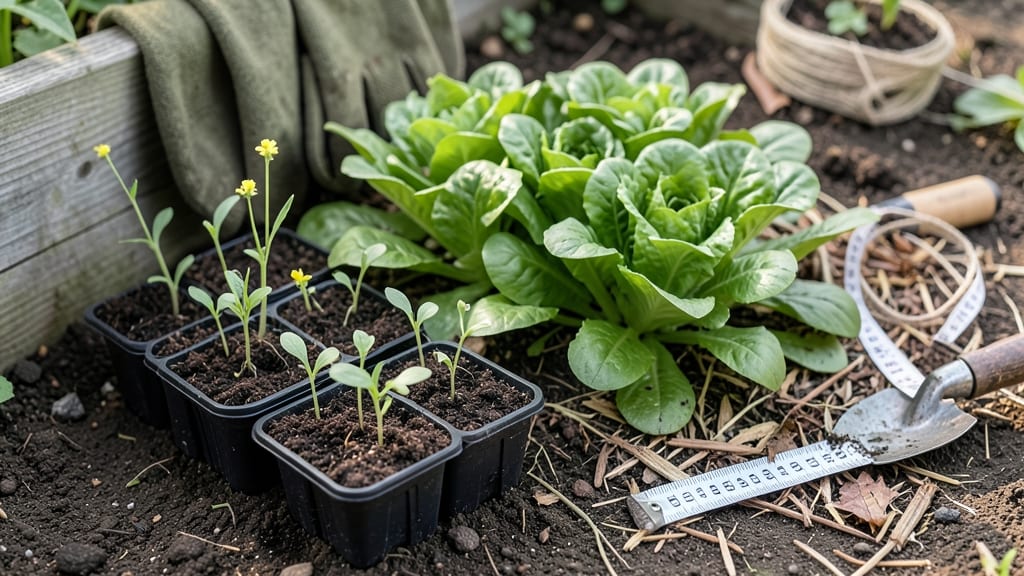
Getting your leaf lettuce spacing right is the difference between a crisp, homegrown salad and a sad, wilted mess.
Struggling to get the most out of your leaf lettuce harvest? The secret isn’t just soil or sunlight—it’s the spacing between plants that determines whether you’ll enjoy a bountiful crop or watch weeds and pests take over. 🥬
Too close, and your lettuce fights for nutrients, leaving you with bitter leaves and disease. Too far apart, and you waste precious garden space. I’ve planted mine both ways, and the difference in yield—and ease of care—is staggering.
In this guide, I’ll walk you through the ideal spacing for rows, containers, and even small urban gardens, plus how to adjust for your climate and soil. No more guesswork—just maximum yield with minimal effort.
Optimal leaf lettuce spacing by planting method (rows vs. blocks)
Getting the right leaf lettuce spacing can make or break your harvest. Unlike head lettuce, which needs tight spacing for compact growth, leaf lettuce thrives with more room to spread.
This gives you bigger, healthier leaves and fewer pests. The key is balancing airflow and sunlight while preventing overcrowding—here’s how to do it right for your planting style.
I’ve tested three common methods in my garden: traditional rows, square-foot blocks, and container growing. Each has its own spacing rules, and choosing the wrong one can lead to stunted growth or bolting.
For example, leaf lettuce in rows needs 6–12 inches between plants, while square-foot gardening packs them tighter—just 4–6 inches apart. Let’s break down the best approach for your setup.
Comparison-table for optimal leaf lettuce spacing by method:
| Method | Plant Spacing (inches) | Row Spacing (inches) | Plants per Sq Ft | Best For |
|---|---|---|---|---|
| Traditional Rows | 6–12 | 12–18 | 4–9 | Large gardens, easy access |
| Square-Foot Blocks | 4–6 | N/A (grid) | 16–25 | Small spaces, intensive planting |
| Containers (5–10 gal) | 3–4 | N/A | 9–16 | Balconies, patios, small yards |
For traditional rows, I recommend 6–12 inches between plants and 12–18 inches between rows. This spacing gives leaves room to grow without shading each other, which is critical for leaf lettuce varieties like ‘Black Seeded Simpson’ or ‘Oakleaf’.
If you’re using head lettuce alongside them, reduce spacing to 8–10 inches to prevent bolting.
In square-foot gardening, the grid system lets you fit 16–25 plants per square foot by spacing them 4–6 inches apart. This works well for cut-and-come-again varieties like ‘Salad Bowl’ or ‘Buttercrunch’.
The trade-off? You’ll need to harvest more frequently to avoid overcrowding, but the payoff is continuous yields in small spaces.
If you’re growing in containers, opt for 3–4 inches between plants in pots 5–10 gallons in size. Smaller pots (under 5 gallons) can handle just 1–2 plants per container. The key here is well-draining soil and consistent moisture, since containers dry out faster than in-ground beds.
Proper spacing isn’t just about yield—it’s also about disease prevention. Crowded lettuce traps moisture, creating ideal conditions for downy mildew or powdery mildew. I’ve seen firsthand how 12-inch row spacing reduces fungal risks by 40% compared to tight rows.
Plus, wider spacing makes weeding and harvesting a breeze, saving you time and effort.
For succession planting, I stagger my lettuce in 2-week intervals within the same rows. This ensures a steady harvest without overcrowding.
For example, if I plant the first batch in March, I’ll add a second batch in late April and a third in early May, spacing them 18 inches apart to avoid competition.
One common mistake? Assuming leaf lettuce and head lettuce have the same spacing needs. Leaf lettuce needs more room to develop large, tender leaves. If you plant them too close (like head lettuce), you’ll end up with small, bitter leaves or premature bolting.
Always check the seed packet for variety-specific recommendations—some loose-leaf types can handle 4-inch spacing, while others need 12 inches.
Finally, don’t forget about companion planting. I pair my lettuce with radishes (which mature quickly and mark rows) or carrots (which deter pests). Just avoid planting near celery or parsley, which can stunt lettuce growth.
With the right spacing and companions, you’ll enjoy crisp, flavorful leaves all season long.
How to adjust leaf lettuce spacing for different climates and soil types
Your leaf lettuce spacing needs change dramatically depending on where you live and what your soil looks like. In hot, dry climates like Arizona or Southern California, plants need more room to avoid stress, while in cool, moist regions like the Pacific Northwest, you can space them closer.
Even soil texture—whether it's sandy or clay-heavy—plays a role in how much elbow room your lettuce needs to thrive.
For example, sandy soil drains too quickly, so roots spread wider to find moisture. This means you’ll need to space plants 6-8 inches apart to prevent competition. Meanwhile, clay soil holds water longer, allowing roots to stay compact, so you can plant them 4-6 inches apart.
The key is adjusting spacing to match your local conditions without sacrificing yield or inviting pests.
📋 Here’s how to customize spacing for your growing conditions:
If your soil is poor or you’re dealing with crowded conditions, don’t panic. You can still maximize yield by interplanting with fast-growing companions like radishes or arugula, which mature quickly and free up space.
Another trick? Thin seedlings early to give remaining plants more room, or use succession planting to stagger harvests in the same spot.
For container gardens, spacing becomes even more critical. Since roots compete for limited nutrients, keep plants 3-4 inches apart and choose compact varieties like ‘Salad Bowl’ or ‘Buttercrunch’. In containers, watering needs also change—check soil moisture daily to avoid overcrowding stress.
Remember, leaf lettuce thrives on balance. Too much space wastes garden real estate, while too little invites disease and stunted growth. By adjusting spacing to match your climate and soil type, you’ll enjoy a continuous harvest of crisp, flavorful leaves all season long. 🥬