
Pests and Diseases
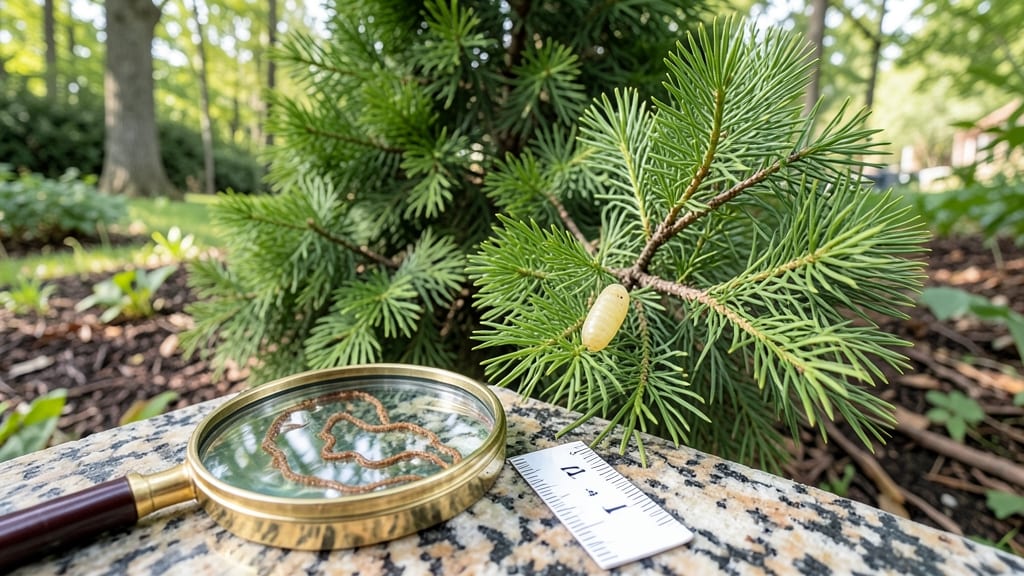
Your arborvitae's once-lush green needles now look like they've been attacked by tiny caterpillars—because they have. 🌿 Leaf miner damage turns vibrant foliage into a sad, brown skeleton, but the good news?
You can bring those trees back to life with the right approach. The key is acting fast before the damage spreads beyond repair.
These pesky leaf miners start as eggs laid on new growth, then hatch into larvae that tunnel through needles, leaving behind frass (that's the fancy term for their poop) and webbing.
By the time you notice the serpentine mines, it's already too late for last year's growth—but this year's foliage is still salvageable. The trick is stopping the cycle before next season's eggs hatch.
You'll see dramatic improvement within 2-3 weeks of treatment if you prune out damaged branches, apply neem oil or insecticidal soap, and keep your trees healthy with proper watering. The foliage won't magically turn green again overnight, but new growth will emerge strong and resistant.
The secret weapon? Consistency—check your trees every 2 weeks during growing season for early signs.
This works for all arborvitae varieties, whether you've got the classic Emerald Green or a dwarf variety. The same principles apply whether you're dealing with a single tree or a whole hedge. Here's how to make it happen without chemicals if you prefer natural solutions.
The Hidden Triggers Behind Foliage Damage
Arborvitae trees may look sturdy and resilient, but their delicate leaves are prime targets for tiny, destructive pests like leaf miners. Understanding why these insects choose your trees—and how environmental factors play a role—is the first step to stopping the damage.
Let’s break down the key reasons your arborvitae is becoming a leaf miner buffet.
Leaf miners, typically larvae of moths or flies (such as Caloptilia or Phyllocnistis species), don’t randomly attack healthy trees. Instead, they seek out arborvitae that are already stressed, making them easier prey. Here’s why:
- Nutrient Deficiencies: Trees lacking nitrogen, phosphorus, or potassium have thinner, less resilient leaves—perfect for miners to burrow into. Think of it like a weak lock on a door: easier for pests to break in.
- Drought Stress: Arborvitae are drought-tolerant but not drought-proof. When soil moisture drops, trees redirect resources to survive, leaving leaves vulnerable. Pro tip: 💡 Check soil moisture 2–3 inches deep—if it’s dry, water deeply (not just surface-level) to revive the tree’s defenses.
- Compacted or Poor Soil: Roots struggling in dense, low-oxygen soil can’t absorb nutrients efficiently. This weakens the tree’s ability to produce tough, pest-resistant foliage.
🔍 Actionable fix: Conduct a soil test to identify deficiencies, then amend with compost or a balanced fertilizer (e.g., 10-10-10) in early spring.
Leaf miners thrive in specific conditions, and arborvitae’s natural habitat often aligns with their ideal breeding grounds. Here’s how weather patterns invite infestations:
| Season | Why Miners Strike | How to Disrupt Them |
|---|---|---|
| Spring (🌸) | Warm, moist air (60–80°F) triggers adult moths to lay eggs on new growth. Arborvitae’s fresh shoots are tender and irresistible. | Apply horticultural oil or neem oil before buds break to smother eggs. |
| Summer (☀️) | Prolonged heat waves stress trees, while intermittent rain keeps larvae hydrated. Miners feast on weakened leaves. | Mulch to retain moisture and reduce temperature fluctuations near roots. |
| Fall (🍂) | Cool nights and warm days create a “second flush” of miner activity. Overripe leaves become a buffet. | Prune heavily infested branches in late fall to remove hiding spots for overwintering pupae. |
✨ Pro tip: Install yellow sticky traps in spring to monitor adult moth activity—early detection means early action!
Arborvitae grown too closely together or in shaded conditions develop competitive stress, making them prime targets. Here’s the science:
- Limited Sunlight: Shaded trees produce fewer chlorophyll-rich leaves, which miners exploit. Less sunlight = weaker chemical defenses.
- Fungal Hitchhikers: Overcrowding traps moisture, promoting fungal growth (e.g., Phytophthora). Weakened trees attract miners as secondary pests.
- Lack of Pruning: Dense, unpruned foliage creates microclimates where humidity and temperature stay ideal for miner larvae year-round.
🌿 Actionable fix: Thin out plantings to allow 3–5 feet of spacing between trees and prune to improve airflow. Bonus: Prune in late winter to avoid stressing the tree during active growing seasons.
By addressing these root causes—stress, climate, and poor growing conditions—you’re not just treating leaf miner damage; you’re making your arborvitae unappealing to pests in the first place. The next step? Turn the tables on these tiny invaders with targeted strategies.
How to Fix Arborvitae Leaf Damage
Arborvitae trees can look stunning, but leaf miners—tiny larvae that tunnel through foliage—can turn their vibrant green into a sad, skeletal sight. The good news? You can fight back with targeted solutions.
Below, we’ll break down the most common causes of leaf miner infestations and the best fixes to restore your arborvitae’s health—plus prevention tips to keep future damage at bay.
If you catch the problem early, you can often stop it before it spreads.
🍳 Fix: Manual Removal & Pruning
- Trim Infested Branches 🌿
- Use clean, sharp pruners to remove heavily damaged branches (where you see visible tunnels or browning).
- Dispose of clippings in a sealed trash bag—do not compost them!
- Focus on lower branches first, as larvae often start there.
- Shake Off Larvae 🐛
- On a sunny day, gently shake branches over a large tarp or bucket filled with soapy water.
- This dislodges pupae and larvae before they can mature.
- Clean Up Debris 🧹
- Remove fallen leaves and webbing from the ground to starve out any remaining larvae.
💡 Prevention Tip:
- Inspect trees weekly in spring/summer. Early action = less damage!
If half or more of the foliage is affected, you’ll need a two-pronged attack: chemical + cultural fixes.
🔪 Fix: Targeted Sprays & Tree Care
- Apply Horticultural Oil or Insecticidal Soap 🛡️
- Best for: Young larvae (before they tunnel deep).
- How to use:
- Mix 2.5% horticultural oil or insecticidal soap with water (follow label rates).
- Spray thoroughly on both sides of leaves and stems, especially where mines are visible.
- Repeat every 7–10 days for 3–4 weeks (larvae hatch in waves).
- Use Systemic Insecticides (If Needed) 💊
- For severe cases, a neonicotinoid-based drench (like Imidacloprid) can help.
- How to apply:
- Mix with water and pour around the root zone (not on foliage).
- Works best before larvae hatch (spring is ideal).
- Boost Tree Health 🌱
- Water deeply 1–2 times per week (arborvitae hate drought stress).
- Fertilize with a slow-release, balanced fertilizer (10-10-10 or 20-20-20) in early spring.
- Mulch with 3–4 inches of wood chips to retain moisture and deter pests.
💡 Prevention Tip:
- Avoid over-fertilizing with nitrogen—it attracts soft-bodied pests like leaf miners!
If leaf miners keep coming back, you’ll need a long-term strategy.
🌡️ Fix: Integrated Pest Management (IPM)
- Install Physical Barriers 🏗️
- Fine mesh netting (like floating row covers) over young trees can block adult flies from laying eggs.
- Secure tightly around the base and remove in late fall to prevent winter damage.
- Encourage Natural Predators 🐞
- Ladybugs, lacewings, and parasitic wasps eat leaf miner larvae.
- How to attract them:
- Plant nearby flowers (dill, fennel, yarrow).
- Avoid broad-spectrum pesticides that kill beneficial bugs.
- Sanitize Tools & Surroundings 🧼
- Disinfect pruners with rubbing alcohol between cuts.
- Remove all arborvitae debris from the area (larvae overwinter in fallen leaves).
🎯 Prevention Tip:
- Plant resistant varieties like ‘Emerald Green’ or ‘Green Giant’ arborvitae—they’re less prone to severe damage.
If your arborvitae looks more brown than green, don’t give up yet!
- Shear back the worst branches to encourage new growth.
- Apply a foliar feed (like seaweed extract) to revitalize the tree.
- Monitor for 2–3 years—healthy trees bounce back faster!
Final Thought: Leaf miners are annoying, but with consistent action, your arborvitae can recover beautifully. Start with manual removal, then strengthen defenses—your tree will thank you! 🌿💚
Frequently asked questions
How do I tell if my arborvitae has leaf miners instead of another pest?
Look for serpentine tunnels inside the needles and tiny black frass (larvae poop) along the trails. Unlike spider mites (which cause stippling) or bagworms (which create silk bags), leaf miners leave clear, winding paths under the leaf surface. Shake branches over white paper—if you see tiny white larvae, that confirms it.
Can I save my arborvitae if it's already heavily damaged?
Yes! Start by pruning out 50% or more of the most infested branches to reduce food sources. Then apply horticultural oil every 7-10 days for 4 weeks. Healthy new growth will emerge from the remaining branches. For severe cases, consider a systemic insecticide drench in early spring before larvae hatch.
Will leaf miners kill my arborvitae tree?
Leaf miners rarely kill mature arborvitae, but they can cause significant stress that makes trees vulnerable to other diseases. The real danger comes from repeated yearly infestations weakening the tree over time. Act quickly to prevent long-term damage—prune, spray, and monitor regularly during growing seasons.
How often should I check my arborvitae for leaf miners?
Inspect your trees every 2 weeks during active growing seasons (spring through fall). Focus on new growth areas where miners lay eggs. Early detection is key—catching larvae before they tunnel means easier control. Use a 10x magnifying glass if you're unsure what you're seeing.
Are there any arborvitae varieties that resist leaf miners better?
Some varieties show better natural resistance than others. Try 'Emerald Green' or 'Green Giant' arborvitae—they tend to handle miner pressure better. Dwarf varieties like 'Teddy Bear' also seem less appealing to miners. While no variety is completely immune, these are your best bets for minimizing damage.