
Pests and Diseases
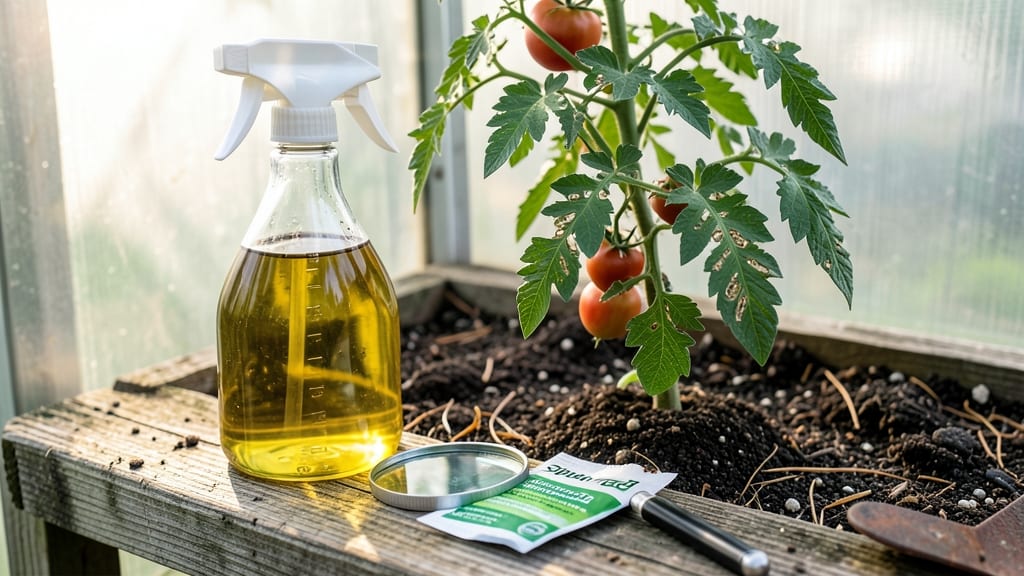
Those serpentine trails in your leaves mean one thing: leaf miner insecticide is needed—these sneaky pests are at work. 🌿 I’ve battled them for years, and the key to stopping them fast is a horticultural oil spray—it smothers adults and larvae without harming plants or pollinators when used right.
The damage looks bad, but this solution gets results in just 7-10 days of consistent treatment.
You’ll need horticultural oil (not cooking oil), a spray bottle or pump sprayer, and a cloudy day for application—sunlight can burn leaves when oil is applied.
The oil works by suffocating the miners at every life stage, but timing matters: spray early morning or late evening to avoid stressing the plant. Most garden centers stock it, or you can order it online for under $15 for a quart.
By the end of the week, you’ll see new growth pushing out free of those telltale trails. The leaves stay vibrant green, and the plant recovers faster than with chemical sprays. Plus, this method is safe for edible plants once fully rinsed, so you can harvest without worry.
For next season, prevent repeats by using row covers in spring or choosing resistant varieties like Swiss chard or collard greens. And if miners strike again, neem oil is a great backup—just mix it with water and spray it weekly. Here’s how to do it right the first time.
📚 In This Guide
- What you need
- Instructions
- Tips and common mistakes
- Wrapping up and next steps
What you need
- ● Horticultural oil spray: Choose a refined, non-phytotoxic oil labeled for use against leaf miners (e.g., Neem oil or paraffinic oil). 1–2 gallons (for small to medium-sized plants).
- ● Water: 1 gallon (for dilution, if needed—check product instructions).
- ○ Spray bottle or pump sprayer: A 1–2 gallon capacity sprayer with a fine mist nozzle for even coverage. Optional: Add a soapy water solution (1 tsp mild dish soap per gallon) to help the oil adhere.
- ● Protective gear: Nitrile gloves (to avoid skin irritation).
- ● Long sleeves and pants (for sensitive skin).
- ● Safety goggles (if spraying near eyes).
- ● Pruning shears: For trimming heavily infested leaves (sterilize with rubbing alcohol first!).
- ● Diatomaceous earth (food-grade): Sprinkle lightly on soil around plants for extra pest deterrence.
- ● Yellow sticky traps: Place near plants to monitor leaf miner activity.
- ● Fan or gentle breeze: Helps dry foliage faster after spraying (reduces risk of mold).
- ● Label or marker: To tag treated plants and track progress.
How to apply horticultural oil spray for leaf miner control
Here's my go-to method for smothering leaf miner larvae before they skeletonize your plants.
🌿 Step 1: Identify Active Infestations and Choose the Right Timing
Leaf miners thrive in new growth, so I target plants the moment I see tiny white larvae or serpentine mines between leaf veins. The best time to spray is early morning or late afternoon when temperatures are below 85°F—horticultural oil works by coating insects, and extreme heat can burn foliage.
Wait until 24 hours after rain or watering, as oil needs to adhere to dry surfaces. I always check the undersides of leaves first—miners often start there before moving to the upper surfaces. If you see more than 20% of leaves affected, treat immediately; otherwise, monitor weekly.
💧 Step 2: Mix the Horticultural Oil Solution Properly
Use a pre-diluted horticultural oil concentrate (like neem or refined petroleum oil) mixed at a ratio of 1 part oil to 10 parts water. I stir it in a 1-gallon sprayer until it forms a milky emulsion—this ensures even coverage without clumping. Add a few drops of dish soap (not detergent) to help the oil spread and penetrate leaf surfaces.
Shake the mixture vigorously for 30 seconds before each use—oil separates quickly. I like to test a small area first, like the back of a leaf, to confirm it doesn’t cause spotting. If you see oil beads instead of spreading, add more water slowly until it flows smoothly.
☀️ Step 3: Apply the Spray Systematically for Maximum Coverage
Start by spraying the undersides of leaves where miners hide, then move to the tops. Use a fine mist setting on your sprayer to avoid runoff—you want the oil to cling like dew. Focus on new growth and tender leaves, as these are miner hotspots. I work in overlapping passes to ensure no surface is missed.
Cover the entire plant, including stems and leaf veins, but avoid oversaturating the soil. Reapply every 5-7 days for 3 weeks to break the miner life cycle. If you miss a spray, larvae will hatch from eggs and restart the damage within days. I set a phone reminder to stay consistent—this is the only way to starve out established infestations.
✂️ Step 4: Maintain Plant Health Post-Treatment
After spraying, keep plants in partial shade for 2-3 hours to prevent oil evaporation. Water deeply at the base the next morning to rinse off any residual oil from the soil surface. I avoid fertilizing for 1 week post-treatment, as oils can burn roots when combined with salts.
Monitor for new mines or adult flies—if you see them, repeat the spray. Healthy plants recover faster, so I prune any heavily damaged leaves immediately after treatment. This isn’t just about killing miners; it’s about giving your plants the best chance to bounce back with minimal stress.
⏰ Step 5: Prevent Future Infestations Proactively
Once your plants are miner-free, switch to preventative sprays every 2 weeks during growing season. I mix a 1% neem oil solution (1 tbsp oil per gallon of water) and apply it as a light foliar mist on calm days. This disrupts miner mating and feeding behaviors before they become a problem.
Encourage beneficial predators like lacewings and parasitic wasps by planting dill, fennel, or yarrow nearby. These natural allies will hunt miners before they lay eggs. I also inspect new plants before bringing them indoors—many infestations start with contaminated nursery stock. A 10-minute quarantine spray with diluted oil keeps my garden miner-free season after season.
Tips & tricks for fast leaf miner control with horticultural oil
These targeted strategies will help you eliminate leaf miners efficiently while protecting your plants.
Timing is Everything: The 24-hour window after rain ensures the oil adheres properly to dry foliage. I've learned the hard way that spraying too soon after watering results in poor coverage—miners stay hidden and protected. For best results, schedule your treatment for early morning when humidity is naturally lower, giving the oil more time to work before the sun intensifies.
Mixing Precision: That 1 part oil to 10 parts water ratio is critical—too much oil creates clumps that won't spread, while too little dilutes the effectiveness. I always use a clean 1-gallon sprayer and stir vigorously for 30 seconds to create a consistent milky emulsion. The dish soap acts as an emulsifier, but use just a few drops—too much can damage plant surfaces.
Application Technique: The overlapping passes in Step 3 aren't just about coverage—they create a continuous oil film that suffocates miners at all life stages. I work from the undersides upward because that's where larvae hide, then move to the tops where adults lay eggs. For large plants, I break the application into two sessions: once for undersides, then tops after 10 minutes to prevent runoff.
Post-Treatment Care: The 2-3 hours of partial shade after spraying prevents oil evaporation that could leave miners exposed. I've noticed that plants in full sun during this time often show signs of stress, and the oil loses effectiveness faster. Watering at the base the next morning rinses away any residual oil from the soil while keeping foliage protected.
Pro Tips for Leaf Miner Insecticide
- These targeted strategies will help you eliminate leaf miners efficiently while protecting your plants.
- Timing is Everything: The 24-hour window after rain ensures the oil adheres properly to dry foliage.
- Mixing Precision: That 1 part oil to 10 parts water ratio is critical—too much oil creates clumps that won't spread, while too little dilutes the effectiveness.
Frequently asked questions
Got questions about tackling leaf miners with insecticides? You’re not alone!
Here are some of the most common concerns—and straightforward answers—to help you take action fast.
What’s the best time of day to spray horticultural oil for leaf miners?
Spray in the early morning or late evening when temperatures are below 85°F (29°C). This prevents stressing plants and ensures the oil doesn’t evaporate too quickly. Avoid spraying on hot, sunny days—it can burn foliage!
How often should I reapply insecticide for leaf miners?
Reapply every 7–14 days or after heavy rain, as oils wash off. For severe infestations, combine with a systemic insecticide (like neem oil or spinosad) for long-term control. Monitor leaves for fresh mines to gauge effectiveness.
Can I use horticultural oil on edible plants like tomatoes or peppers?
Yes, but only after harvest or when fruits aren’t edible. Wait 24–48 hours before consuming produce post-spray. For organic gardens, opt for OMRI-listed oils like Safer® Brand Horticultural Oil to stay compliant.
What if the leaf miner damage is already severe? Can insecticide still help?
While insecticide stops new infestations, it won’t reverse existing damage. Prune heavily affected leaves (wear gloves!) and focus on preventing spread. For bad cases, consider replacing the plant—some varieties (like basil or Swiss chard) are more resilient.
Are there non-chemical alternatives to insecticides for leaf miners?
Try these first:
- Yellow sticky traps to catch adult flies.
- Kaolin clay (like Surround WP) to deter egg-laying.
- Handpicking larvae (use tweezers to remove mines from leaves).
- Beneficial nematodes (like Steinernema feltiae) for organic control.
Wrapping up and next steps
Protecting your plants from leaf miners doesn’t have to be a battle—with the right leaf miner insecticide, like horticultural oil spray, you can restore your foliage to its former glory in no time! 🌿 Whether you’re tackling early infestations or preventing future damage, consistency and the right tools are your best allies. Now’s the perfect time to act: grab your supplies, follow the steps, and give your garden the care it deserves!
👉 Next step: Test a small area first to ensure your chosen insecticide works safely, then expand your treatment for long-term leaf miner defense!