
Pests and Diseases
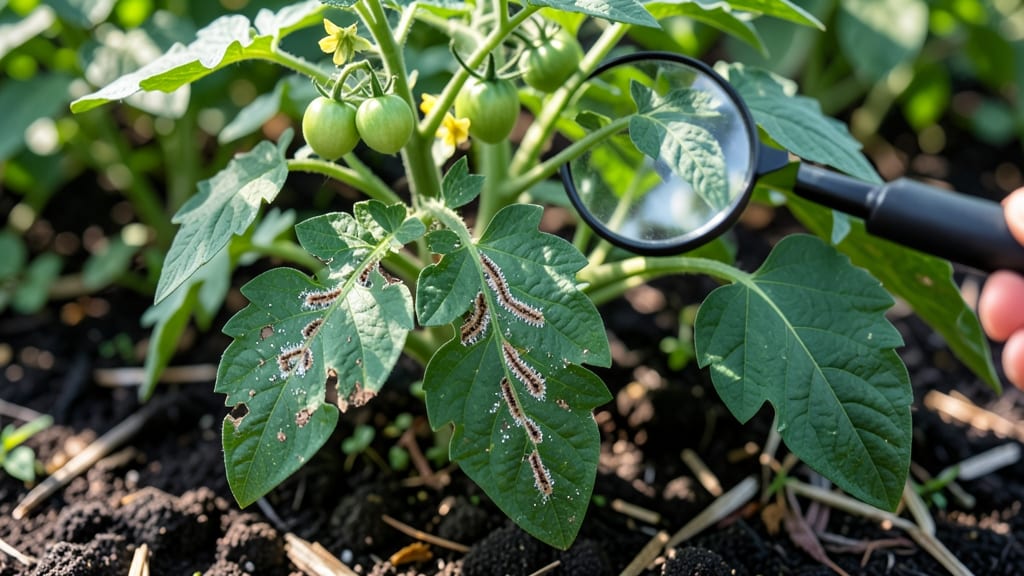
Those winding white trails on your leaves aren’t just unsightly—they’re leaf miner damage, and spotting them early can save your plants. 🌿 I’ve watched entire basil and tomato plants defoliate when I ignored the first signs, but now I check leaves weekly for those telltale serpentine patterns.
Leaf miners are tiny maggots that burrow between leaf surfaces, creating tunnels that disrupt photosynthesis. They target everything from herbs and vegetables to ornamentals like roses and viburnum. The damage starts small—just a few squiggly lines—but if left unchecked, leaves yellow, curl, and drop.
The good news? You can stop the spread with simple fixes like removing heavily infested leaves, introducing beneficial wasps, or spraying neem oil. I’ve found that pruning early and covering seedlings keeps new growth miner-free, and the results show within weeks.
This isn’t a hopeless battle—it’s about timing and prevention. Once you know what to look for, you’ll catch infestations before they take over. Let’s get your plants back to thriving.
The Hidden Culprits Behind Leaf Damage
Leaf miner trails—those serpentine, blistered, or brown pathways snaking through your plant leaves—are rarely caused by chance. Instead, they’re the telltale signs of tiny, relentless invaders making a meal out of your greenery.
Understanding why these patterns appear is the first step to stopping them before they turn your prized plants into a buffet. Let’s break down the science behind the chaos.
Most leaf miner trails are the handiwork of larvae—the juvenile stage of flies, beetles, or moths. These larvae don’t just nibble; they burrow into leaf tissue, creating tunnels as they feed on chlorophyll, sap, and cell contents. Here’s how it works:
- Eggs hatch on the leaf surface: Adult flies or moths lay eggs on the underside of leaves. Once hatched, larvae use their sharp mandibles to chew into the leaf epidermis, establishing their feeding grounds.
- Serpentine vs. blotch mines:
- Serpentine miners (like Liriomyza fly larvae) create winding trails, often with frass—tiny black or brown excrement pellets—lining the path.
- Blotch miners (such as Phytomyza species) cause irregular, brownish patches as they feed between leaf layers.
- Leaf structure collapses: As larvae consume cells, the leaf weakens, leading to wilting, curling, or premature drop-off. Severe infestations can defoliate plants entirely.
💡 Pro Tip: Check the underside of leaves first—adult miners often lay eggs there, and early detection means fewer tunnels to deal with later.
Not all plants are equally appealing to leaf miners. These pests zero in on stressed or vulnerable foliage for a few key reasons:
| Factor | Why It Attracts Miners |
|---|---|
| 🌡️ Heat and drought | Drought-stressed plants have softer, more nutrient-rich leaves—an all-you-can-eat buffet for larvae. |
| 🍄 Over-fertilization | Excess nitrogen makes leaves tender and sap-heavy, making them easier for larvae to penetrate. |
| 🌿 Young, tender growth | New leaves are less tough and packed with nutrients, ideal for larval development. |
| 🛡️ Lack of natural predators | Plants without beneficial insects (like parasitic wasps) are more susceptible to miner outbreaks. |
✨ Actionable Insight: If your plants are suddenly miner magnets, reassess their care routine. Consistent watering and balanced fertilization can make leaves less inviting to these pests.
Leaf miners thrive in specific conditions that accelerate their life cycle. Pay attention to these triggers:
- Warm, humid climates: Most leaf miners prefer temperatures between 60–85°F (15–30°C). Greenhouses, conservatories, and tropical regions are hotspots for outbreaks.
- Overcrowded plants: Dense foliage traps heat and moisture, creating a cozy environment for larvae. Poor air circulation also slows down natural predator activity.
- Seasonal peaks:
- Spring/summer: Warmth speeds up larval development, leading to rapid population growth.
- Fall: Adult miners seek sheltered spots to lay eggs, often targeting indoor plants.
🔥 Prevention Tip: Thin out overgrown plants, improve airflow with pruning, and avoid overhead watering (which can spread eggs). If moving plants indoors for winter, inspect them thoroughly—miners love hitching a ride!
Now that you know who’s behind the damage and why they’re feasting on your plants, the next step is identifying the specific miner and acting fast to protect your garden. Don’t let these tiny troublemakers turn your green thumb into a cautionary tale!
Quick Fixes for Wormy Leaf Damage
Tiny, serpentine trails snaking through your leaves? Those are leaf miners at work—and the good news is, you can stop them in their tracks! The key is acting fast and targeting the root cause, whether it’s poor plant health, overcrowded foliage, or an infestation already underway.
Below, we’ve broken down practical, step-by-step solutions tailored to the most common triggers, plus prevention tips to keep your garden miner-free.
Cause: Leaf miners love weak, crowded plants with poor airflow. Fix:
- Prune aggressively 🔪: Trim back overgrown branches to improve circulation. Focus on dense areas where miners thrive.
- Thin out plants 🌿: Space out seedlings or shrubs so leaves dry quickly after watering (miners hate damp conditions).
- Fertilize smartly 💪: Use a balanced, organic fertilizer (like compost tea or fish emulsion) to strengthen foliage. Avoid over-fertilizing—too much nitrogen attracts pests!
Pro Tip: 💡 Mulch properly with 2–3 inches of organic mulch (straw or shredded leaves) to deter miners and retain moisture without creating a damp, inviting environment.
Cause: You’ve spotted the telltale squiggly trails and maybe even the larvae inside leaves. Fix:
- Handpick larvae 👨🍳: Wear gloves and pluck off affected leaves (especially on small plants). Drop them into soapy water to kill them.
- Use sticky traps 🕸️: Place yellow sticky traps near infested plants to catch adult flies before they lay eggs.
- Neem oil spray 🌿: Mix 1 tbsp neem oil + 1 tsp mild soap in 1 quart of water. Spray directly on undersides of leaves (where eggs are laid) every 5–7 days. Reapply after rain.
Pro Tip: ✨ For severe cases, try kaolin clay (like Surround WP)—it coats leaves, making them unappetizing to miners and disrupting their feeding.
Cause: Leaf miners thrive in damp, humid conditions (think overwatered or shaded plants). Fix:
- Adjust watering 💧: Water deeply but only when the top inch of soil is dry. Avoid overhead watering—use drip irrigation or soaker hoses.
- Improve drainage 🏗️: Amend heavy soil with perlite or compost to prevent waterlogging. Raise containers if needed.
- Prune for sunlight ☀️: Thin out shade from trees or structures to dry leaves faster.
Pro Tip: 🌡️ Morning watering is best—it gives foliage time to dry before evening humidity sets in.
Cause: You’ve dealt with miners before and want to avoid a repeat. Fix:
- Rotate crops 🔄: If growing vegetables, avoid planting the same family (like brassicas or solanaceae) in the same spot yearly.
- Introduce predator insects 🐞: Ladybugs, lacewings, and parasitic wasps (like Diglyphus isaea) eat leaf miner larvae. Buy them online or attract them with native plants like dill or fennel.
- Use row covers 🛡️: For seedlings, install fine mesh covers to block adult flies from laying eggs.
Pro Tip: 🎯 Plant miner-resistant varieties like collard greens (instead of cabbage) or Swiss chard—some cultivars are less appealing to miners.
Final Reminder: Most infestations are manageable with early action—check leaves regularly (especially undersides) and act at the first sign of trails. Your plants will thank you!
Frequently asked questions about leaf miner trails
What do leaf miner trails look like on different plants?
Leaf miner trails appear as winding, brown or white serpentine patterns between leaf layers. On tomatoes, they create blistered, yellowed patches, while roses show delicate white squiggles. Herbs like basil develop dark, irregular blotches. Always check leaf undersides for tiny larvae or eggs first!
Can I save a plant already heavily damaged by leaf miners?
Yes, but act fast! Prune off all heavily infested leaves (drop them in soapy water) and treat remaining foliage with neem oil or kaolin clay. For severe cases, consider removing the plant entirely to prevent spread. Healthy plants often recover if you catch it early!
Are some plants more resistant to leaf miners than others?
Collard greens, Swiss chard, and rosemary are naturally more resistant. Avoid planting cabbage, celery, or beets in the same spot yearly—rotate crops to break the miner life cycle. Strong, well-nourished plants always fend off pests better!
How often should I check for leaf miner trails?
Inspect leaves weekly during growing seasons (spring-fall), focusing on undersides. New growth is most vulnerable! For high-risk plants (like tomatoes or peppers), check every 3-4 days during warm, humid weather when miners thrive.
Will commercial insecticides kill leaf miners?
Some chemical sprays work, but they often harm beneficial insects too. Organic options like spinosad or pyrethrin are safer. For best results, combine with physical removal (handpicking larvae) and preventive measures like row covers—this gives you the strongest defense!