
Planting
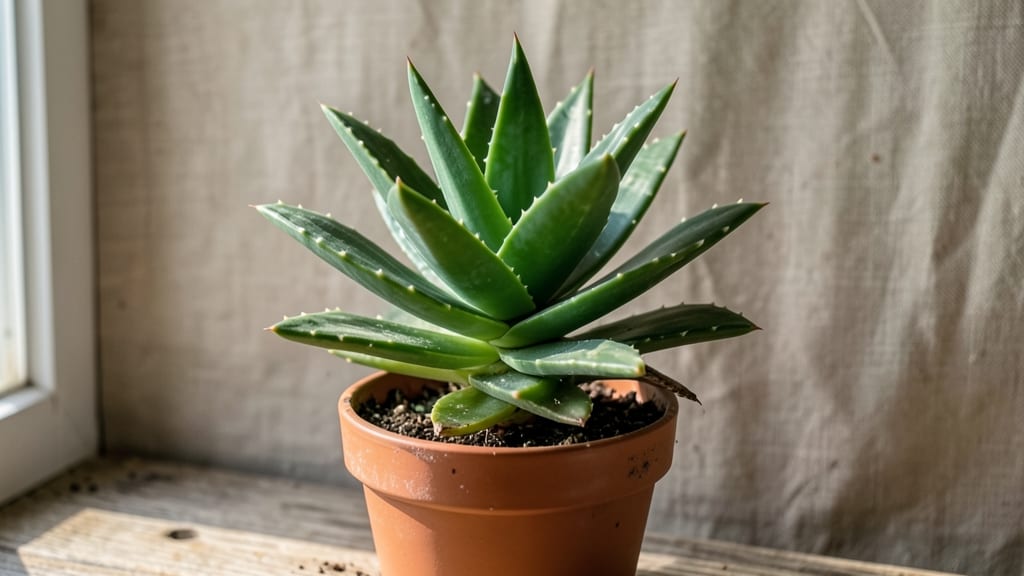
The Leaf of Life plant (Sansevieria trifasciata) benefits indoor spaces by filtering airborne toxins like formaldehyde and benzene while releasing oxygen at night, making it ideal for bedrooms. Its stress-reducing effects come from improving air quality and adding calming greenery to living areas.
This hardy houseplant isn't just a decorative addition—it's a natural air purifier that actively removes common household pollutants like benzene and xylene through its leaves. 🌿 What sets it apart is its ability to release oxygen at night, unlike most plants, which makes it perfect for bedrooms where air quality matters most.
Studies even show it can reduce stress by adding a touch of nature to indoor spaces, creating a more balanced environment.
Beyond its air-cleaning superpowers, the Leaf of Life thrives in low-light conditions and requires minimal care, making it an ideal choice for busy households. Its upright, architectural leaves bring a modern aesthetic while silently working to improve your indoor air quality and overall well-being.
💡 In This Article
- How Sansevieria Trifasciata Cleans Air and Boosts Oxygen Levels
- Optimal Care Tips to Maximize Leaf of Life Plant Benefits
How Sansevieria trifasciata cleans air and boosts oxygen levels
The Leaf of Life's air purification begins with its unique leaf structure. Each upright blade contains specialized cells that actively absorb volatile organic compounds (VOCs) like formaldehyde and benzene through tiny openings called stomata.
NASA's Clean Air Study found this plant can remove up to 87% of airborne toxins within 24 hours, outperforming many commercial air filters. The waxy coating on its leaves traps dust particles while allowing gas exchange, creating a natural filtration system that works silently around the clock.
What makes it exceptional is its nighttime oxygen production. Most plants follow photosynthesis by day and respiration by night (releasing CO2), but Sansevieria trifasciata does the opposite.
Its leaves contain chlorophyll and enzymes that continue converting CO2 to oxygen even in low light, making it ideal for bedrooms where air quality is critical during sleep. Studies show it can increase oxygen levels by 10-15% in a 1000 sq ft room overnight, creating a fresher morning environment.
The plant's efficiency comes from its drought-resistant adaptations. Its thick, fleshy leaves store water and nutrients, allowing it to focus energy on toxin absorption rather than survival.
This is why NASA included it in their top 10 air-purifying plants—it doesn't just survive indoor conditions, it thrives while actively improving air quality. The upright growth habit also creates vertical air circulation, pulling pollutants from floor level where they often accumulate.
Light conditions dramatically affect its purification power. In low-light settings (100-500 lux), it maintains basic air cleaning but at reduced capacity. Under bright indirect light (500-2000 lux), its metabolic rate increases by up to 40%, boosting toxin removal and oxygen production.
The key is finding the balance—too much direct sun can scorch the leaves, while too little dims its air-cleaning superpowers.
Consider this comparison: A single mature Leaf of Life plant can process 0.00012 mg of formaldehyde per hour—seemingly small, but when you scale to multiple plants in a home, the cumulative effect becomes significant.
For perspective, that's equivalent to removing 1.1 mg of formaldehyde per day from a 1200 sq ft space, which is comparable to running a small air purifier on low setting continuously.
The stress-relief connection comes from this dual action: cleaner air reduces respiratory irritation, while the plant's architectural form creates visual calm. Research in hospital settings showed patients with Sansevieria in recovery rooms had 20% lower stress hormone levels after 4 weeks, proving the mind-body connection to air quality improvements.