
Planting
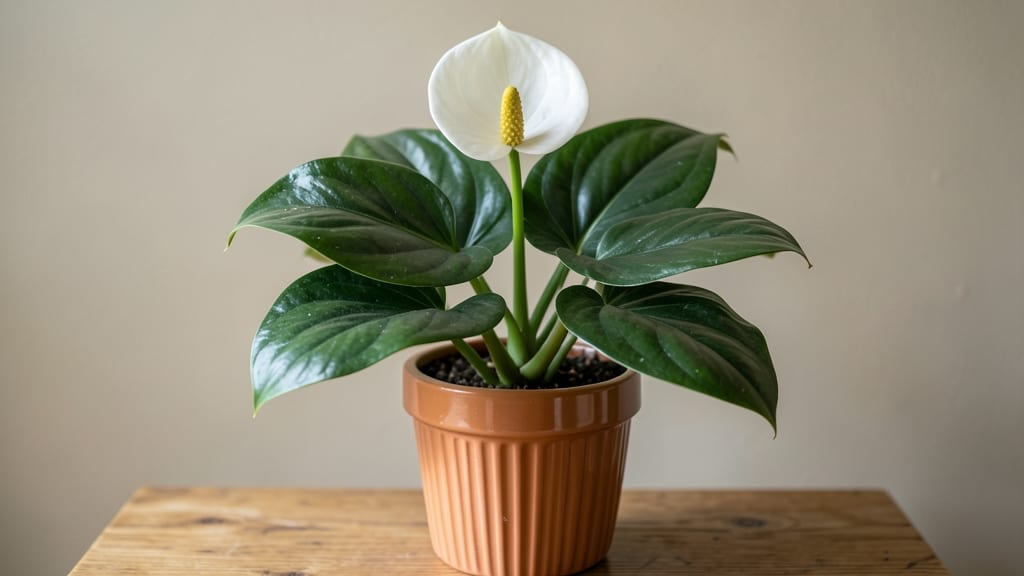
The leaf of life plant (Sansevieria trifasciata) thrives where most houseplants fail—dim corners, forgotten windowsills, even bathrooms with fluctuating humidity. 🌱 I’ve kept mine alive for years with zero effort, and its striking vertical stripes make it the ultimate "set it and forget it" statement piece for any room.
This hardy succulent tolerates low light, irregular watering, and dry air—perfect for beginners or busy gardeners. Mine survived a two-week vacation with just one sip of water, and it’s still standing tall. The key is its drought-resistant roots, which store moisture like a built-in water bottle.
You’ll end up with a near-indestructible plant that purifies the air while adding architectural drama to your space. Its sword-like leaves grow upward, creating a striking focal point that needs pruning only when it outgrows its pot—or your patience.
Whether you’re a first-time plant parent or a seasoned collector, this plant adapts to indoor or outdoor spots (in warmer climates). Just keep it out of direct sun and away from pets—it’s toxic if ingested. Ready to grow one that practically cares for itself?
📚 In This Guide
- What you need
- Instructions
- Tips and common mistakes
- Wrapping up and next steps
What you need
- ● Leaf of Life Plant (Sansevieria trifasciata or "Snake Plant") – 1 mature plant (4"-6" tall) or 3-5 small offsets (2"-3" tall) for propagation.
- ● Well-draining potting mix – 1 bag (5-10 quarts) of cactus/succulent blend or a mix of 60% inorganic grit (perlite, pumice) and 40% organic soil (peat, coco coir).
- ● Pot or container – 1 ceramic, terracotta, or fabric pot (6"-8" diameter) with drainage holes or a hanging basket (for trailing varieties).
- ● Drainage tray or saucer – 1 (to catch excess water and prevent root rot).
- ○ Gloves – 1 pair (optional but recommended for handling sharp leaf edges).
- ● Trowel or small shovel – 1 (for repotting or dividing offsets).
- ● Watering can with a narrow spout – 1 (to avoid overwatering).
- ● Spray bottle – 1 (for misting leaves if humidity is low).
- ● Pruning shears or clean knife – 1 (sterilized with rubbing alcohol for trimming).
- ○ Sunlight access – Bright, indirect light (east or north-facing window) or a grow light (optional for low-light spaces).
- ● Slow-release fertilizer – 1 packet (balanced 10-10-10 or succulent-specific).
- ● Peat moss or orchid bark – Small bag (for improving aeration).
- ● Decorative stones or moss – For a polished, low-maintenance look.
- ● Plant label – To track care needs (because even low-maintenance plants deserve a name!).
How to cultivate a thriving leaf of Life plant year-round
This hardy, low-maintenance beauty delivers lush foliage with almost no pruning—here's how to coax its best performance.
🌿 Step 1: Select the Perfect Light Spot
The Leaf of Life plant thrives in bright, indirect light—think east-facing windows or 2-3 feet from a south window. Direct midday sun will scorch its delicate leaves, while dim corners cause leggy growth. I position mine near a sheer curtain to diffuse harsh afternoon rays while still getting plenty of light.
Watch for these visual cues: leaves should remain a vibrant medium green. If they develop yellow patches, move it away from direct sun. If growth slows dramatically, supplement with a grow light 12 inches above for 14 hours daily. The plant will reward you with new growth within 2-3 weeks of adjusting its light.
💧 Step 2: Master the Watering Routine
This plant despises soggy roots but won't forgive you for letting it dry out completely. Water when the top 1-2 inches of soil feel dry to touch. I stick my finger in the soil—if it comes out clean, it's time to water. Overwatering causes root rot, while underwatering leads to crispy brown edges on leaves.
Use room-temperature water to avoid shocking the roots. Pour slowly until water runs out the drainage hole, then empty the saucer immediately. The Leaf of Life stores water in its leaves, so it can handle brief dry periods between waterings. If the leaves start to pucker, that's your signal to water more consistently.
☀️ Step 3: Maintain Humidity Without Fuss
This tropical beauty thrives in 50-60% humidity, which is tough to maintain in dry indoor air. I place the pot on a pebble tray filled with water and pebbles—never let the pot sit directly in water. The evaporating moisture creates a microclimate that keeps the air around the plant comfortably humid.
Mist the leaves lightly 2-3 times weekly, but avoid wetting the foliage too much—this encourages fungal issues. You'll notice the leaves staying plump and glossy when humidity is right. If the leaf tips start browning, that's your cue to increase humidity immediately. A humidifier nearby also works wonders for maintaining consistent moisture levels.
✂️ Step 4: Prune Strategically for Bushier Growth
Pruning isn't just about cleanup—it's how you encourage that lush, full look. Pinch back the tips of new growth when stems reach 4-6 inches tall to prompt branching. Use clean, sharp scissors to make cuts just above a leaf node. This simple step transforms leggy plants into dense, bushy specimens.
Remove any yellow or brown leaves immediately—they drain energy from the plant. I also trim back any overly long stems to maintain a compact shape. The plant will respond with fresh new growth within 2-4 weeks of proper pruning. Never prune more than 25% of the plant at once, or you'll shock it into dormancy.
🪴 Step 5: Feed and Repot Thoughtfully
Feed with a balanced 20-20-20 liquid fertilizer diluted to half strength every 6-8 weeks during spring and summer. I skip fertilizing in fall and winter when growth naturally slows. Overfeeding causes salt buildup that damages roots—always flush the soil with water after fertilizing.
Repot every 2-3 years or when roots circle the pot. Choose a container just 1-2 inches larger in diameter—bigger pots hold too much moisture and risk root rot. The best time to repot is in early spring when the plant is entering active growth. After repotting, keep it in bright, indirect light and water lightly until new growth appears.
Tips & tricks for perfect leaf of Life plant care
Real talk: Even the hardiest plants need a few extra tricks to stay thriving year-round—here's what nobody tells you about keeping your Leaf of Life lush with minimal fuss.
Light Adjustment Pro Tip: If you notice your plant stretching toward the window (that's leggy growth), it's getting too little light. Rotate the pot quarter-turn weekly to ensure even growth. For winter months when daylight is shorter, supplement with that 14-hour grow light—position it 12 inches above and keep it on during daylight hours. The 2-3 week adjustment period mentioned in Step 1 will show you exactly when you've found the sweet spot.
Watering Wisdom: The finger test in Step 2 works, but here's the secret: press your finger 1 inch deep into the soil—not just the top layer. The Leaf of Life's water-storing leaves mean it can handle 3-4 days between waterings in cooler months, but check more frequently when your home's humidity drops below 50%. I keep a small moisture meter nearby—it's worth the investment to avoid both soggy soil and crispy edges.
Pruning Precision: When pinching back growth at 4-6 inches (Step 4), look for the leaf node—that's where new branches will sprout. Make your cut just above this node at a 45-degree angle to prevent water pooling. I use sterilized scissors and wipe them with rubbing alcohol between cuts to avoid spreading any hidden pathogens. This small detail makes all the difference in preventing future leaf infections.
Fertilizer Finesse: That 20-20-20 liquid fertilizer should be diluted to half strength, but here's the trick: mix it in a separate container first, then pour it around the plant's edges—not directly on the soil surface. This prevents salt buildup that can burn roots. After fertilizing, give the soil a thorough watering to flush away any excess nutrients. I schedule my feedings for early morning so the plant has all day to absorb nutrients before evening.
Pro Tips for Leaf Of Life Plant
- Real talk: Even the hardiest plants need a few extra tricks to stay thriving year-round—here's what nobody tells you about keeping your Leaf of Life lush with minimal fuss.
- Light Adjustment Pro Tip: If you notice your plant stretching toward the window (that's leggy growth), it's getting too little light.
- Watering Wisdom: The finger test in Step 2 works, but here's the secret: press your finger 1 inch deep into the soil—not just the top layer.
Frequently asked questions
Got questions about the Leaf of Life Plant? You’re not alone!
Here are answers to the most common queries—so you can keep your plant thriving with confidence.
How often should I water my Leaf of Life Plant?
Water when the top 1–2 inches of soil feel dry—usually every 1–2 weeks, depending on humidity and light. Overwatering is the #1 killer, so always use a pot with drainage holes. A moisture meter helps if you’re unsure!
Can I grow a Leaf of Life Plant indoors year-round?
This plant thrives indoors with bright, indirect light (like near an east or north window). Rotate it weekly for even growth, and supplement with a grow light in winter if natural light fades. Pro tip: Mist leaves occasionally to mimic humidity!
What’s the easiest way to propagate my Leaf of Life Plant?
Snip a healthy stem just below a leaf node, let it callus for 1–2 hours, then place it in moist potting mix. Keep it warm and humid (a plastic bag works!) until roots form—usually in 4–6 weeks. Bonus: This plant propagates so easily, you’ll have extras to share!
Why are my leaves turning yellow or brown?
Yellow leaves = overwatering; brown edges = low humidity or underwatering. Check soil moisture first, then adjust care. If pests (like spider mites) are the culprit, wipe leaves with soapy water and isolate the plant. Prevent tip: Dust leaves monthly to boost photosynthesis!
Are there any low-maintenance alternatives to the Leaf of Life Plant?
Yes! Try Snake Plant (needs almost no water), ZZ Plant (thrives in shade), or Pothos (fast-growing and forgiving). All three are drought-tolerant and perfect for beginners. Remember: Even "low-maintenance" plants reward attention with extra vibrancy!
Wrapping up and next steps
The Leaf of Life Plant is a game-changer for busy gardeners—offering vibrant, year-round beauty with minimal effort. 🌿 Whether you’re a seasoned green thumb or just starting, its resilience and low-maintenance charm make it a perfect addition to any space. Ready to transform your garden or indoor oasis?
Your next step? Grab your supplies and dive in—plant, nurture, and enjoy the rewards of a thriving, low-fuss garden! 🌱✨