
Pests and Diseases
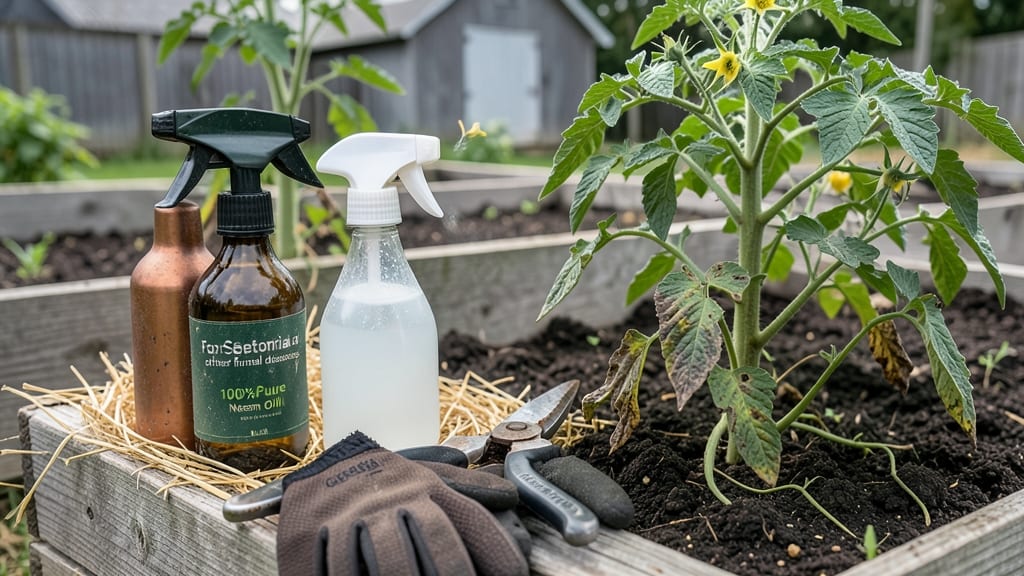
Say goodbye to those ugly brown spots ruining your plants' leaves. 🌿 The leaf septoria cure starts with understanding why this stubborn fungal disease keeps coming back—and how to stop it before it spreads.
I’ve battled it in my tomatoes, basil, and even my prized roses, and I’ve learned the exact steps that work. The key is acting fast: remove infected leaves immediately, then spray with a copper-based fungicide or a baking soda mix (yes, really!).
Prune for airflow, water at the base (never overhead), and repeat every 7-10 days until new growth appears. It’s not just about the spray—it’s about changing how you care for your plants. By the end of this, your foliage will be spot-free and thriving, with fewer outbreaks next season.
The secret? Consistency. I’ll show you the exact protocol that’s saved my gardens—and how to adapt it for different plants. This works for vegetables, ornamentals, and even houseplants. Let’s get those leaves looking healthy again!
Underlying Causes Of Leaf Spots
Leaf septoria—those unsightly brown or grayish spots with dark borders—isn’t just a random plant affliction. It’s a fungal infection triggered by specific conditions that create the perfect storm for Septoria spores to thrive.
Understanding the root causes helps you prevent outbreaks and act fast when they appear. Below, we break down the key factors that turn your lush foliage into a Septoria buffet.
The #1 enemy of healthy leaves? Prolonged wetness. Septoria fungi love damp conditions because they rely on water to spread their spores. Here’s how moisture sets the stage:
- Overhead Watering: Splashing water onto leaves (especially in the evening) creates a film of moisture that spores cling to, then germinate. Unlike roots, leaves aren’t designed to handle this—think of it like leaving a sandwich out in the rain. 🥪💦
- Poor Soil Drainage: Compacted or clay-heavy soil traps water at the roots, raising humidity levels near foliage. This is a red flag for Septoria, which thrives in 90%+ humidity.
- Frequent Rain or Dew:** Plants like tomatoes, wheat, and celery are especially vulnerable during cool, wet springs. Dew alone can keep leaves damp for hours—ideal for spore germination.
Actionable Insight: Aim for morning watering (so leaves dry by evening) and improve drainage with organic matter like compost or perlite.
Septoria isn’t picky, but it does have preferences. The fungus germinates fastest when temperatures and humidity align in its favor:
| Factor | Ideal for Septoria | Plant’s Happy Zone |
|---|---|---|
| Temperature | 50–75°F (10–24°C) (cool to mild) | 65–85°F (18–29°C) (warmer, drier) |
| Humidity | >85% (foggy, enclosed spaces) | 40–60% (balanced, airy) |
| Rainfall | Consistent light rain (keeps leaves wet) | Intermittent, with dry periods |
Why It Matters: If your garden is a cool, damp greenhouse (e.g., shaded areas with poor airflow), Septoria will explode. Even indoor plants in bathrooms or kitchens (high humidity) are at risk.
Pro Tip: Use a hygrometer to monitor humidity. If it’s above 70% for >12 hours, take action—prune for airflow or use a dehumidifier.
A healthy plant is like a bodybuilder with a strong immune system—it can fend off Septoria spores. But when plants are stressed or malnourished, they become easy targets. Common triggers include:
- Nutrient Deficiencies: Low nitrogen (N) or potassium (K) weakens cell walls, making leaves more permeable to fungal invasion. Yellowing edges or stunted growth? That’s a Septoria invitation.
- Physical Damage: Pruning wounds, hail, or even insect bites (like from aphids) create entry points for spores. Think of it like a scratched knee—easier for germs to take hold. 🩹
- Overcrowding: Plants competing for light and air can’t dry efficiently. This traps moisture and blocks sunlight, two things Septoria loves.
- Previous Infections: If your plant had early blight or powdery mildew, it’s already compromised. Fungi often team up, weakening defenses further.
Actionable Fix: Fertilize with balanced NPK (e.g., 10-10-10) and space plants 12–24 inches apart for airflow. Remove infected leaves immediately to stop the cycle.
Fungi are sneaky hitchhikers. They lurk on gardening tools, compost, and even old plant debris, ready to infect the next host. Here’s how they spread:
- Dirty Pruners/Shears: Cutting infected leaves without sterilizing tools transfers spores to healthy plants. It’s like sharing a razor—not ideal. ✂️🚫
- Infested Mulch/Compost: Old leaves, grass clippings, or untreated compost can harbor Septoria spores. Even "organic" mulch isn’t safe if it’s from an infected source.
- Reused Containers: Pots or seed trays with leftover soil from last season might still carry dormant spores. Always sterilize with a 10% bleach solution.
Prevention Hack: Disinfect tools with 70% isopropyl alcohol or a 1:9 bleach-water mix between uses. For soil, solarize beds (cover with clear plastic for 4–6 weeks) to kill spores.
Now that you know why Septoria strikes, the next step is how to stop it. Stay tuned for our fungicide spray protocol and organic remedies to reclaim your spot-free foliage! 🌿✨
How to Treat Fungal Spots Fast
Leaf septoria may feel like a losing battle, but with the right approach, you can reverse the damage and protect your plants from future outbreaks. Below, we’ve mapped practical solutions directly to the root causes of septoria leaf spot—so you can act fast and prevent recurrence.
Fix: Adjust your watering habits to stop fungal spread before it starts.
- Switch to drip irrigation (or soaker hoses) to keep leaves dry—wet foliage is a fungus’s dream.
- Water in the morning (not evening) so leaves dry quickly in sunlight.
- Avoid sprinklers—they blast spores onto leaves like a fungal cannon.
💡 Pro Tip: If you must water overhead, aim for the soil only and use a shield (like a small umbrella) to protect plant tops.
Fix: Improve ventilation and reduce moisture buildup in your garden.
- Prune crowded plants to allow air circulation (aim for 3–4 inches of space between branches).
- Space plants properly—don’t let them touch; this traps moisture.
- Use a fan in greenhouses or shaded areas to dry leaves faster.
- Remove infected leaves immediately (don’t compost them—bag and trash them).
🌡️ Pro Tip: If humidity is high, dehumidifiers (even small ones) near plants can make a huge difference.
Fix: Combat septoria with targeted treatments—organic or chemical—to stop the spread.
Option 1: Organic Fungicides (Safe & Effective)
| Treatment | How to Use | Best For |
|---|---|---|
| Baking soda spray | Mix 1 tsp baking soda + 1 tbsp oil + 1 tsp dish soap in 1 gallon water. Spray every 7–10 days. | Mild infections, preventative use |
| Neem oil | Apply 2–3 tbsp neem oil + 1 tsp soap per gallon water. Spray weekly until new growth appears. | Early-stage spots, prevention |
| Copper fungicide | Follow label rates (e.g., Cheshunt compound). Spray at first sign of spots. | Severe infections, organic gardens |
Option 2: Chemical Fungicides (Fast Knockdown)
- Chlorothalonil (e.g., Daconil) – Most effective for septoria; spray every 7–14 days until spots stop appearing.
- Propiconazole (e.g., Banner Maxx) – Systemic (absorbed by plant), great for persistent cases.
- Apply in the morning on dry leaves for best absorption.
⚠️ Warning: Always rotate fungicides to prevent resistance. Never mix copper and sulfur—they cancel each other out!
Once you’ve treated the current outbreak, lock in long-term protection with these habits:
- Rotate crops—don’t plant susceptible plants (tomatoes, cucumbers, beans) in the same spot for 3+ years.
- Solarize soil (cover with clear plastic for 4–6 weeks in summer) to kill fungal spores in the ground.
- Use resistant varieties (e.g., ‘Mountain Merit’ tomatoes, ‘Tyee’ cucumbers).
- Clean tools & surfaces—disinfect pruners with rubbing alcohol between uses.
🎯 Game-Changer: Mulch with straw or wood chips (not leaves) to reduce soil splashing onto leaves.
Final Note: Consistency is key—one spray won’t cure it. Stick to your watering, pruning, and treatment schedule for spot-free foliage in 4–6 weeks. If spots keep coming back, reassess airflow, watering, or fungicide rotation.
Frequently asked questions about Septoria leaf spot treatment
Can I still harvest fruit from plants with septoria?
It depends on the severity. For tomatoes, pick fruit before spots appear on leaves—once spots form, the fungus may contaminate the fruit. For ornamental plants, remove infected leaves immediately to prevent spread, but the plant itself is safe to keep. Always wash produce thoroughly before eating.
How do I know if my plant has septoria vs. early blight?
Septoria spots are small, circular, and grayish-brown with dark borders, often appearing on older leaves first. Early blight spots are larger, concentric rings (target-like) and start on lower leaves. Both thrive in wet conditions, but septoria spreads slowly while early blight advances rapidly.
Will baking soda really work for septoria?
Yes, but it’s best for prevention or mild cases. Mix 1 tsp baking soda + 1 tbsp oil + 1 tsp dish soap per gallon of water and spray every 7–10 days during damp weather. For severe infections, combine it with copper fungicide for better results. The oil helps the solution stick to leaves.
Can I reuse last year’s compost if my garden had septoria?
No—compost from infected plants can spread spores. Instead, solarize the soil (cover with clear plastic for 4–6 weeks) or use fresh, sterile compost. If you must reuse old compost, heat it to 140°F+ for 1 week to kill fungal spores. Always sterilize tools between uses with 70% alcohol.
Why does septoria keep coming back even after treatment?
Likely causes: poor airflow, overhead watering, or fungicide resistance. Rotate treatments (e.g., copper → neem oil → chlorothalonil), prune for spacing, and water at soil level. Check humidity—if it’s above 70% for long periods, use a dehumidifier or fan to dry leaves faster.