
Pests
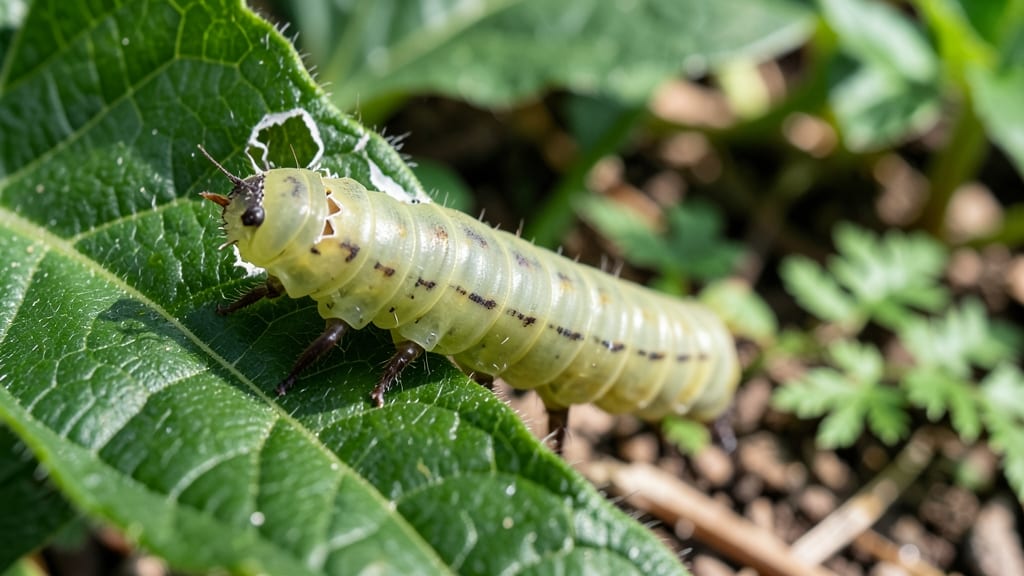
Finding tiny silk tents in your fruit tree leaves? 🌿 Those are leaf tier caterpillars—and they’re far sneakier than they look. These pests roll leaves into protective shelters, munching away unseen until your roses or apples look like lace curtains. The good news? You can stop them without harsh sprays.
These caterpillars thrive in tight leaf folds, which is why pruning first is your best offense. I’ve saved entire peach trees by simply opening nests and dropping larvae into soapy water. For larger infestations, neem oil disrupts their life cycle without harming bees or butterflies.
By next week, you’ll see fewer rolled leaves and more vibrant growth. The key is early action—once they pupate, they’re harder to catch. I’ll show you how to spot them before damage gets out of hand.
Works for roses, fruit trees, and even shrubs. Let’s get those leaves unrolled and your garden back to normal—naturally.
The Hidden Triggers Behind Infestations
Leaf tier caterpillars—those sneaky, leaf-munching pests—don’t just appear out of nowhere. Their presence in your garden is usually a response to specific environmental and ecological cues. Understanding these triggers can help you predict and prevent outbreaks before they spiral out of control.
Let’s break down the key reasons these caterpillars target your plants and how they thrive.
Leaf tier caterpillars, particularly species like the Argyresthia or Phyllonorycter moth larvae, are specialists. They lay their eggs exclusively on specific host plants, such as apple, pear, cherry, or willow trees. When these plants are under stress—whether from drought, poor soil nutrition, or overcrowding—they become more vulnerable to infestations.
- Why it happens: Stressed plants produce weaker defenses, like reduced levels of tannins or resins, which normally deter pests. Additionally, stressed foliage may emit chemical signals that attract egg-laying moths.
- Actionable fix:
- Ensure your trees and shrubs are well-watered, especially during dry spells.
- Apply a balanced fertilizer (like 10-10-10) in early spring to boost plant health.
- Prune overcrowded branches to improve airflow, reducing humidity—a factor that speeds up caterpillar development.
Leaf tier caterpillars are temperature-sensitive. Their life cycle accelerates in warm, humid conditions, which is why outbreaks often peak in late spring and summer. Eggs hatch faster, larvae grow quicker, and moths reproduce more aggressively when nights stay mild and days are warm.
| Condition | Impact on Caterpillars | How to Disrupt It |
|---|---|---|
| Consistent temperatures 60–85°F | Faster egg hatching and larval growth | Use shade cloth on young trees or plant sun-sensitive species in partial shade. |
| High humidity (60%+) | Increases survival rates of eggs and larvae | Improve drainage around plants and avoid overwatering. |
| Mild winters | Allows more moths to survive and reproduce | Encourage natural predators (like birds) by adding birdhouses or avoiding pesticides. |
In a healthy garden ecosystem, leaf tier caterpillars face multiple predators, including birds, parasitic wasps, and beneficial insects like ladybugs. However, when these natural checks are disrupted—due to pesticide use, monoculture landscaping, or habitat loss—caterpillar populations can explode.
- Why it happens:
- Broad-spectrum pesticides kill beneficial insects first, leaving caterpillars unchallenged.
- Planting only one type of tree (e.g., a single apple orchard) creates a caterpillar buffet with no diversity to break the cycle.
- Removing leaf litter or debris eliminates hiding spots for predator eggs or pupae.
- Actionable fix:
- Introduce beneficial nematodes or Bt (Bacillus thuringiensis) to target caterpillars without harming predators.
- Plant diverse species to disrupt caterpillar life cycles (e.g., interplant herbs like dill or fennel, which attract predator wasps).
- Leave some leaf litter in borders to support ground-dwelling predators like rove beetles.
Leaf tier moths are opportunistic. They seek out clean, undisturbed surfaces to lay their tiny eggs—often on the undersides of leaves, buds, or even bark crevices.
If your garden has accumulated debris, like fallen leaves, mummified fruits, or old fruit husks, you’re essentially providing a caterpillar nursery.
- Why it happens:
- Debris retains moisture and warmth, creating ideal conditions for egg survival.
- Moths are drawn to fermenting organic matter, which mimics the scent of healthy host plants.
- Actionable fix:
- Remove fallen fruit, leaves, and husks from under trees regularly (weekly during peak season).
- Prune dead or diseased branches to eliminate hiding spots for eggs.
- Apply a thin layer of diatomaceous earth around tree bases to deter egg-laying moths (reapply after rain).
By addressing these core triggers, you can significantly reduce the likelihood of leaf tier caterpillar infestations. The key is proactive care—healthy plants, balanced ecosystems, and clean environments make your garden far less appealing to these pests. 🌿🚫
Quick Fixes for Caterpillar Damage
If your garden is under siege by leaf tier caterpillars, don’t panic—there are effective, eco-friendly ways to reclaim your plants without resorting to harsh chemicals. Below, we’ve mapped out practical solutions based on the root cause of your problem, along with prevention tips to keep your garden thriving long-term.
Cause: Small infestations or localized damage. Fix:
- 🔥 Scout first: Inspect leaves for tightly rolled or folded sections—this is where leaf tier caterpillars hide. Look under leaves too!
- 👨🍳 Remove them manually: Use gloved hands or a pair of tweezers to pluck caterpillars from their hiding spots. Drop them into soapy water (1 tsp dish soap per gallon) to kill them instantly.
- 🥘 Dispose properly: Never toss them back into the garden—relocate them far from plants to prevent re-infestation.
💡 Pro Tip: Do this in the early morning or evening when caterpillars are less active. Check plants every 2–3 days to stay ahead.
Cause: Large infestations or recurring issues. Fix:
- 🔪 Introduce beneficial insects:
- Parasitic wasps (like Trichogramma or Braconid wasps) lay eggs inside caterpillars, killing them naturally. Purchase them from garden centers or online.
- Ladybugs and lacewings also prey on young caterpillars—release them in the late afternoon for best results.
- 🌡️ Use nematodes: Beneficial nematodes (Steinernema carpocapsae) seek out and kill leaf tier caterpillars in the soil. Apply them evening or early morning when temperatures are below 85°F (29°C).
- 🎯 Encourage predators: Plant dill, fennel, or marigolds near affected areas to attract hoverflies, ground beetles, and spiders, which all hunt caterpillars.
✨ Prevention Boost: Plant companion flowers like cosmos or alyssum to attract more beneficial insects year-round.
Cause: Rapid spread or when physical removal isn’t enough. Fix:
- 🥗 Homemade sprays:
- Neem oil spray: Mix 1 tbsp neem oil + 1 tsp mild soap + 1 quart water. Spray directly on caterpillars and leaf surfaces (avoid flowering plants to protect bees). Reapply every 5–7 days.
- Spinosad spray: A microbially derived pesticide safe for most plants. Follow label instructions—it’s highly effective but must be reapplied after rain.
- 🛡️ Physical barriers:
- Row covers: Use fine mesh netting over young plants to block adult moths from laying eggs. Secure edges tightly to prevent entry.
- Sticky traps: Place yellow sticky traps near plants to catch adult moths before they lay eggs.
💡 Pro Tip: Spray under leaves where caterpillars hide—this is often where they’re most vulnerable.
Cause: Recurring infestations or weak plant health. Fix:
- 📊 Garden hygiene:
- Remove damaged leaves immediately and compost them away from the garden (or burn them) to eliminate eggs and larvae.
- Clean up debris in fall/winter—caterpillars overwinter in leaf litter.
- 💪 Strengthen plants:
- Healthy plants resist pests better! Ensure proper watering, sunlight, and fertilization (use compost or organic fertilizers).
- Prune regularly to improve airflow, reducing hiding spots for caterpillars.
- 🌿 Rotate crops: If growing vegetables, avoid planting the same family (like brassicas or solanaceae) in the same spot yearly—this disrupts caterpillar life cycles.
🔥 Bonus: Plant catnip or wormwood—some studies suggest these repel leaf tier moths naturally!
Remember: Consistency is key! Check your garden weekly, especially after rain (which triggers egg-hatching). With these methods, you’ll restore your plants’ health—and keep those caterpillars in check without chemicals. 🌱🚫🐛
Frequently asked questions
What do leaf tier caterpillar nests look like?
These nests appear as tiny, silk-lined folds in leaves—often curled tightly around the edges or rolled into tubes. Look for small, irregular shapes (about 1/2 to 1 inch long) that feel stiff when touched. The caterpillars hide inside, leaving only their rear ends exposed to feed.
Can I use neem oil on leaf tier caterpillars?
Yes! A neem oil spray (mix 1 tbsp neem oil + 1 tsp mild soap + 1 quart water) disrupts their feeding and growth. Spray directly on nests and undersides of leaves, reapplying every 5–7 days. Avoid spraying when bees are active to protect pollinators.
Are leaf tier caterpillars harmful to humans?
No, they’re not dangerous to humans. While their silk nests can look alarming, they don’t bite, sting, or transmit diseases. The only risk is plant damage—if left unchecked, they can defoliate trees like apple, cherry, or rose bushes. Focus on removal to protect your garden!
How do I prevent leaf tier caterpillars from coming back?
Start with garden hygiene: Remove fallen leaves, prune debris, and clean up under trees regularly. Plant companion flowers like dill or marigolds to attract predator wasps. For long-term control, release beneficial insects (like parasitic wasps) in spring and avoid broad-spectrum pesticides.
Will birds eat leaf tier caterpillars?
Yes! Birds like chickadees, warblers, and robins love snacking on these caterpillars. Install birdhouses or feeders nearby to encourage them. Even spiders and ground beetles help—just leave some leaf litter in borders to support these natural predators.