
How To
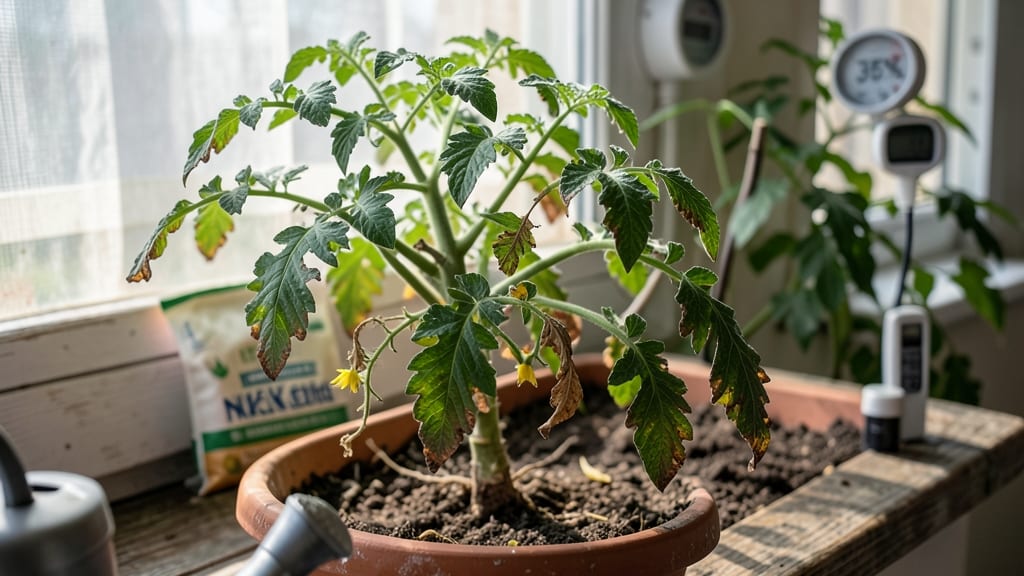
Your houseplant’s leaf tips curling down and crispy is a cry for help—often fungal spot’s sneaky first sign. 🌿 I’ve seen this turn into a full-blown leaf-eating nightmare when ignored, but copper fungicide spray can stop it in its tracks if you act fast.
The key is catching it early, before the spots spread like wildfire across your favorite ferns and succulents.
Most people blame underwatering, but crispy tips usually mean overwatering or humidity too low—fungus thrives in soggy conditions. Check the soil: if it’s damp more than an inch down, you’re watering too much.
Copper spray works because it disrupts the fungus’s cell walls without harming your plants, but you’ll also need to adjust your watering schedule and improve airflow around the leaves.
Within 7-10 days of treatment, new growth should stay crisp and green, not brittle. The spray’s blue tint fades, but the protection lasts—just reapply every 2-3 weeks or after heavy rain.
For prevention, water at the base (not overhead), use pots with drainage holes, and mist leaves lightly in dry climates.
This fix works for houseplants, container gardens, and even veggies like peppers and tomatoes. The same symptoms? Start with copper spray, then tweak care routines. Your plants will thank you with lush, healthy leaves in no time.
Root Causes Of Crispy Leaf Tips
Understanding why your plant’s leaf tips are curling down and turning crispy starts with recognizing the environmental stressors and physiological triggers at play. These issues often stem from a mix of water imbalance, nutrient deficiencies, or pest/fungal pressure—each leaving distinct clues in your plant’s appearance.
Let’s break down the science behind the most common culprits so you can diagnose (and fix!) the problem fast.
When roots sit in soggy soil for too long, they suffocate, starving the plant of oxygen. This triggers a stress response where leaf tips curl downward and develop crispy edges as the plant tries to conserve moisture. Here’s the breakdown:
- Root Rot Connection: Fungal pathogens like Pythium or Phytophthora thrive in waterlogged soil, blocking nutrient uptake and causing necrotic (dead) tissue at the leaf margins.
- Salt Buildup: Overwatering with tap water (high in minerals) leaves behind sodium and chlorine salts, which burn leaf edges over time.
- Cold Stress: If your plant is watered heavily in cool temperatures, roots can’t absorb water efficiently, leading to transpiration imbalance—where leaves lose more moisture than they take in.
🔍 Quick Test: Stick your finger 2 inches into the soil. If it’s damp after 24 hours, you’re overwatering. Fix it by letting the top 3 inches dry out between waterings and repotting into a well-draining mix (add perlite or orchid bark).
Plants are delicate thermometers—when conditions swing too hot, cold, or dry, their cell membranes rupture, causing leaf tips to crisp up like parchment. Common triggers:
- Heat Stress: Temperatures above 90°F (32°C) for prolonged periods cause protein denaturation in leaf cells, leading to scorch-like browning at the edges.
- Cold Drafts: Sudden chills (below 50°F/10°C) or evaporative cooling from wind dry out leaf tips faster than roots can replenish moisture.
- Low Humidity: Indoor plants near heating vents or AC units lose moisture through transpiration, while outdoor plants in dry climates suffer from desiccation.
🌬️ Pro Tip: Group plants together to create a microclimate with higher humidity, or use a pebble tray with water under pots to boost moisture levels.
Crispy leaf tips can signal mineral imbalances, where your plant is either starving or choking on nutrients. The most common offenders:
| Nutrient Issue | Symptoms | Why It Happens |
|---|---|---|
| Calcium Deficiency | Crispy, brown edges (often with curled tips) | Calcium helps regulate cell wall structure; without it, tips weaken and dry out. |
| Magnesium Deficiency | Yellowing between veins + crispy edges | Magnesium is key for chlorophyll production; stress from lack of it causes necrosis. |
| Chlorine/Salt Toxicity | Brown, brittle tips (common with tap water) | Excess salts disrupt osmosis, preventing roots from absorbing water efficiently. |
| Potassium Deficiency | Scorched, curled edges (especially in older leaves) | Potassium regulates water balance; deficiency leads to osmotic stress. |
💡 Fix It: Flush the soil with distilled water (to remove salts), then fertilize with a balanced liquid feed (like 10-10-10) or calcium-rich supplement (e.g., crushed eggshells).
While fungal spots (like those treated with copper fungicide) often cause soft, mushy damage, pests and certain pathogens can also trigger crispy, curled tips by sapping moisture and nutrients:
- Spider Mites: These tiny pests pierce cells to feed on sap, causing stippled, dried-out leaf edges that curl downward.
- Thrips: Their feeding scars disrupt water transport, leading to silvered, crispy tips (common in succulents and herbs).
- **Fungal Leaf Spot (e.g., Alternaria): While spots themselves may not cause crispiness, severe infections weaken the leaf structure, making tips brittle and prone to curling from dehydration.
🔪 Treatment: Wipe leaves with neem oil (for pests) or apply a copper fungicide spray (for fungal pressure). Isolate affected plants to prevent spread.
When roots are crowded or damaged (e.g., after repotting), the plant diverts energy to root recovery instead of leaf health. Signs include:
- Stunted new growth + crispy, curled older leaves.
- Roots circling the pot (visible when gently removed from soil).
⏰ Solution: Repot into a slightly larger container with fresh, airy soil. Trim any black, mushy roots (signs of rot) and avoid watering for 3–5 days to let roots recover.
Household chemicals—like bleach fumes, cigarette smoke, or herbicide drift—can oxidize leaf tissues, causing crispy, curled edges. Even over-zealous cleaning sprays on leaves can strip their protective waxy coating.
🛡️ Prevention: Keep plants away from kitchens, garages, or outdoor spraying areas. If you suspect chemical burn, rinse leaves gently with water and avoid fertilizers** until new growth appears.
How to Fix Crispy Leaf Tips
Now that you know what’s causing those unsightly, crispy leaf edges, let’s roll up our sleeves and get your plants back to their lush, healthy selves! Below are practical, step-by-step solutions tailored to the most common causes—plus prevention tips to keep your greenery thriving long-term.
Problem: Soggy soil leads to root rot, which stresses plants and causes leaf tips to crisp up.
How to Fix It:
- 🔥 Stop Watering Immediately Let the top 1–2 inches of soil dry out completely before watering again. Stick your finger in the soil—if it’s damp, wait.
- 🍳 Improve Drainage
- Add perlite, sand, or orchid bark to heavy clay pots to help excess water escape.
- Repot into a container with drainage holes if yours lacks them.
- 👨🍳 Trim the Damage Snip off crispy tips with sterilized scissors to prevent further spread.
- ⏰ Monitor & Adjust Water only when the soil is dry, and reduce frequency for thirsty plants like succulents.
💡 Pro Tip: Group plants with similar water needs together to avoid over- or underwatering mix-ups!
Problem: Scorching rays or dry air can crisp leaf edges, especially in tropical or houseplants.
How to Fix It:
- 🌡️ Move to Indirect Light Shift plants away from south-facing windows or harsh afternoon sun. A sheer curtain can help filter light.
- 🥗 Boost Humidity
- Place a pebble tray under the pot (fill a tray with water and pebbles, then set the pot on top).
- Mist leaves lightly in the morning (avoid evening misting to prevent fungal issues).
- 🎯 Prune & Protect Trim crispy edges and avoid fertilizing until the plant recovers—it’s already stressed!
✨ Prevention Hack: Rotate pots weekly so all sides get even light exposure.
Problem: Fungal infections (like leaf spot) or nutrient deficiencies can cause curling and crispiness.
How to Fix It:
- 🔪 Apply Copper Fungicide Spray
- Mix 1 tsp copper fungicide in 1 quart of water.
- Spray undersides of leaves (where spores hide) and stems. Repeat every 7–10 days until new growth appears.
- 🌱 Boost Soil Health
- Add compost or worm castings to improve nutrient absorption.
- For copper deficiency, use a chelated copper supplement (follow package instructions).
- 🚫 Quarantine & Clean Up Remove infected leaves immediately and disinfect tools with rubbing alcohol.
💡 Pro Tip: Early morning is the best time to spray—humidity is high, and leaves are dry by afternoon.
Problem: Tap water with fluoride, chlorine, or salts can accumulate and crisp leaf tips over time.
How to Fix It:
- 💦 Switch to Filtered or Rainwater Use a carbon filter or collect rainwater in a clean barrel.
- 🚿 Flush the Soil
- Water the plant thoroughly for 5–10 minutes to leach out built-up salts.
- Repeat weekly until new growth appears.
- 🍎 Avoid Fertilizer for 4–6 Weeks Let the plant recover before reintroducing nutrients.
✨ Prevention Tip: If you must use tap water, let it sit out 24 hours to off-gas chlorine.
Once you’ve addressed the root issue (literally!), follow these steps to help your plant bounce back:
- 🌱 Repot if needed into fresh, well-draining soil.
- 🍃 Reduce stress by avoiding drafts, temperature swings, or sudden light changes.
- 📊 Monitor progress—healthy new growth should appear in 2–4 weeks.
Remember: Patience is key! Some plants take time to recover, but with the right care, those crispy tips will be a thing of the past. 🌱💚
Frequently asked questions
Why do my plant’s leaf tips curl down and get crispy?
This usually happens from overwatering, low humidity, or nutrient imbalances. When roots sit in soggy soil, they can’t absorb water properly, causing leaf tips to dry out. Check soil moisture—if it’s damp more than an inch down, you’re watering too much. Also, dry air (especially near heating vents) or tap water salts can trigger this issue.
Can I save my plant if the leaf tips are already crispy?
Yes! Trim the damaged tips with clean scissors and focus on fixing the root cause. For overwatering, let the soil dry out completely before watering again. If it’s humidity-related, try a pebble tray or group plants together. With proper care, new growth should appear in 2-4 weeks, leaving crispy tips behind.
Is copper fungicide safe for all plants?
Copper fungicide is generally safe for most plants, but avoid using it on edible crops like lettuce or herbs right before harvest (wait 14 days). It’s especially effective against fungal leaf spots, but always test on a small area first. For houseplants, it’s a great solution when crispy tips signal fungal pressure—just spray undersides of leaves where spores hide.
How can I prevent crispy leaf tips in the future?
Start with well-draining soil and pots with drainage holes. Water only when the top 1-2 inches feel dry, and use filtered or rainwater to avoid salt buildup. Increase humidity with pebble trays, and rotate plants weekly for even light exposure. Finally, avoid fertilizing stressed plants—let them recover first!
Could pests be causing my plant’s crispy leaf tips?
Spider mites and thrips suck sap from leaves, causing stippled, dried-out tips that curl downward. Check undersides of leaves for tiny webs or specks. Treat with neem oil or insecticidal soap, and isolate affected plants. If you see both crispy tips and tiny pests, that’s your culprit—copper fungicide won’t help here!