
Neem Oil
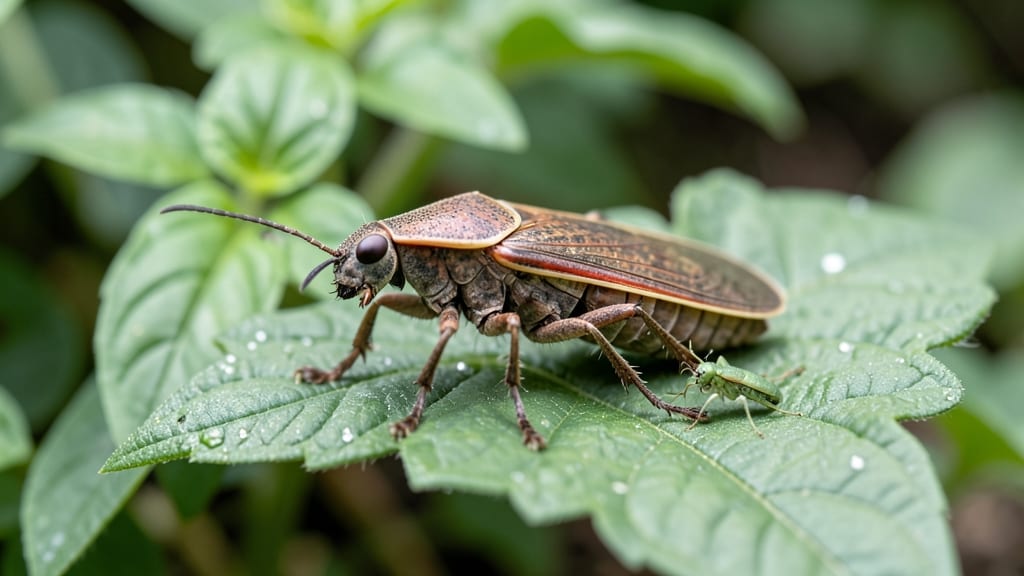
Assassin bugs that hunt leafhoppers? They’re the tiny, hungry heroes your garden needs. 🌿 I’ve seen these predators turn a leafhopper-infested garden into a balanced ecosystem in just a few weeks—no harsh chemicals required.
The key is creating the right habitat: dense foliage, water sources, and a steady supply of leafhoppers (their favorite snack). Release them near infested plants at dawn or dusk when they’re most active. They’ll multiply naturally and keep pest populations in check.
By midseason, you’ll notice fewer skeletonized leaves and more pollinators buzzing around. The best part? They’re safe for beneficial insects and won’t harm your plants—just the pests you’re trying to eliminate. Works for vegetables, ornamentals, and even houseplants. Let’s get those assassin bugs to work for you!
Root Causes of Assassin Bug Infestations
Understanding why these leaf-sucking predators and their prey—leafhoppers—become a problem in your garden or crops starts with ecology, not just pests. Below are the key triggers, broken down for clarity and action.
Assassin bugs and leafhoppers thrive in dense, unmanaged foliage where they can hide, breed, and feed undisturbed.
Overcrowded plants create: - Microclimates with high humidity—ideal for leafhopper eggs and nymphs. - Limited predator access (like birds or spiders) to control populations naturally. - Stress signals in plants that attract more pests (e.g., aphids, which leafhoppers may prey on).
Actionable Fix:
- Prune aggressively to improve airflow and sunlight penetration.
- Space plants according to their mature size (check seed packets for guidance).
- Remove dead leaves/debris where eggs may overwinter.
Plants under stress (from drought, poor soil, or disease) emit chemical cues that pests detect as a "feast invitation."
Leafhoppers and assassin bugs exploit: - Nutrient-deficient plants (e.g., low nitrogen = softer tissue, easier to pierce). - Water-stressed leaves (high sugar content = more attractive to sap-suckers). - Compromised root systems (reduced ability to fight off infestations).
Actionable Fix:
- Test soil pH (ideal: 6.0–7.0 for most plants) and amend with compost or organic matter.
- Water deeply but infrequently to encourage strong root growth (avoid soggy soil).
- Use foliar sprays like fish emulsion (1 tbsp/gallon) to boost plant resilience.
Assassin bugs are beneficial predators, but their populations can spiral when their prey (leafhoppers) explodes due to:
- Pesticide overuse (broad-spectrum sprays kill both pests and their natural enemies).
- Monoculture farming (large swaths of the same plant = easy buffet for leafhoppers).
- Loss of biodiversity (fewer flowers/herbs = fewer alternative food sources for assassin bugs).
Actionable Fix:
- Rotate crops to break pest life cycles.
- Plant companion flowers (e.g., marigolds, dill) to attract assassin bugs and their prey.
- Avoid synthetic pesticides—opt for neem oil (targets leafhoppers but spares predators like assassin bugs).
Sometimes, how we manage our spaces invites these bugs in:
- Firewood or potted plants from infested areas (leafhoppers hitchhike easily).
- Poor drainage near foundations (creates damp hiding spots for nymphs).
- Landscaping with host plants (e.g., roses, grapes, or citrus—favorites of leafhoppers).
Actionable Fix:
- Inspect new plants for eggs/nymphs before bringing them indoors.
- Seal gaps in window screens or eaves to block adult assassin bugs from entering homes.
- Choose resistant varieties (e.g., disease-resistant tomatoes or peppers).
Warmer winters and erratic rainfall extend pest seasons, giving leafhoppers more time to reproduce. Assassin bugs may then overpopulate in response to the abundant food supply.
- Mild winters = more surviving leafhopper eggs.
- Early springs = synchronized hatching of both pests and predators.
Actionable Fix:
- Monitor plants weekly in spring/fall (peak activity periods).
- Use reflective mulch (aluminum foil or silver plastic) to deter leafhoppers with light.
- Apply neem oil preventatively in early spring before eggs hatch.
Pro Tip: 💡 Assassin bugs are helpful—don’t kill them! If you see one, relocate it to a pest-heavy area (like a nearby bush) rather than swatting it. The key is balancing their presence with leafhopper control.
Practical ways to eliminate these pests
Eliminating leafhopper and assassin bug infestations requires a mix of immediate action and long-term prevention. Below, we’ve mapped out targeted solutions based on the root causes—so you can tackle the problem efficiently without guesswork.
Cause: Leafhoppers and assassin bugs thrive in dense foliage and hidden crevices. Fix:
- Prune plants regularly 🌿 to improve airflow and reduce hiding spots.
- Clear debris (leaves, branches, mulch) from garden beds and around structures.
- Store firewood and lumber at least 20 feet away from your home.
💡 Pro Tip: Use neem oil spray (1 tsp per quart of water) on plants to deter egg-laying. Apply in the evening for best results.
Cause: These pests feed on plant sap and multiply rapidly. Fix:
- Mix neem oil solution: Combine 1 tbsp neem oil + 1 tsp mild dish soap + 1 quart of water in a spray bottle.
- Spray thoroughly on affected plants, focusing on undersides of leaves (where eggs and nymphs hide).
- Reapply every 5–7 days until infestation clears (usually 2–3 weeks).
⚠️ Warning: Avoid spraying neem oil on windy days or when bees are active.
Cause: Assassin bugs (like wheel bugs) hunt other pests but can become invasive. Fix:
- Place yellow sticky traps near infested areas to catch adult bugs.
- Use a vacuum (with a fine mesh bag) to suck up bugs from walls, windowsills, and furniture.
- Set up a DIY trap: Fill a jar with soapy water and place it near entry points (they’ll fall in and drown).
🌡️ Temperature Hack: Assassin bugs are less active in cool weather—time treatments for early morning or late evening.
Cause: These pests sneak in through gaps, cracks, and vents. Fix:
- Caulk cracks in walls, doors, and windows.
- Install fine mesh screens on vents and gaps around pipes.
- Check for moisture leaks—fix dripping faucets or roof leaks to remove their attraction.
🎯 Prevention Table:
| Problem Area | Solution | Frequency |
|---|---|---|
| Garden beds | Neem oil spray + pruning | Weekly (as needed) |
| Indoor crevices | Vacuuming + sealing gaps | Monthly |
| Outdoor structures | Yellow traps + debris removal | Biweekly |
Final Thought: Consistency is key—neem oil + traps + prevention will break their life cycle. Stay vigilant, and your garden (and home) will stay pest-free! 🚫🐜
Frequently asked questions
Are assassin bugs harmful to humans?
Most assassin bugs are harmless to humans, but a few species (like wheel bugs) can deliver a painful bite if provoked. They rarely bite unless handled roughly, and their venom isn't dangerous. If you see one indoors, gently relocate it outside rather than swatting it.
How do I attract more assassin bugs to my garden?
Plant dense foliage like herbs (dill, fennel) or flowering plants (marigolds, alyssum) to create hiding spots and food sources. Leave some leafhoppers as a food supply, and avoid broad-spectrum pesticides. They’ll naturally migrate to areas with abundant prey.
Can assassin bugs control other pests besides leafhoppers?
Yes! They hunt aphids, caterpillars, beetles, and even small spiders. Their diverse diet makes them excellent natural pest controllers. Just ensure they have enough leafhoppers to thrive—without them, they may seek alternative prey like beneficial insects.
What’s the best time of day to release assassin bugs?
Release them at dawn or dusk when temperatures are cooler and humidity is higher. This reduces stress on the bugs and increases their chances of staying in your garden. Avoid releasing them on hot, sunny days—they’ll seek shade and may leave.
How long does it take for assassin bugs to establish in my garden?
With ideal conditions (food, shelter, and water), they can start controlling leafhopper populations in 2–4 weeks. Their numbers grow quickly as they reproduce, so consistency in habitat support is key. Monitor plants weekly for signs of improvement.