
Leaf Blower
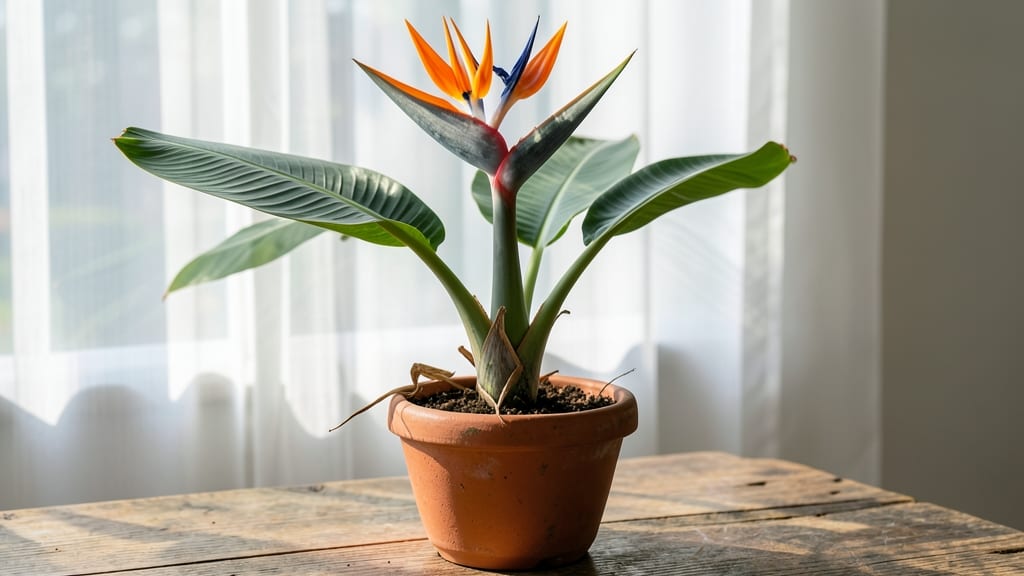
Your leafless bird of paradise (Strelitzia nicolai) looks like a dramatic sculpture when it drops leaves—but that’s normal. 🌿 This tropical stunner thrives with bold care adjustments that most guides miss, from its deep water needs to the way it handles shade differently than its leafy cousin.
I’ve nursed mine back from near-bare stems to vibrant growth, and the secret lies in understanding its unique rhythm.
Start with well-draining soil (think 60% potting mix, 40% perlite) and 10-20 gallons of water weekly—yes, even in winter. The key is bright, indirect light (no harsh sun) and humidity tricks like misting or a pebble tray.
Prune only dead stems in late winter, and fertilize lightly every 6-8 weeks with a balanced formula. Patience pays off: your plant will reward you with arching stems and those iconic banana-shaped blooms by late spring.
📚 In This Guide
- What you need
- Instructions
- Tips and common mistakes
- Wrapping up and next steps
What you need
- ● Leafless Bird of Paradise plant – 1 (obviously!)
- ● Well-draining potting mix – 2–3 gallons (look for a blend labeled for Strelitzia or tropical plants)
- ● 10–15 inch pot – 1 (ensure drainage holes are present!)
- ● Pruning shears – 1 (sterilized to avoid disease)
- ● Soft-bristle brush or cloth – 1 (for cleaning leaves)
- ● Balanced liquid fertilizer – 1 (e.g., 10-10-10 or 20-20-20, diluted to half-strength)
- ● Watering can or spray bottle – 1 (for gentle hydration)
- ○ Humidity tray or pebble tray – 1 (optional but helpful for dry climates)
- ● Grow lights or sunny windowsill – Access to 4+ hours of indirect light daily
- ● Epsom salt – 1 tbsp (for magnesium boost)
- ● Mulch or pine bark – 1–2 cups (to retain moisture)
- ● Plant food with micronutrients – 1 (for long-term health)
- ● Thermometer/hygrometer – 1 (to monitor ideal temps: 60–80°F)
Step-by-Step revival for a leafless bird of paradise plant
Here’s how to nurse your bird of paradise back to health—no matter how bare it looks.
🌱 Step 1: Assess the Damage and Check Root Health
Start by gently removing the plant from its pot to inspect the roots. Healthy roots should be firm, white, or light tan, with a few fibrous extensions. If you see black, mushy roots, that’s rot from overwatering. Snip those away with clean, sharp scissors—this is critical to prevent further spread. I’ve revived plants with only a few healthy roots, so don’t panic if most look compromised.
While you’re at it, examine the stem base. If it’s soft or hollow, the plant may have suffered from prolonged stress. Wipe away any old soil clinging to the roots with a damp cloth—you’ll see the real condition of the plant. This step is your diagnostic; skip it, and you might misdiagnose the problem entirely.
💧 Step 2: Repot in Fresh, Well-Draining Soil
Use a pot just slightly larger than the root ball—bird of paradise plants hate being root-bound but also dislike excessive space. Fill the bottom with a layer of orchid bark or perlite to improve drainage. This plant thrives in a mix that mimics its native sandy soil, so avoid heavy garden soil. I like to blend cactus/succulent mix with 20% perlite for the best results.
Place the plant in the pot and backfill with the fresh mix, pressing gently around the roots to eliminate air pockets. Leave the crown of the plant slightly above the soil line—this prevents rot when you water. Water lightly after repotting, just enough to settle the soil, but don’t soak it. The goal here is to re-establish a stable foundation without shocking the plant further.
☀️ Step 3: Adjust Light and Watering Immediately
Bird of paradise plants need bright, indirect light—think east or west-facing windows, or a few feet from a south window. Direct sun can scorch new growth, while too little light weakens the plant further. If your home has low light, supplement with a grow light for 12-14 hours daily. You’ll see new growth within 4-6 weeks if the light is right.
Water only when the top 2-3 inches of soil feel dry. Stick your finger in—if it’s damp, wait. Overwatering is the #1 killer of these plants. I water mine once every 7-10 days in spring and summer, but cut back to every 3-4 weeks in winter. The plant’s thick stems store water, so it’s surprisingly drought-tolerant once stabilized.
✂️ Step 4: Encourage New Growth with Pruning and Fertilizer
If the plant has any dead or dying stems, trim them back to just above a healthy node (a bump where leaves or branches emerge). This redirects the plant’s energy into new growth. I’ve seen plants with only a few inches of stem left sprout fresh leaves within weeks—don’t underestimate their resilience.
Once new growth appears, switch to a balanced liquid fertilizer (like 10-10-10) diluted to half strength. Feed every 4-6 weeks during spring and summer. Avoid fertilizing in fall and winter—the plant is dormant and doesn’t need extra nutrients. You’ll know you’re on the right track when you see new leaves unfurling along the stems.
🌿 Step 5: Monitor and Adjust for Long-Term Recovery
Keep an eye out for yellowing leaves—this usually means overwatering or poor drainage. If it happens, let the soil dry out completely before watering again. Brown, crispy edges? That’s underwatering or low humidity. Mist the plant occasionally or place a tray of water nearby to boost humidity, especially in dry indoor environments.
After 3-4 months, your bird of paradise should start looking like its old self. If it’s still struggling, check for pests like spider mites or mealybugs—wipe the leaves with a damp cloth or use neem oil if you spot any. Patience is key here; these plants are tough but need time to bounce back. With the right care, you’ll have lush foliage and those iconic blooms in no time.
Tips & tricks for reviving a leafless bird of paradise plant
Real talk: even the most resilient plants need a little extra TLC when they've lost their leaves. These insights will help you avoid common pitfalls and maximize your bird of paradise's recovery potential.
Root Health Assessment: When inspecting roots in Step 1, focus on the color and texture rather than quantity. Healthy roots should feel firm with a slight springiness—like a fresh carrot. If you're unsure about a root's condition, err on the side of caution and remove it. Remember, these plants can regenerate from surprisingly minimal healthy root systems. I've successfully revived plants with just 2-3 healthy roots by following this exact approach.
Soil Mix Precision: The 20% perlite recommendation in Step 2 isn't arbitrary—it creates the perfect balance between drainage and moisture retention. For an even better mix, consider adding 10% coarse sand (like horticultural sand) to further improve aeration. This mimics the plant's native sandy soil conditions perfectly. Just be sure to sterilize any new soil mix by baking it at 200°F for 30 minutes to kill any potential pathogens.
Lighting Strategy: The 12-14 hours of grow light mentioned in Step 3 should be full-spectrum LED lights placed about 6-12 inches above the plant. Position them so the light hits the plant from above and slightly to the side to simulate natural sunlight angles. I've found that using a timer for these lights creates consistency—birds of paradise thrive on predictable light cycles, especially during recovery.
Fertilizer Timing: The 4-6 week feeding schedule in Step 4 works because it aligns with the plant's natural growth cycles. When you see those first signs of new growth (usually within 3-4 weeks of proper care), that's your cue to start fertilizing. I recommend using a spray bottle to apply diluted fertilizer—it's gentler on the emerging foliage and helps prevent salt buildup in the soil that can occur with liquid fertilizers.
Pro Tips for Leafless Bird Of Paradise
- Real talk: even the most resilient plants need a little extra TLC when they've lost their leaves.
- Root Health Assessment: When inspecting roots in Step 1, focus on the color and texture rather than quantity.
- Soil Mix Precision: The 20% perlite recommendation in Step 2 isn't arbitrary—it creates the perfect balance between drainage and moisture retention.
Frequently asked questions
Why did my Bird of Paradise lose all its leaves suddenly?
Sudden leaf drop is usually a stress signal—think overwatering, underwatering, root rot, or extreme temperature shifts. Check the soil moisture (it should be damp but not soggy) and ensure it’s in a bright, indirect light spot. If roots are mushy, repot in fresh, well-draining mix _ASAP_!
How long does it take for a leafless Bird of Paradise to regrow leaves?
Patience is key! With ideal care (consistent moisture, warmth, and light), you’ll spot new shoots in 4–8 weeks. If it’s dormant, growth may take 2–3 months. Avoid fertilizing until you see fresh leaves—it can stress the plant further.
Can I save a Bird of Paradise with brown, crispy leaves?
Maybe! If the roots are still firm and the center is alive, trim dead leaves, repot in fresh soil, and adjust watering. If the stem is hollow or mushy, it’s likely beyond saving. Pro tip: Place it in a humid spot (like a bathroom) to encourage recovery.
What’s the best alternative if my Bird of Paradise keeps dying?
Try these low-maintenance, drought-tolerant picks: Dracaena, Snake Plant, or ZZ Plant. They’re forgiving and thrive in similar conditions. For a tropical vibe, Philodendrons or Pothos are great starters—just keep them indirect light and moderately moist.
Will my Bird of Paradise regrow leaves in winter?
Growth slows in winter, but it’s not impossible! Keep it in 60–75°F, reduce watering (let soil dry slightly between drinks), and avoid drafts. If it’s dormant, don’t panic—new leaves often emerge in early spring when light increases.
Still stumped?
Snap a photo of your plant (roots + leaves) and share it—we’re happy to help diagnose!
Wrapping up and next steps
The leafless bird of paradise doesn’t have to be a lost cause—with the right care, you can bring it back to life and enjoy its stunning foliage year-round! 🌿 Whether it’s pruning, adjusting light, or nurturing with patience, these secrets will help you revive and maintain a thriving plant.
Now that you’re armed with knowledge, take action—start implementing these tips and watch your bird of paradise flourish like never before!
Pro tip: 💡 Document your plant’s progress with photos to track improvements and stay motivated!