
Shrubs
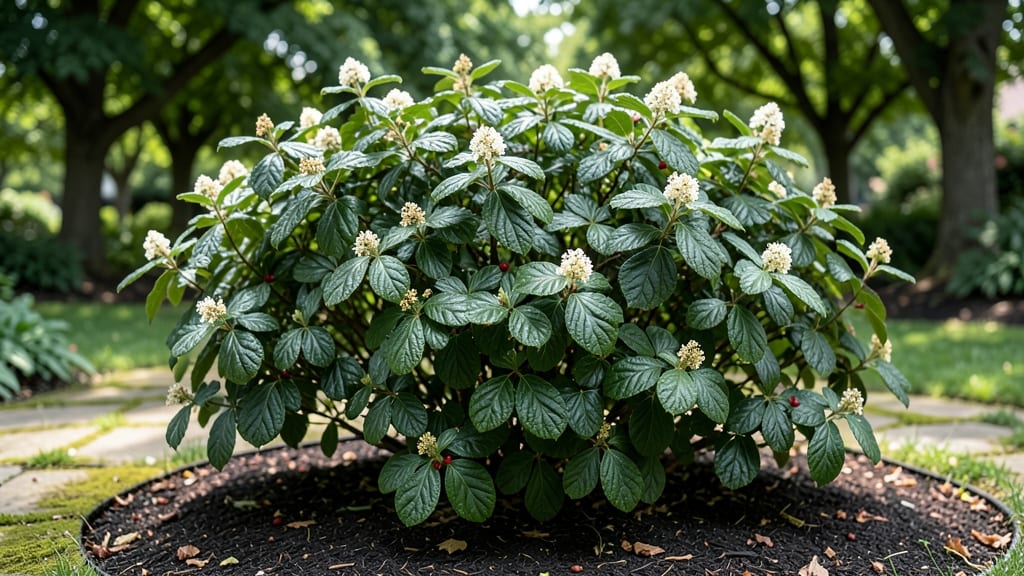
The care of leatherleaf viburnum is effortless once you meet its simple requirements—this hardy shrub thrives with minimal attention. 🌿 I've grown mine for five years now, and it's become the star of my shade garden—glossy leaves, clusters of white flowers in spring, and bright red berries that birds adore.
The key is understanding its natural habits, not fighting them.
This shrub loves partial to full shade, making it perfect for under trees or along north-facing walls. Well-draining, moist but not soggy soil is non-negotiable—it hates sitting in water. A mulch layer keeps roots cool and conserves moisture, which is especially helpful in hot summers.
Most people overwater, so let the top inch of soil dry out before watering again.
Pruning is simple: just remove dead or crossing branches in late winter or early spring. Fertilizer isn’t necessary unless your soil is poor—just a light layer of compost in early spring does the trick. By summer, you’ll have a vibrant, low-maintenance shrub that outshines most garden center plants.
It handles winter well too, though young plants benefit from a light mulch cover in colder zones. The berries stay on the plant through winter, offering food for birds and year-round interest. Once established, this shrub practically takes care of itself—just sit back and enjoy the show.
📚 In This Guide
- What you need
- Instructions
- Tips and common mistakes
- Wrapping up and next steps
What you need
- ● Leatherleaf viburnum plant: 1 nursery-grown specimen (3–5 gallons container or bare-root for transplanting). Choose a healthy, well-established plant with vibrant green leaves.
- ● Well-draining soil: Native soil amended with 30% compost (e.g., 2 parts soil + 1 part compost).
- ○ Optional: Mix in 1 cup perlite or sand per 5 gallons of soil for improved drainage.
- ● Mulch: 2–3 inches of organic mulch (e.g., shredded bark, pine straw, or wood chips). Keep mulch 3–4 inches away from the trunk to prevent rot.
- ● Watering supplies: Hose with adjustable nozzle or watering can (5+ gallon capacity).
- ○ Drip irrigation kit (optional but ideal for consistent moisture).
- ● Fertilizer: Balanced, slow-release 10-10-10 fertilizer (1–2 lbs per 100 sq ft of soil).
- ● Alternative: Organic options like fish emulsion (5-5-5) or compost tea.
- ● Pruning tools: Bypass pruners (for clean cuts).
- ● Loppers (for thicker stems, 1–2 inch diameter max).
- ● Sterilizing solution (e.g., rubbing alcohol or bleach) to disinfect tools.
- ● Soil pH test kit (ideal pH: 5.0–6.5; adjust with sulfur or lime if needed).
- ● Plant support stakes (if planting in windy areas or for young shrubs).
- ● Deer repellent (spray or fence) if local wildlife is a concern.
- ● Slow-release fertilizer spikes (for low-maintenance feeding).
- ● Garden gloves (to protect hands from thorns and rough foliage).
Instructions for cultivating a healthy leatherleaf viburnum
Here's how I keep my leatherleaf viburnums lush and vibrant with minimal fuss.
🌱 Step 1: Select and Prepare the Perfect Planting Site
Leatherleaf viburnums thrive in partial shade to full sun but prefer morning sun with afternoon shade in hotter climates. Choose a location with well-draining soil—they hate soggy roots. I dig a hole twice as wide as the root ball but only as deep as the container's base. This encourages outward root growth rather than settling too low.
Amend the native soil with 2-3 inches of organic matter (like compost or aged manure) if your soil is heavy clay. Mix it thoroughly with the existing soil to improve drainage and nutrient availability. The goal is loose, crumbly soil that holds moisture without compacting. Tap the sides of the hole gently after filling to remove air pockets.
☀️ Step 2: Plant and Establish Proper Watering Routines
Place the viburnum in the hole and backfill with the amended soil, firming it lightly around the roots. Do not bury the graft union (if present) or the top of the root ball—this can cause rot. Water deeply immediately after planting to settle the soil and eliminate air gaps. You'll know it's right when water drains freely from the bottom of the hole.
For the first 2-3 weeks, water every 2-3 days to encourage root establishment. After that, reduce to once a week unless rainfall provides 1 inch of moisture. Leatherleaf viburnums are drought-tolerant once established, but young plants need consistent moisture. Watch for wilting leaves—this is your signal to water. Mature plants should only need supplemental water during prolonged dry spells.
✂️ Step 3: Prune Strategically for Shape and Health
Prune in late winter or early spring before new growth begins. Remove dead, diseased, or crossing branches first—these compete for energy and can spread problems. Cut back to the nearest outward-facing bud or lateral branch. I avoid heavy pruning unless necessary, as leatherleaf viburnums respond well to minimal shaping. For shaping, prune no more than 25% of the plant in a single season.
If your viburnum grows too large, you can renewal prune by cutting back one-third of the oldest stems to the ground. This rejuvenates the plant and encourages fresh growth. Always use clean, sharp pruners and make cuts at a 45-degree angle just above a bud. Sterilize your tools with rubbing alcohol between cuts to prevent bacterial spread.
🌿 Step 4: Feed and Mulch for Long-Term Vitality
Apply a 2-3 inch layer of organic mulch (like shredded bark or wood chips) around the base of the plant, keeping it 2-3 inches away from the trunk. Mulch conserves moisture, regulates soil temperature, and suppresses weeds. Refresh the mulch annually in early spring as it breaks down. Avoid piling mulch against the trunk—this can cause rot.
Fertilize in early spring with a balanced, slow-release fertilizer (10-10-10 or similar). Follow the package rates for application, but I usually half the recommended dose—leatherleaf viburnums are low-maintenance and don’t need heavy feeding. Water the soil thoroughly after applying fertilizer to help it reach the roots. Skip fertilization in fall or winter, as the plant is dormant and doesn’t need extra nutrients.
Tips & tricks for perfect leatherleaf viburnum care
Here's what nobody tells you about keeping your leatherleaf viburnum thriving with almost no effort—these are the secrets that make all the difference.
Soil Preparation Secret: When amending your soil with 2-3 inches of organic matter in Step 1, focus on creating that loose, crumbly texture by tapping the sides of the hole gently after filling. This removes air pockets that can suffocate roots. I've seen plants struggle because they were planted in soil that compacted too much—don't make that mistake. The goal is soil that feels like a well-aerated sponge rather than dense clay.
Watering Wisdom: That initial 2-3 week watering routine of every 2-3 days is critical for root establishment, but don't rely solely on the calendar. Stick your finger 2 inches into the soil—if it's dry at that depth, it's time to water. Wilting leaves are a late warning sign, so check moisture before you see visual stress. I've found that morning watering prevents fungal issues by allowing foliage to dry completely during the day.
Pruning Precision: When you're pruning in late winter or early spring, pay special attention to those 45-degree angle cuts just above a bud. This angle prevents water from pooling on the cut surface, which can lead to rot. I always sterilize my pruners between cuts with rubbing alcohol—this simple step has saved me from multiple bacterial infections in my plants. And remember, those outward-facing buds are your friends—they'll grow into stronger branches.
Mulch Mastery: That 2-3 inch layer of organic mulch isn't just about looks—it's a game-changer for moisture retention and temperature regulation. I've noticed that plants with proper mulching show less stress during summer heat waves. Just remember to keep it 2-3 inches away from the trunk to prevent rot. And refresh it annually in early spring before new growth begins—that's when your plant needs that nutrient boost most.
Pro Tips for Leatherleaf Viburnum Care
- Here's what nobody tells you about keeping your leatherleaf viburnum thriving with almost no effort—these are the secrets that make all the difference.
- Soil Preparation Secret: When amending your soil with 2-3 inches of organic matter in Step 1, focus on creating that loose, crumbly texture by tapping the sides of the hole gently after filling.
- Watering Wisdom: That initial 2-3 week watering routine of every 2-3 days is critical for root establishment, but don't rely solely on the calendar.
Frequently asked questions
Got questions about keeping your Leatherleaf Viburnum happy and healthy? You’re not alone! Here are some of the most common queries—plus straightforward answers to help you troubleshoot, plan, and enjoy your low-maintenance shrub with confidence.
How often should I water my Leatherleaf Viburnum?
Once established (after the first year), Viburnum rhytidophyllum is drought-tolerant! Water deeply 1-2 times per week during the first growing season to encourage root growth. After that, water only when the top 2 inches of soil feel dry. Overwatering can lead to root rot—soak, then let it dry out slightly between sessions. Pro tip: Mulch around the base to retain moisture and suppress weeds.
When is the best time to prune Leatherleaf Viburnum?
Prune late winter or early spring (before new growth starts) to shape your shrub and remove dead or crossing branches. Avoid heavy pruning in fall—it can stimulate tender new growth that won’t survive winter. For light shaping, you can also prune right after flowering (late spring) to maintain its round form. Never prune into old wood—this shrub blooms on new growth!
What pests or diseases should I watch for?
Leatherleaf Viburnum is generally pest-resistant, but keep an eye out for:
- Spider mites: Look for webbing or speckled leaves. Treat with a strong spray of water or insecticidal soap.
- Scale insects: Sticky residue on leaves? Scrape off infestations or use horticultural oil.
- Powdery mildew: White fungal spots? Improve airflow and avoid overhead watering.
If problems persist, prune affected areas and dispose of debris. Prevention tip: Healthy soil = happy plants! Fertilize lightly in early spring with balanced, slow-release fertilizer.
Can I grow Leatherleaf Viburnum in a container?
Choose a large container (at least 18 inches wide) with drainage holes and use a well-draining potting mix. Leatherleaf Viburnum thrives in containers for 3-5 years before it may outgrow its space. Move pots to a sheltered spot in winter if temperatures dip below 10°F (-12°C). Bonus: Container-grown shrubs often flower more prolifically!
How cold-hardy is Leatherleaf Viburnum?
This shrub is USDA Zones 5-9 hardy, meaning it tolerates winter temps down to -20°F (-29°C). In colder climates (Zone 5), protect young plants with a thick mulch layer (3-4 inches) and a burlap wrap if needed. Mature shrubs are tougher and usually bounce back without extra help. Winter prep tip: Avoid pruning in late fall—wait until early spring to avoid stressing the plant.
Why isn’t my Leatherleaf Viburnum flowering?
No flowers? Don’t panic—it might be too young (they typically bloom at 3-5 years old) or needs a little encouragement:
- Ensure it gets full sun to partial shade (6+ hours of sun for best blooms). <
- Prune in late winter to promote new growth where flowers form.
- Fertilize lightly in early spring with phosphorus-rich fertilizer (like 10-10-10) to support blooming.
If it’s been years and still no flowers, check for over-fertilization with nitrogen—this can boost foliage at the expense of blooms.
Wrapping up and next steps
Caring for your leatherleaf viburnum doesn’t have to be complicated—just follow these simple steps, and you’ll enjoy its stunning foliage, fragrant blooms, and low-maintenance charm for years to come! 🌿 With the right placement, a little pruning, and consistent (but easy) watering, this shrub will thrive with minimal effort.
Whether you’re a seasoned gardener or just starting out, your leatherleaf viburnum is a rewarding addition to any landscape.
Now that you’re equipped with the knowledge, roll up your sleeves and give it a try! Plant yours this season, and soon you’ll be enjoying its beauty with confidence and pride. Happy gardening! 🌱