
Leaf Blower
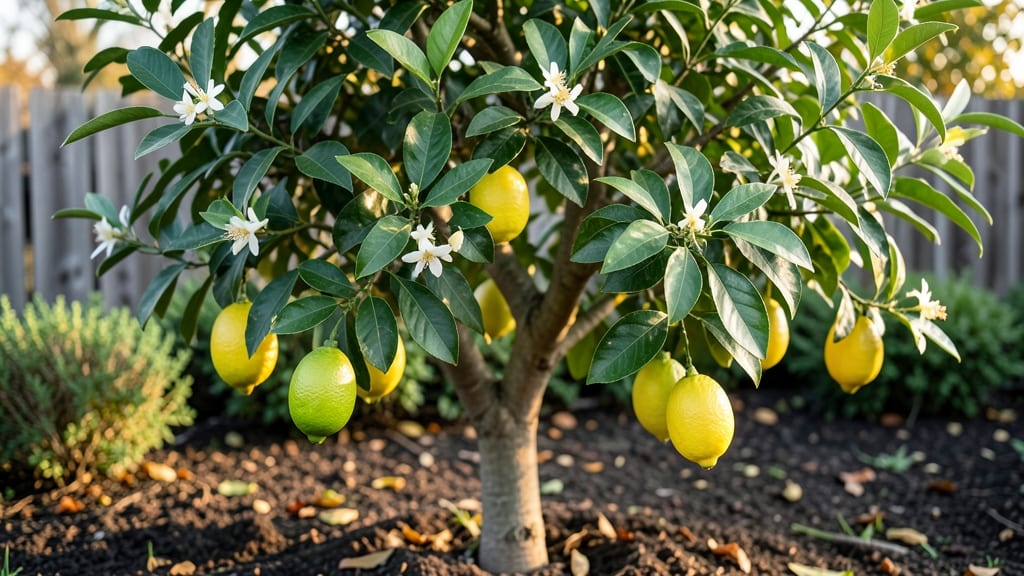
That signature lemon leaf shape isn't just pretty—it's a plant's secret weapon for thriving in your garden. 🌿 I've pruned everything from Meyer lemons to lemon balm, and those distinctive, glossy leaves tell you exactly how to care for them.
The shape signals light needs, water preferences, and even when it's time to trim. Pruning lemon-shaped leaves isn't about cutting back randomly—it's about encouraging the plant's natural growth patterns.
For citrus, you'll want to remove crowded branches to improve airflow, while lemon balm responds best to regular shearing to keep it bushy. The key is timing: late winter for citrus and spring for herbs. That way, you're shaping the plant when it's ready to burst with new growth.
📚 In This Guide
- What you need
- Instructions
- Tips and common mistakes
- Wrapping up and next steps
What you need
- ● Pruning shears: Bypass pruners (sharp, clean, and sterilized with rubbing alcohol) for clean cuts. Choose 5-inch blades for medium branches.
- ● Loppers: Bypass-style with 8-10-inch handles for thicker branches (up to 1.5 inches in diameter).
- ● Hand pruners: Anvil-style (for smaller trimming tasks) with 4-inch blades—great for detailed work.
- ● Safety gear: Gloves (gardening-grade, cut-resistant for thorns)
- ● Safety goggles (to protect from debris)
- ● Long sleeves/pants (to avoid scratches)
- ● Disinfectant: 70% isopropyl alcohol or hydrogen peroxide (3%) to sterilize tools between cuts.
- ● Rags or paper towels: For wiping tools and drying sap.
- ● Measuring tape: 10-foot for assessing branch lengths and spacing.
- ● Ladder or step stool: Sturdy and stable (if your tree is over 6 feet tall).
- ● Trash bag: For collecting pruned branches and debris.
- ● Tree wound dressing: Pruning sealant (controversial but useful for large cuts to prevent disease).
- ● Spray bottle with water: To dampen tools if sap gets sticky.
- ● Sketch or reference photo: Of your desired lemon leaf shape for inspiration.
- ● Permanent marker: For marking cuts before pruning.
- ● Extension pole pruners: For high branches (if you lack a ladder).
Step-by-Step guide to pruning lemon trees for dramatic foliage
Transform your lemon tree into a year-round showstopper with this simple pruning method.
🌿 Step 1: Identify and Remove Dead or Diseased Branches
Start by inspecting your lemon tree for any branches that look brown, brittle, or have blackened spots—these are dead or diseased and need immediate removal. Use clean, sharp pruning shears to cut just outside the branch collar where it meets the main trunk. This prevents unsightly stubs and helps the tree heal faster.
I always check the underside of leaves too—yellowing or curling often signals trouble. If you find any, snip those branches back to healthy green growth. Healthy leaves should feel firm and smell fresh, not musty or damp. This first cut keeps your tree strong and sets the stage for better foliage.
✂️ Step 2: Shape the Tree for Balance and Airflow
Step back and visualize your lemon tree as a work of art. Aim for a rounded, open shape that lets sunlight reach the center—this encourages lush foliage growth. Start by cutting back any branches growing inward or crossing over others. These compete for sunlight and nutrients, leading to sparse, weak leaves.
Focus on removing about 20-30% of the tree’s total branches in this step. I like to keep the lowest branches about 3-4 feet from the ground—this makes harvesting easier and keeps the tree’s energy focused on producing bold, healthy leaves. Always cut at a 45-degree angle just above an outward-facing bud to encourage new growth in the right direction.
☀️ Step 3: Prune for Sunlight and Leaf Density
Now, thin out the foliage to let bright, direct light penetrate to the inner branches. This is where the drama happens—sunlight triggers vibrant, glossy leaves. Look for clusters of leaves growing too densely and remove every other branch to create space. You’ll see new shoots emerge within 4-6 weeks, filling in gaps with fresh, lush growth.
Pay special attention to the top of the tree—if it’s too heavy with leaves, the branches can bend or break. Trim back the longest branches by about one-third to encourage a more compact, balanced shape. This also prevents overcrowding, which can lead to smaller, weaker leaves. Think of it like giving your tree a haircut for maximum volume and shine.
⏰ Step 4: Time Your Pruning for Best Results
Prune your lemon tree in late winter or early spring, just as new growth begins to appear. This timing ensures the tree has plenty of energy to recover and produce bold, healthy leaves before the growing season peaks. Avoid pruning in fall or winter—this can stress the tree and leave it vulnerable to cold or disease.
If you’re pruning a mature tree, spread the work over 2-3 sessions to avoid shocking the plant. After each cut, water deeply to help the tree recover. You’ll notice new leaves emerging within 2-3 weeks—these will be larger, brighter, and more dramatic than before. This is your reward for a job well done.
🌱 Step 5: Maintain Year-Round with Light Trims
Once your lemon tree is shaped, keep it looking its best with light maintenance pruning throughout the year. Remove any branches that grow too long or leggy, and trim back any suckers (shoots growing from the base of the tree). These small adjustments encourage continuous, even growth and prevent the tree from becoming top-heavy.
I also like to give my tree a light haircut in mid-summer to promote a second flush of leaves. Just trim back the tips of the longest branches by about an inch or two—this stimulates bushier growth. With consistent care, your lemon tree will become a year-round foliage star, with bold, glossy leaves that turn every season into a showstopper.
Tips & tricks for perfect lemon tree pruning
These simple strategies will help you transform your lemon tree into a lush, year-round foliage showstopper.
Tool Prep: Sharpen your pruning shears before you start—dull blades tear branches, causing more damage and slowing healing. I always wipe the blades with rubbing alcohol between cuts to prevent spreading disease. A small pair of gloves also helps protect your hands from thorns and sap. This small prep step makes all the difference in clean, professional cuts.
Visual Cues for Healthy Growth: When pruning in Step 3, look for branches where leaves are spaced more than an inch apart—these are ready for thinning. Healthy branches should have a slight green tint when you scrape a small section of bark. If you see white or brown underneath, that branch needs removal. The goal is to create a tree where sunlight can reach all the way to the center, not just the outer leaves.
Seasonal Timing Secret: The late winter to early spring timing in Step 4 is crucial because it coincides with the tree's natural dormancy period. If you're in a warmer climate, you can prune slightly later, but never after new growth appears. I've learned this the hard way—pruning too late in the season can stimulate tender new growth that gets damaged by cold snaps. Watch for tiny green buds forming at the tips of branches as your cue to start.
Maintenance Hack: For that mid-summer haircut in Step 5, I set a reminder on my phone for July 1st each year. A quick trim then encourages a second flush of leaves that keeps your tree looking vibrant through the hottest months. Just remove about an inch from the tips of the longest branches—this stimulates bushier growth without shocking the tree. Think of it as a quick refresh rather than major surgery.
Pro Tips for Lemon Leaf Shape
- These simple strategies will help you transform your lemon tree into a lush, year-round foliage showstopper.
- Tool Prep: Sharpen your pruning shears before you start—dull blades tear branches, causing more damage and slowing healing.
- Visual Cues for Healthy Growth: When pruning in Step 3, look for branches where leaves are spaced more than an inch apart—these are ready for thinning.
Frequently asked questions
Got questions about shaping your lemon tree leaves for that dramatic, year-round foliage? You’re not alone! Here are the most common queries—and straightforward answers—to help you prune like a pro.
Why does my lemon tree’s leaf shape matter?
Leaf shape impacts aesthetics, airflow, and fruit production. Pruning for bold, symmetrical shapes (like fan or spiral patterns) encourages healthier growth and reduces disease risk by improving sunlight exposure. Plus, it’s a showstopper in your garden!
When’s the best time to prune lemon leaves for shape?
Prune in late winter or early spring (before new growth) or right after harvest (fall). Avoid heavy pruning in summer—it stresses the tree. Light trims can happen year-round, but major reshaping waits for dormant seasons.
How do I fix uneven or messy leaf shapes after pruning?
Start with clean cuts at a 45° angle (just above a leaf node). For uneven edges, gradually trim small sections over time—never remove more than 25% of the foliage at once. Step back often to check symmetry!
Can I use lemon leaf shapes on dwarf or container-grown trees?
Dwarf varieties (like Meyer lemon) thrive with miniaturized shapes. Use smaller tools (like bypass pruners) and focus on proportional trims. Just ensure containers have drainage—root-bound stress = unhappy leaves!
What if my lemon tree’s leaves turn yellow or drop after pruning?
Yellowing or shedding can mean over-pruning or nutrient shock. Water deeply, fertilize with citrus-specific food, and avoid heavy trims for 3–4 weeks. New growth should bounce back in 6–8 weeks!
Wrapping up and next steps
Mastering the art of shaping lemon leaves isn’t just about aesthetics—it’s about revitalizing your plant and creating a stunning, year-round display! 🌿 Whether you’re trimming for health, form, or drama, the key lies in patience, precision, and regular care.
Your lemon tree will thank you with lush, vibrant foliage that turns heads (and maybe even a few jealous glances from neighbors!).
Ready to take your pruning skills to the next level? Start small—pick one technique from this guide and practice it weekly. Before you know it, you’ll be crafting leafy masterpieces with confidence. Happy pruning! ✂️✨