
Planting
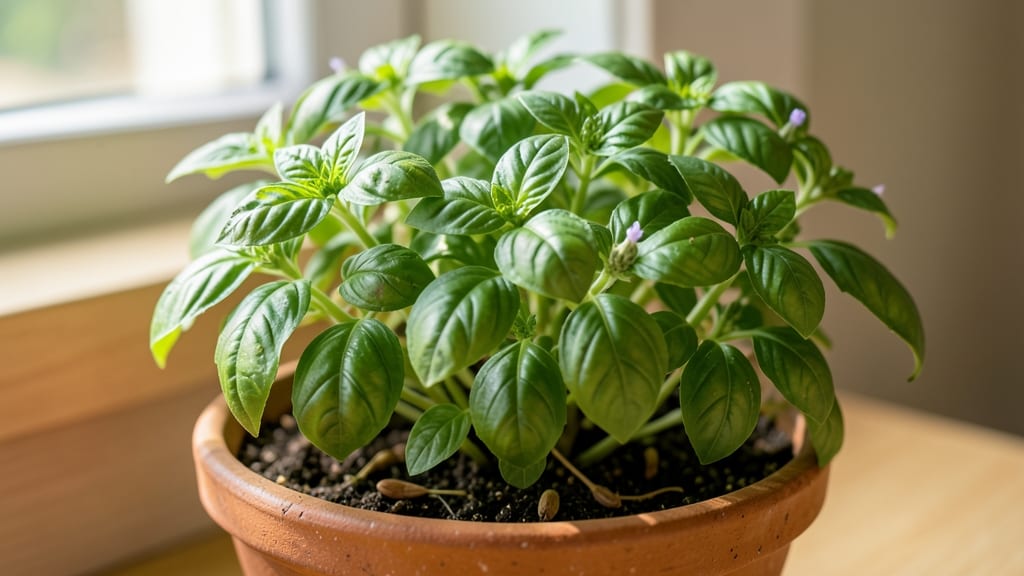
Growing a lettuce leaf basil plant feels like cheating—fast harvests with almost no effort. 🌱 Unlike traditional basil, this variety grows broad, tender leaves perfect for salads, and it won’t bolt in the heat like its cousins.
My first batch went from seed to harvest in just 30 days, and the flavor? Bright, sweet, and impossible to resist.
Unlike common basil, lettuce leaf basil thrives in cooler weather and doesn’t need constant pruning. You’ll need a sunny spot (indoors or out), well-draining soil, and water that keeps the roots moist but never soggy. The secret? It’s forgiving—even if you forget to water occasionally, it’ll bounce back.
By mid-season, you’ll be snipping leaves for sandwiches, soups, and garnishes without waiting for full maturity. The plants stay compact, so they’re perfect for containers or small gardens. Plus, pests rarely bother them—another win for low-maintenance gardeners.
Works in pots, garden beds, or even hanging baskets. Here’s how to keep yours thriving all season long.
📚 In This Guide
- What you need
- Instructions
- Tips and common mistakes
- Wrapping up and next steps
What you need
- ● Lettuce leaf basil seeds: 5–10 seeds (or 1–2 small seed packets). Opt for organic, non-GMO seeds for the best results.
- ● Seed-starting mix or potting soil: 1–2 gallons (lightweight, well-draining mix with perlite or vermiculite). Avoid garden soil—it’s too dense!
- ● Containers: For seedlings: 2–4 small pots (3–4 inches deep) with drainage holes.
- ● For mature plants: 1–2 larger pots (6+ inches deep) or a raised bed (if planting outdoors).
- ● Watering can or spray bottle: With a fine rose attachment for gentle watering.
- ○ Grow lights (optional but helpful): A 12–16 inch LED grow light for indoor setups (12–14 hours/day).
- ● Trowel or small hand shovel: For transplanting seedlings.
- ● Scissors or pruning shears: To harvest leaves cleanly.
- ○ Fertilizer (optional): Balanced liquid fertilizer (e.g., 10-10-10) or compost tea for a nutrient boost.
- ● Slow-release organic pellets (follow package instructions).
- ● Sunny spot: 6+ hours of direct sunlight daily (indoors or outdoors). A south-facing window or balcony works!
- ○ Humidity tray (optional): A shallow tray with pebbles and water to increase humidity for seedlings.
Step-by-step instructions for growing lettuce leaf basil with minimal effort
Here's how to grow this speedy, flavorful basil variety in record time—no green thumb required.
🌱 Step 1: Start Seeds Indoors or Buy Young Plants
Lettuce leaf basil grows fast, so you can either sow seeds indoors 6-8 weeks before your last frost date or grab young plants from a nursery. I like starting seeds because it's cheaper and more rewarding, but if you're impatient (like me), transplants work too. Fill 4-inch pots with seed-starting mix—not garden soil—and plant seeds ¼ inch deep, two per pot.
Keep the soil consistently moist (not soggy) by watering from the bottom—place pots in a tray of water for 10 minutes, then drain. This prevents fungal diseases that often kill young seedlings. Place in a warm spot (70-75°F) until sprouts appear in 5-7 days. Real talk: If your home runs cooler, use a seedling heat mat to speed things up.
☀️ Step 2: Provide Bright Light and Prevent Legginess
The moment those first true leaves appear, move your seedlings to bright light—a south-facing window or grow light positioned 2-3 inches above the plants. Without enough light, basil stretches into weak, leggy stems that flop over. You'll see strong seedlings with compact spacing between leaves and deep green color.
Rotate pots quarter-turn daily so plants grow straight, not leaning toward the light. If you notice leaves touching the light fixture, raise it immediately. Basil needs 12-14 hours of light daily, so supplement with a timer if natural light is limited. I keep mine under lights for 16 hours a day to maximize growth speed.
🪴 Step 3: Transplant After True Leaves Form
Once seedlings have 3-4 sets of true leaves (about 4-5 weeks after sowing), it's time to transplant. Harden off plants by placing them outside in partial shade for 1-2 hours the first day, then gradually increase exposure over 5-7 days. This prepares them for outdoor conditions without shock.
Plant in well-draining soil with morning sun and afternoon shade—too much midday heat wilts the leaves. Space plants 12 inches apart in rows 18 inches apart to allow airflow (this prevents fungal issues). Water deeply at the base, keeping soil evenly moist but not waterlogged. Lettuce leaf basil thrives in 60-75°F and wilts if too hot.
💧 Step 4: Harvest and Encourage Continuous Growth
Here's the fun part: You can start harvesting 4-6 weeks after transplanting when leaves reach 3-4 inches tall. Pinch off the outer leaves first, leaving the inner growth intact. This encourages bushier plants and keeps production steady. I harvest every 2-3 weeks, and the plant never stops growing.
Water 1 inch per week, more in extreme heat. Mulch with 2 inches of straw to retain moisture and suppress weeds. Fertilize lightly with balanced liquid fertilizer (10-10-10) every 4-6 weeks—too much nitrogen makes leaves soft and flavorless. Watch for pests like aphids; spray with neem oil if needed. With this care, you'll have continuous harvests all season long.
Tips & tricks for growing lettuce leaf basil like a pro
Here's what nobody tells you about growing this speedy herb—tricks that'll make all the difference between a struggling plant and a thriving basil harvest.
Seedling Heat Secret: If your home stays below 70°F, invest in a seedling heat mat—it's a game-changer for germination speed. I've seen sprouts appear in just 4 days instead of the usual 5-7 days when using one. Place the mat under your 4-inch pots during the germination phase, and you'll notice stronger seedlings that emerge faster.
Lighting Hack: For the 12-14 hours of daily light basil needs, use a simple timer on your grow light to automate the process. I set mine for 16 hours during winter months when natural light is scarce, and my plants grow twice as fast. Position the light 2-3 inches above the seedlings, and raise it as they grow to prevent legginess.
Transplanting Timing: Don't rush the 4-5 weeks before transplanting—wait until you see 3-4 sets of true leaves to ensure your plants are strong enough. I've learned the hard way that transplanting too early leads to shock and stunted growth. When hardening off, start with just 1-2 hours of partial shade on the first day, then gradually increase exposure over 5-7 days to avoid sunburn.
Harvesting Strategy: When harvesting those 3-4 inch leaves, always pinch from the outside first—this encourages bushier growth. I harvest every 2-3 weeks and always leave at least 2-3 sets of inner leaves intact. This method keeps my plants producing continuously all season long without sacrificing growth.
Pro Tips for Lettuce Leaf Basil Plant
- Here's what nobody tells you about growing this speedy herb—tricks that'll make all the difference between a struggling plant and a thriving basil harvest.
- Seedling Heat Secret: If your home stays below 70°F, invest in a seedling heat mat—it's a game-changer for germination speed.
- Lighting Hack: For the 12-14 hours of daily light basil needs, use a simple timer on your grow light to automate the process.
Frequently asked questions
Got questions about growing lettuce leaf basil? We’ve got answers!
Here are some of the most common queries from gardeners—whether you're a beginner or just looking to troubleshoot.
How long does it take for lettuce leaf basil to grow from seed?
Lettuce leaf basil is one of the fastest-growing basil varieties! With proper care, you can expect sprouts within 5–7 days and harvest-ready leaves in about 4–6 weeks. For faster results, opt for young plants from a nursery instead of starting from seed.
Can I grow lettuce leaf basil indoors year-round?
Lettuce leaf basil thrives indoors with bright, indirect light (a south-facing window or grow lights work best). Keep it in a pot with drainage, water when the top inch of soil feels dry, and maintain temperatures between 60–75°F. Just watch for pests like spider mites in dry conditions.
What’s the difference between lettuce leaf basil and regular basil?
Lettuce leaf basil has broad, flat leaves (like romaine lettuce) instead of the classic ruffled basil shape. It’s milder in flavor, less peppery, and less prone to bolting (going to seed), making it perfect for salads, pesto, or garnishes. Regular basil is more aromatic and bushier.
Why is my lettuce leaf basil turning yellow or wilted?
Yellowing leaves often signal overwatering or poor drainage—let the topsoil dry out between waterings. Wilting can mean underwatering, heat stress, or root issues. Check for pests (like aphids) on the undersides of leaves. If the soil feels soggy, repot with fresh, well-draining mix.
Can I substitute lettuce leaf basil for regular basil in recipes?
Yes! While it’s milder, lettuce leaf basil works well in salads, soups, and light dressings. For stronger basil flavor, mix it with other varieties (like Genovese or Thai basil). Avoid using it in recipes where bold basil flavor is key, like traditional pesto or marinara sauce.
Pro Tip:
Harvest lettuce leaf basil regularly to encourage bushier growth—pinch off the top leaves when the plant is 6 inches tall. This prevents bolting and keeps your plant productive for weeks!
Wrapping up and next steps
Growing lettuce leaf basil is a rewarding and effortless way to bring fresh, vibrant flavors to your kitchen—no green thumb required! 🌱 With its fast growth and minimal care needs, you’ll enjoy a steady harvest of tender leaves perfect for salads, sandwiches, or pesto in just a few weeks.
Whether you’re a beginner or a seasoned gardener, this herb proves that easy can also mean delicious.
Ready to dive in? Start by gathering your supplies and planting today—your taste buds (and dinner guests) will thank you! For extra inspiration, tag us in your basil adventures or explore other quick-growing herbs to expand your edible garden.