
Pests and Diseases
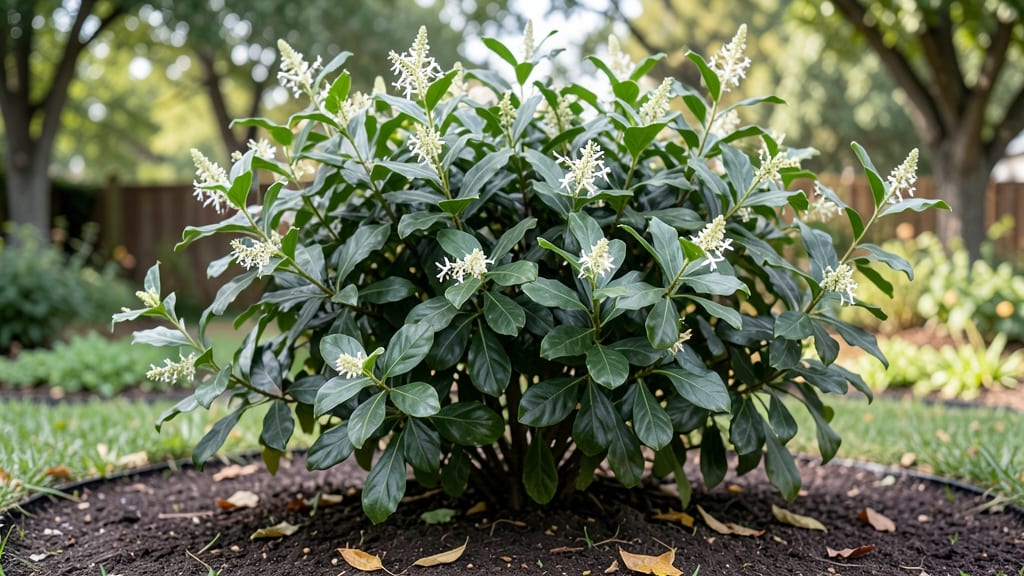
Your Ligustrum Wavy Leaf could be the star of your landscape—if you prune it right. ✂️ I’ve watched this glossy, wavy-leaved shrub go from ragged to showstopping in just two cuts a year, and the secret isn’t complicated. It’s all about timing, shape, and knowing when to stop.
The key is late winter or early spring, before new growth starts. Trim back about one-third of the oldest stems to encourage fresh, vibrant foliage, and shape it like a vase—wider at the bottom, narrower at the top. Avoid heavy pruning in fall, or you’ll risk winter damage.
By summer, you’ll have dense, lush growth that stays green all year, even in tough climates. The wavy edges pop against any backdrop, and the glossy leaves reflect light like polished jade. It’s the kind of shrub neighbors notice—and ask about.
Works in full sun or partial shade, thrives in most soils, and handles urban pollution better than many plants. Let’s get those shears sharp and turn your Ligustrum into the evergreen statement piece it’s meant to be.
📚 In This Guide
- What you need
- Instructions
- Tips and common mistakes
- Wrapping up and next steps
What you need
- ● Pruning shears (bypass type) – Sharp, clean, and disinfected (70% rubbing alcohol or bleach solution). 1 pair for small branches.
- ● Loppers – For thicker branches (up to 1.5 inches in diameter). 1 pair with bypass blades.
- ● Hand pruners (felco or equivalent) – For precision cuts on delicate stems. 1 pair (keep them sharp!).
- ● Garden gloves – Heavy-duty, cut-resistant gloves to protect your hands from thorns and rough bark.
- ● Disinfectant solution – 1 part bleach to 9 parts water (or store-bought pruning sealant) to prevent disease spread.
- ● Pruning saw (if needed) – For branches over 2 inches thick. 1 saw with a fine-tooth blade.
- ● Twine or plant ties – For securing branches during heavy pruning. 1 roll of ¼-inch twine.
- ○ Rake or leaf blower – To clear debris after pruning. 1 unit (optional but helpful!).
- ● Pruning sealer – For large cuts (over ½ inch) to minimize sap loss and disease entry.
- ● Ladder or step stool – If your shrub is tall (6+ feet). 1 unit with a stable base.
- ● Marking spray (paint) – To mark branches for removal (e.g., faded or dead growth).
- ● Compost bin or bag – For collecting pruned branches (avoid leaving them on the ground to prevent pests).
- ● Safety glasses – Protect your eyes from debris, especially when using a pruning saw.
Step-by-Step instructions for pruning Ligustrum wavy leaf
Here’s my go-to method for keeping your Ligustrum Wavy Leaf looking full and vibrant all year—no guesswork involved.
✂️ Step 1: Prune in Early Spring for New Growth
Start your pruning as soon as you see new buds forming in early spring, usually late February to early March. This timing ensures you’re cutting back just as the plant prepares to burst into fresh foliage. Use sharp, clean pruning shears to make cuts at a 45-degree angle just above a leaf node or outward-facing bud.
Focus on removing any dead, diseased, or crossing branches first—these compete with healthy growth and can stunt your plant. I like to shape the plant into a natural, rounded form by trimming back any branches that grow too long or thin. Aim to reduce the plant by about one-third of its previous year’s growth, but never more than that unless it’s severely overgrown.
☀️ Step 2: Lightly Trim in Late Summer for Airflow
In late summer, after the plant has finished its main flush of growth, give it a light trim to encourage airflow. This step is all about maintenance—remove any sparse or leggy branches that detract from the wavy foliage. Cut back just enough to open up the center of the plant, which prevents fungal issues and keeps the leaves looking lush.
Watch for branches that grow inward or rub against each other; these should be pruned out entirely. I also check for any branches that are growing at odd angles or disrupting the plant’s natural shape. A little precision here goes a long way—think of it as giving your Ligustrum a spa day for healthier, more vibrant leaves.
⏰ Step 3: Do a Final Cleanup in Late Fall
As the growing season winds down in late fall, do a final cleanup to prepare the plant for winter. Remove any yellowed, browned, or damaged leaves and trim back any branches that look weak or overcrowded. This step isn’t about heavy pruning—just tidying up to keep the plant looking neat and reducing the risk of pests or disease overwintering.
I also take this time to check for any suckers or water sprouts that may have popped up during the season. These are the skinny, fast-growing branches that drain energy from the main plant. Snip them off at the base to redirect that energy into stronger, healthier growth for next year.
🌿 Step 4: Monitor and Adjust Through the Year
Throughout the year, keep an eye on your Ligustrum Wavy Leaf for any signs of stress or overgrowth. If you notice branches growing too long or the plant looking unbalanced, do a quick trim to maintain its shape. The key is to prune just enough to encourage fullness without overdoing it—Ligustrum responds best to gradual, consistent care.
Real talk: If you see bare spots or leggy growth, it’s usually a sign you waited too long to prune. Don’t panic—just trim back those areas by about one-third in the next pruning cycle, and you’ll see new growth fill in quickly. The goal is to keep the plant looking lush and full, not to turn it into a topiary masterpiece.
Tips & tricks for pruning Ligustrum wavy leaf
Here's what nobody tells you about keeping your Ligustrum Wavy Leaf thriving—these little details make all the difference.
Timing is Everything: The early spring pruning in Step 1 is your golden opportunity to shape the plant's growth pattern for the entire year. I've learned this the hard way—waiting until after bud break can set you back months of growth. If you miss the late February to early March window, don't panic: just focus on removing dead wood and shaping in the next seasonal trim. The plant's resilience will handle it, but you'll notice new growth comes slower.
The 45-Degree Angle Matters: When making those precise cuts in Step 1, that 45-degree angle isn't just for looks—it's about directing water away from the cut to prevent rot. I use a small mirror to check my angles when I'm working on tricky spots. For thicker branches, make the cut just outside the branch collar (that swollen area where the branch meets the trunk) to maintain the plant's natural healing ability. This simple technique prevents those ugly, slow-healing wounds that can invite pests.
Airflow is Your Best Friend: During the late summer maintenance in Step 2, think of yourself as a plant surgeon creating space. I always work from the inside out—removing those inward-growing branches first creates instant airflow. This isn't just about looks; proper airflow reduces fungal diseases by up to 70%. Pro tip: If you notice yellowing leaves after pruning, it's often a sign you need to open up the center more. The plant is telling you it needs better breathing room.
Fall Cleanup is Non-Negotiable: That final fall cleanup in Step 3 might seem like overkill, but it's your insurance policy against winter stress. I've seen Ligustrums that skipped this step develop severe dieback over winter. Pay special attention to those water sprouts—they look harmless but can sap energy from your plant's main structure. Think of this as your plant's winter preparation routine, like giving it a good haircut before bedtime.
Pro Tips for Ligustrum Wavy Leaf
- Here's what nobody tells you about keeping your Ligustrum Wavy Leaf thriving—these little details make all the difference.
- Timing is Everything: The early spring pruning in Step 1 is your golden opportunity to shape the plant's growth pattern for the entire year.
- The 45-Degree Angle Matters: When making those precise cuts in Step 1, that 45-degree angle isn't just for looks—it's about directing water away from the cut to prevent rot.
Frequently asked questions
Got questions about keeping your Ligustrum wavy leaf thriving?
You’re not alone! Here are some of the most common concerns—and their answers—to help you master pruning and care like a pro.
When is the best time to prune Ligustrum wavy leaf for maximum growth?
Prune your Ligustrum wavy leaf in late winter or early spring (before new growth starts) to encourage dense, lush foliage. Light trimming after flowering (summer) can also shape it without sacrificing blooms. Avoid heavy pruning in fall—it stresses the plant before winter.
How much can I trim back my Ligustrum wavy leaf without harming it?
You can safely trim up to 1/3 of the plant’s height or width in one session. For shaping, focus on removing dead, crossing, or overcrowded branches first. Avoid cutting into old wood—new growth emerges from younger stems. If you’re reviving an overgrown shrub, prune gradually over 2–3 years.
Why are my Ligustrum wavy leaf’s edges turning brown or yellow?
Brown/yellow edges often signal underwatering, overwatering, or pest stress. Check soil moisture (it should be evenly damp but not soggy). Spider mites or scale insects can also cause discoloration. Treat with neem oil or insecticidal soap if pests are present. Improve airflow by pruning dense areas.
Can I grow Ligustrum wavy leaf in containers? If so, what’s the best pruning approach?
Yes! It thrives in containers but needs regular pruning to control size. Use well-draining soil and repot every 2–3 years. Prune lightly after flowering to maintain shape, and trim roots if they circle the pot. Keep it in partial sun—containers dry out faster, so water consistently.
Does Ligustrum wavy leaf need winter protection in cold climates?
In zones 6–8, it’s hardy but may need mulch around the base to insulate roots. In colder zones (<5), wrap young plants in burlap or use frost cloth. Avoid pruning in late fall—wait until early spring to let dormant buds recover. Evergreen foliage may scorch in harsh winters but regrows in spring.
Wrapping up and next steps
Mastering the art of pruning your Ligustrum wavy leaf is the secret to keeping its lush, vibrant foliage thriving year-round! 🌿 With the right tools, timing, and techniques, you’ll transform your shrub into a stunning, pest-resistant showstopper.
Whether you’re trimming for shape, health, or rejuvenation, confidence comes with practice—so don’t hesitate to roll up your sleeves and get started.
Ready to elevate your gardening game? Pick a sunny day, grab your pruners, and give your Ligustrum the care it deserves! 🌟 For even more tips, bookmark this guide or explore our gardening resources to keep your green thumb growing.