
Blooming
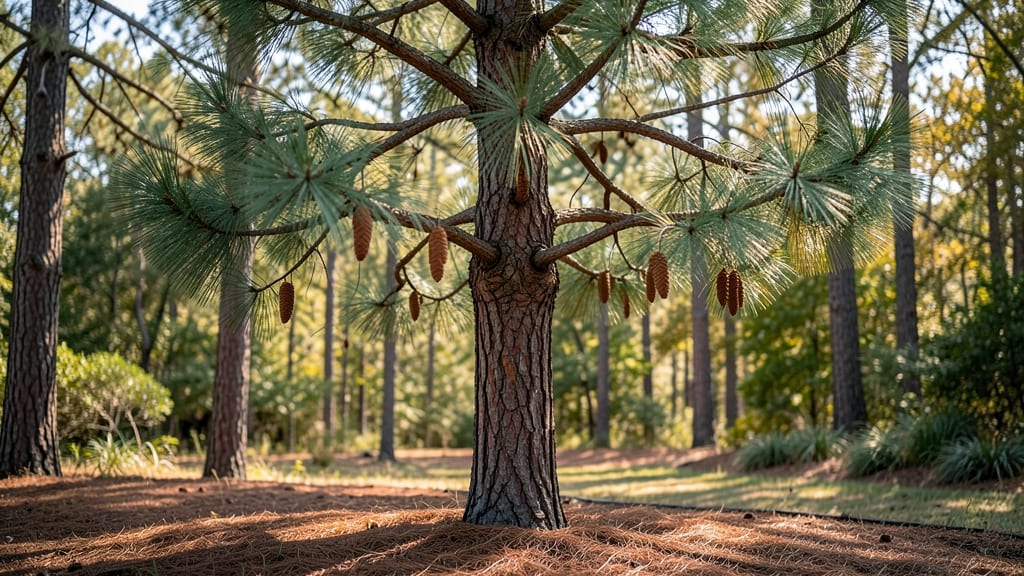
Growing a long leaf eucalyptus tree means fast, fragrant foliage that transforms any yard into a Mediterranean escape. 🌿 I planted mine three years ago, and now it towers over my patio with silvery-blue leaves that smell like a spa retreat.
This isn’t just a tree—it’s a statement plant that thrives on neglect once established, making it perfect for busy gardeners or drought-prone climates.
The secret to its rapid growth lies in three things: well-draining soil, full sun, and patience with watering. Unlike fussy ornamentals, eucalyptus tolerates poor soil and even urban pollution—ideal for city landscapes.
In my zone 8 garden, it shoots up 3-5 feet per year, and the scent alone deters pests naturally. Just avoid heavy clay or waterlogged spots, or you’ll stunt its growth.
By summer’s end, you’ll have a towering, aromatic focal point that hummingbirds adore. The leaves release their signature fragrance when brushed, and the peeling bark adds texture year-round. Prune only to shape (never to control size—this tree grows tall naturally), and you’ll enjoy decades of low-maintenance beauty with minimal effort.
Works equally well as a standalone specimen or mixed with other drought-tolerant plants. Just remember: once established, it’s nearly indestructible. Here’s how to get started without the common pitfalls.
📚 In This Guide
- What you need
- Instructions
- Tips and common mistakes
- Wrapping up and next steps
What you need
- ● Long Leaf Eucalyptus: 1-3 saplings (3-5 ft tall, healthy roots) OR
- ● 1 packet of seeds (ensure they’re fresh for best germination)
- ● 1-2 cuttings (6-12 inches long, from a mature tree)
- ● Soil: 50 lbs well-draining, sandy loam soil (pH 5.5-7.0)
- ○ Optional: 10 lbs perlite or coarse sand (to improve drainage)
- ● Container or Planting Site: Container option: 1-2 5-gallon pots (with drainage holes) OR
- ● Outdoor site: Full-sun location (6+ hours of sunlight daily), spaced 10-15 ft apart
- ● 1 trowel or shovel (for transplanting)
- ● 1 pruning shears (sterilized, for cuttings)
- ● 1 watering can or hose (with adjustable nozzle)
- ● 1 spray bottle (for misting seedlings)
- ● 1 mulch (2-3 inches of pine straw or wood chips)
- ○ Optional (but helpful!): 1 soil moisture meter (to monitor watering needs)
- ● 1 fertilizer (balanced 10-10-10 or slow-release eucalyptus-specific formula)
- ● 1 plant support stake (for young saplings in windy areas)
- ● 🔥 Climate: USDA Hardiness Zones 8-11 (or indoor growing in cooler zones)
- ● ⏳ Time commitment: Patience! Germination takes 2-4 weeks; full maturity in 10+ years.
- ● 💡 Knowledge: Basic understanding of watering needs (drought-tolerant but hates soggy roots!) and pruning techniques.
How to plant and care for a long leaf eucalyptus tree
This drought-tolerant beauty thrives with minimal fuss once you nail the first few steps.
🌱 Step 1: Choose the Perfect Planting Site
Long leaf eucalyptus craves full sun, so select a spot receiving at least 6-8 hours of direct sunlight daily. The tree tolerates poor, sandy, or rocky soil but performs best in well-draining locations—avoid low-lying areas where water pools after rain. I always test drainage by digging a 12-inch hole and filling it with water; if it doesn’t drain within 2-3 hours, amend the soil with 2-3 inches of coarse sand or gravel before planting.
This species thrives in USDA hardiness zones 8-11 and prefers temperatures between 65-95°F. If you live in cooler climates, plant near a south-facing wall or use a large container that can be moved indoors during winter. The tree’s silvery-blue foliage will brighten any landscape, but give it room to grow—mature specimens reach 60-100 feet tall with a 20-40 foot spread.
☀️ Step 2: Plant at the Right Time and Depth
Spring or early fall planting gives your eucalyptus the best start. Begin by digging a hole twice as wide as the root ball but only as deep—planting too deep suffocates roots. Gently remove the tree from its container and loosen any circling roots with your fingers. Place the eucalyptus in the hole so the top of the root ball sits level with the surrounding soil (never mound soil against the trunk).
Backfill with native soil, tamping lightly every 4-6 inches to eliminate air pockets. Water deeply to settle the soil, then create a 2-3 inch deep basin around the base to capture future irrigation. Mulch with 2-3 inches of organic mulch (like pine straw or wood chips), keeping it 6 inches away from the trunk to prevent rot. The mulch conserves moisture while protecting roots from temperature swings.
💧 Step 3: Water Deeply and Establish a Routine
Water your eucalyptus once a week for the first month, soaking the soil to a depth of 12-18 inches. You’ll know it’s enough when water runs out the drainage holes if planted in a container, or when the soil feels moist 6 inches down. After the first month, reduce watering to every 2-3 weeks—this tree is famously drought-tolerant once established. Overwatering is the #1 killer; yellowing leaves or soggy soil signals you’re pushing it too hard.
Long leaf eucalyptus has salt-tolerant roots, making it ideal for coastal areas. If your soil is heavy clay, mix in 1 part sand to 3 parts native soil during planting to improve drainage. Avoid fertilizing for the first year—these trees grow fast enough without it, and excess nutrients encourage weak, disease-prone growth. Instead, focus on pruning dead or crossing branches in late winter to maintain an open canopy.
✂️ Step 4: Prune for Health and Shape
Prune your eucalyptus once a year in late winter or early spring before new growth begins. Remove dead, diseased, or damaged branches first, cutting back to the nearest healthy bud. Thin out crowded branches to improve airflow—this prevents fungal issues and encourages stronger growth. Never remove more than 25% of the canopy in a single year, as this stresses the tree.
Shape the tree by selectively trimming branches to encourage a fuller form. Use clean, sharp pruners to make cuts just outside the branch collar (the swollen area where the branch meets the trunk). Seal larger cuts (over ½ inch in diameter) with pruning sealant to prevent disease entry. The tree’s fragrant foliage will reward your efforts—just avoid heavy pruning in fall, as new growth won’t harden off before winter.
🌿 Step 5: Monitor for Pests and Diseases
Long leaf eucalyptus is generally pest-resistant, but watch for aphids, scale, or psyllids—these sap-suckers weaken the tree. Treat infestations early with neem oil or insecticidal soap, applying in the early morning or evening to avoid harming beneficial insects. Yellowing leaves often signal overwatering or root rot, while brown, crispy edges point to underwatering or salt buildup (flush the soil with water to leach excess salts).
Fungal diseases like root rot or leaf spot thrive in humid conditions. Improve airflow by pruning densely packed branches and avoid overhead watering. If you notice black spots on leaves, remove affected foliage immediately and improve drainage. With proper care, your eucalyptus will grow 2-3 feet per year, offering shade, fragrance, and wildlife benefits—birds and bees adore its nectar-rich flowers.
Tips & tricks for planting and growing a long leaf eucalyptus tree
Here's what nobody tells you about making your eucalyptus thrive from day one.
Site Selection Wisdom: The 6-8 hours of sunlight requirement isn't just about duration—it's about quality. South-facing slopes get the most intense sun, which is perfect for this species. I've seen eucalyptus planted in east-west orientations struggle after just a few years because they miss that critical midday sun. Also, while they tolerate poor soil, the 12-inch drainage test is non-negotiable. I once planted one in a spot that failed this test, and within six months, root rot had set in despite all other care being perfect.
Planting Depth Technique: That "top of the root ball level with soil" guideline is crucial, but here's the trick: use a level tool to verify it. I've seen many gardeners eyeball this and end up with the root ball slightly buried, which suffocates the tree. Another pro move is to water the root ball thoroughly before planting—this helps settle the soil and eliminates air pockets during backfilling. The 2-3 inch mulch layer should be your last step to lock in moisture without smothering the trunk.
Watering Strategy: The once-weekly watering for the first month isn't just about quantity—it's about penetration. Use a soil probe or your finger to verify that moisture reaches 12-18 inches deep. In sandy soils, you might need to water twice weekly during that initial period. After establishment, the 2-3 week interval becomes your baseline, but adjust based on rainfall. I've had clients in coastal areas reduce this to monthly once their trees were fully established, thanks to natural fog moisture.
Pruning Precision: When shaping your tree in Step 4, focus on creating an open vase shape that allows sunlight to reach the lower branches. This encourages fuller growth throughout the canopy. For those larger cuts over ½ inch, I recommend using a pruning sealant with a natural resin base—it blends better with the tree's bark and provides better protection against disease entry points. The once-yearly timing in late winter is perfect because it coincides with the tree's natural dormancy period.
Pro Tips for Long Leaf Eucalyptus Tree
- Here's what nobody tells you about making your eucalyptus thrive from day one.
- Site Selection Wisdom: The 6-8 hours of sunlight requirement isn't just about duration—it's about quality.
- Planting Depth Technique: That "top of the root ball level with soil" guideline is crucial, but here's the trick: use a level tool to verify it.
Frequently asked questions
Got questions about the stunning long leaf eucalyptus tree? You’re not alone! Here are some of the most common queries—and their answers—to help you grow this fragrant beauty with confidence.
What’s the best climate for growing a long leaf eucalyptus tree?
The long leaf eucalyptus (Eucalyptus urophylla) thrives in USDA hardiness zones 9-11 and loves full sun (6+ hours daily). It’s drought-tolerant once established but struggles in freezing temps below 20°F. If you’re in a cooler zone, plant it in a sheltered spot or grow it in a large container for winter protection.
How fast does a long leaf eucalyptus tree grow?
This tree is a fast grower! Under ideal conditions, it can add 3-5 feet per year, reaching 60-100 feet tall at maturity. For container growth, expect slower but steady progress—prune regularly to manage size.
Can I grow a long leaf eucalyptus in a pot? Yes—but with caveats!
Use a large container (20+ gallons) with drainage holes and well-draining soil (like a cactus/succulent mix). Repot every 2-3 years and move it indoors during winter if temps drop below 30°F. Just know it’ll need regular pruning to stay compact.
Are long leaf eucalyptus trees toxic to pets or humans?
While the tree isn’t highly toxic, its leaves and oils can cause mild stomach upset if ingested in large amounts. Symptoms may include drooling or vomiting. Keep pets away from chewing foliage, and avoid burning the wood indoors (the smoke can irritate lungs). When in doubt, consult your vet!
How do I prune a long leaf eucalyptus tree safely?
Prune in late winter or early spring to shape the tree and encourage bushier growth. Use sterilized shears and cut just above a leaf node. Avoid heavy pruning—this tree responds best to light trims. Seal larger cuts with pruning sealant to prevent disease.
What are some alternatives if I can’t grow a long leaf eucalyptus?
If your climate is too cold, try these fragrant, fast-growing alternatives:
- Lemon eucalyptus (Eucalyptus citriodora) – Hardy to zone 8, pest-repellent, and citrus-scented!
- Sweet bay magnolia (Magnolia virginiana) – Fragrant foliage and cold-hardy to zone 5.
- Lavender (Lavandula species) – Drought-tolerant and aromatic (great for containers!).
Wrapping up and next steps
The long leaf eucalyptus tree is a stunning, low-maintenance addition to any landscape, offering fragrant foliage, rapid growth, and year-round beauty. Whether you’re drawn to its silvery-blue leaves, drought tolerance, or wildlife benefits, this tree brings effortless elegance to gardens and urban spaces alike.
Ready to plant your own? Start by gathering your supplies, choosing the perfect spot, and following the simple steps outlined above. With a little patience and care, you’ll soon be enjoying the soothing scent and striking presence of this fast-growing perennial—a true standout in any outdoor setting! 🌿✨