
Planting
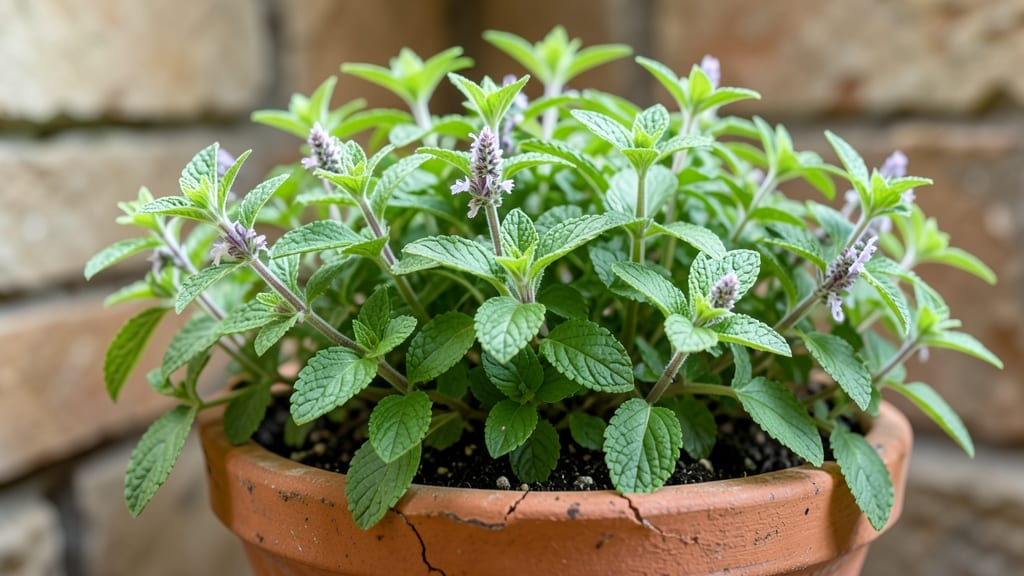
Long leaf mint spreads faster than weeds in my sunniest garden bed—once you plant it, you’ll never want to dig it up. 🌿 This hardy perennial thrives with minimal fuss, producing fragrant, lance-shaped leaves perfect for teas, cocktails, or garnishes.
Unlike its bushy cousin, spearmint, long leaf mint grows in graceful, airy clumps that won’t take over your entire yard (though it will try). The secret to happy mint lies in three simple needs: full sun, moist but well-draining soil, and regular pruning to keep it from sprawling.
I start mine from cuttings in spring—just snip a 4-inch stem, strip the lower leaves, and root it in water for two weeks. By summer, you’ll have a lush, spreading plant ready to harvest.
Once established, long leaf mint handles drought surprisingly well, though it rewards consistent watering with bold, vibrant growth. The leaves stay aromatic even after drying, making it a kitchen staple that never goes to waste. Plus, its delicate lavender flowers attract pollinators all season long.
Whether you’re growing it in containers to control its spread or letting it naturalize in a shady corner, this mint is the foolproof perennial for gardeners who want flavor without the fuss. Let’s get those cuttings rooted!
📚 In This Guide
- What you need
- Instructions
- Tips and common mistakes
- Wrapping up and next steps
What you need
- ● Long Leaf Mint Seeds or Cuttings: Seeds: 1 packet (50-100 seeds) or 2-3 seeds per pot if starting small.
- ● Cuttings: 1-2 healthy stems (4-6 inches long) from an existing plant.
- ● Growing Medium: Well-draining potting mix (5-10 gallons, depending on container size).
- ● For garden beds: Loamy, moist soil with pH 6.0-7.0 (amend with compost if needed).
- ● Containers (if not planting in-ground): 1-2 12-inch-wide pots with drainage holes (mint spreads aggressively—use containers!).
- ○ Optional: Fabric grow bags (prevents root escape).
- ● Tools: Trowel or small shovel.
- ● Pruning shears (for cuttings or harvesting).
- ● Watering can or hose with a gentle spray nozzle.
- ● Slow-release fertilizer (balanced 10-10-10 or organic compost tea).
- ● Mulch (straw or shredded leaves to retain moisture).
- ● Epsom salt (1 tbsp/month for magnesium boost).
- ● Sunlight meter (to check for 4-6 hours of partial shade).
- ● Pest control: Neem oil (if aphids or spider mites appear).
Step-by-step instructions for growing long leaf mint plants
Here's how to get your fast-growing mint patch thriving in no time.
🌱 Step 1: Choose the Perfect Spot and Prepare the Soil
Long leaf mint loves sun but tolerates partial shade—pick a location with at least 4-6 hours of sunlight daily. I always test the soil first by squeezing a handful: if it crumbles easily, it's ready. If it sticks together, amend with 2-3 inches of compost to loosen it up. Mint spreads aggressively, so contain it in a 12-inch deep pot or mark a 2-foot diameter circle in the ground with landscape fabric to prevent wandering roots.
Work the compost into the top 6 inches of soil—this ensures roots have plenty of nutrients without competing with other plants. Avoid fresh manure; mint prefers rich but not overly fertile soil. A pH test kit confirms ideal 6.0-7.0 range—mints thrive in slightly acidic to neutral conditions. If your soil tests higher, add sulfur gradually over a month to adjust.
💧 Step 2: Plant and Water for Immediate Establishment
Plant your mint 2-3 inches deep and 18 inches apart for spaced plants, or divide rooted cuttings directly into the prepared soil. I like to plant mine in early spring after the last frost when soil warms to at least 50°F. Water deeply right after planting—1 gallon per plant—to settle the roots. The soil should feel damp 6 inches down when you check with your finger.
Mulch with 2 inches of straw or shredded leaves to retain moisture and prevent weeds. This keeps roots cool in summer and protects against winter dieback. Water every 2-3 days until new growth appears. You'll know it's working when you see bright green, lance-shaped leaves emerging within 2-3 weeks. Overwatering here is the biggest mistake—mints hate soggy roots.
☀️ Step 3: Maintain Light and Water for Fast Growth
Long leaf mint grows 2-3 feet tall with sprawling runners, so prune regularly to encourage bushiness. I cut back stems by ⅓ after they reach 6 inches—this triggers thicker growth and prevents legginess. Harvest leaves anytime by pinching off stems just above a leaf node; the plant keeps producing as long as you don't take more than ⅓ of the foliage at once.
Water 1-2 times weekly once established, giving 1 inch of water per week total. Let the top 2 inches of soil dry between waterings to prevent fungal issues. In hot climates, increase frequency but never let water pool. You'll see the fastest growth when leaves stay vibrant green and stems remain sturdy—not floppy or yellowing. Fertilize lightly with balanced 10-10-10 every 6 weeks during growing season for extra vigor.
✂️ Step 4: Prune and Propagate for Year-Round Supply
Prune back hard in early spring before new growth starts to rejuvenate the plant. Cut stems to 4-6 inches tall—this removes old wood and encourages fresh, flavorful shoots. I also harvest stems in late summer to force new basal growth before winter. Divide mature plants every 2-3 years by digging up sections with roots and replanting them elsewhere in your garden or sharing with friends.
For overwintering, cut back stems to 2 inches tall and mulch heavily with 4-6 inches of straw. Mint survives mild winters but may die back in freezing temps. In cold climates, dig up pots and move them to a garage or unheated shed where temps stay above 30°F. You'll see new shoots emerge in early spring—proof your plants are still alive and ready to grow.
Tips & tricks for perfect long leaf mint growth
Here's what I've learned after growing mint for years—these tricks will help you avoid common pitfalls and get the fastest, healthiest plants possible.
Sunlight Strategy: Those 4-6 hours of sunlight are non-negotiable for vigorous growth, but morning sun with afternoon shade works best in hot climates. I've noticed my mint thrives when it gets bright light early in the day—this prevents leaf scorch while still giving it enough energy to grow quickly. If you're in a shady spot, supplement with a grow light for 6 hours daily during spring and summer.
Soil Prep Secret: The 2-3 inches of compost we mix into the top 6 inches of soil isn't just about nutrients—it's about creating the perfect air-to-water ratio. I like to add a handful of perlite to the compost mix for container plants, which prevents compacting and helps roots breathe. For in-ground planting, work in a thin layer of coarse sand if your native soil is particularly dense.
Watering Wisdom: That 1 gallon of water right after planting is crucial, but the real trick is checking soil moisture at the right depth. Stick your finger 6 inches down—if it feels dry, water thoroughly. I've ruined mint plants by assuming they were getting enough water, only to find the roots were drying out because the top layer felt moist while the deeper soil was bone dry. Consistency is key: aim for that 1 inch per week once established, but adjust based on your local climate.
Pruning Payoff: When you cut back stems by ⅓ after they reach 6 inches, you're not just controlling size—you're forcing the plant to put energy into producing more leaves rather than just growing taller. I prune mine every 4-6 weeks during growing season, and I always use clean, sharp scissors to avoid damaging stems. The first flush of new growth after pruning is always the most flavorful!
Pro Tips for Long Leaf Mint Plant
- Here's what I've learned after growing mint for years—these tricks will help you avoid common pitfalls and get the fastest, healthiest plants possible.
- Sunlight Strategy: Those 4-6 hours of sunlight are non-negotiable for vigorous growth, but morning sun with afternoon shade works best in hot climates.
- Soil Prep Secret: The 2-3 inches of compost we mix into the top 6 inches of soil isn't just about nutrients—it's about creating the perfect air-to-water ratio.
Frequently asked questions
about growing long leaf mint—because even the best gardeners need a little guidance! Here are answers to the most common queries to help you cultivate this hardy, aromatic perennial with confidence.How fast does long leaf mint grow?
Long leaf mint is a fast grower! With the right conditions (full sun to partial shade and moist, well-draining soil), you can expect visible growth within 2–4 weeks after planting. In ideal environments, it can spread aggressively—prune regularly to control its vigor. Pro tip: Harvest leaves frequently to encourage bushier growth and prevent it from taking over your garden.
When is the best time to plant long leaf mint?
Plant long leaf mint in spring or early fall for the best results. This timing allows roots to establish before extreme heat or cold sets in. If you’re in a mild climate, you can also plant in late summer, but avoid planting in deep winter—it’s not frost-tolerant at planting. Bonus: Start seeds indoors 4–6 weeks before the last frost for an early jumpstart!
Why is my long leaf mint dying or turning yellow?
Yellowing leaves or wilting often signal overwatering or poor drainage. Long leaf mint prefers moist but not soggy soil—ensure your pot or garden bed has drainage holes. Other culprits? Fungal diseases (from excess moisture) or nutrient deficiency (add compost or a balanced fertilizer). Fix it: Trim affected leaves, adjust watering, and improve airflow around the plant.
Can I grow long leaf mint in containers?
Containers are ideal for long leaf mint because they contain its invasive roots. Use a pot at least 12 inches deep with drainage holes and fill it with potting mix. Place it in a sunny spot, and harvest regularly to keep it compact. Pro move: Add a layer of mulch to retain moisture and suppress weeds.
What’s the difference between long leaf mint and other mints?
Long leaf mint (Mentha longifolia) has narrow, elongated leaves (unlike spearmint’s broader shape) and a slightly peppery, citrusy flavor with hints of pine. It’s also hardier and more drought-tolerant than spearmint or peppermint. Perfect for culinary uses like teas, pestos, or garnishes—its unique taste sets it apart! Try it: Pair it with lamb, tomatoes, or citrus dishes for a fresh twist.
Wrapping up and next steps
Growing long-leaf mint in your culinary garden is a rewarding journey that brings freshness, flavor, and sustainability to your kitchen! 🌿 With its fast-growing nature and hardy perennial traits, this versatile herb thrives with minimal effort—just provide the right sunlight, soil, and a little love.
Whether you're harvesting leaves for tea, cocktails, or cooking, you’ll enjoy a bountiful harvest year after year.
Ready to dive in? Start small—plant a few cuttings or seeds this season and watch your garden flourish! 🌱 For even more tips, explore companion plants or creative ways to use mint in your recipes. Happy gardening!