
Pests and Diseases
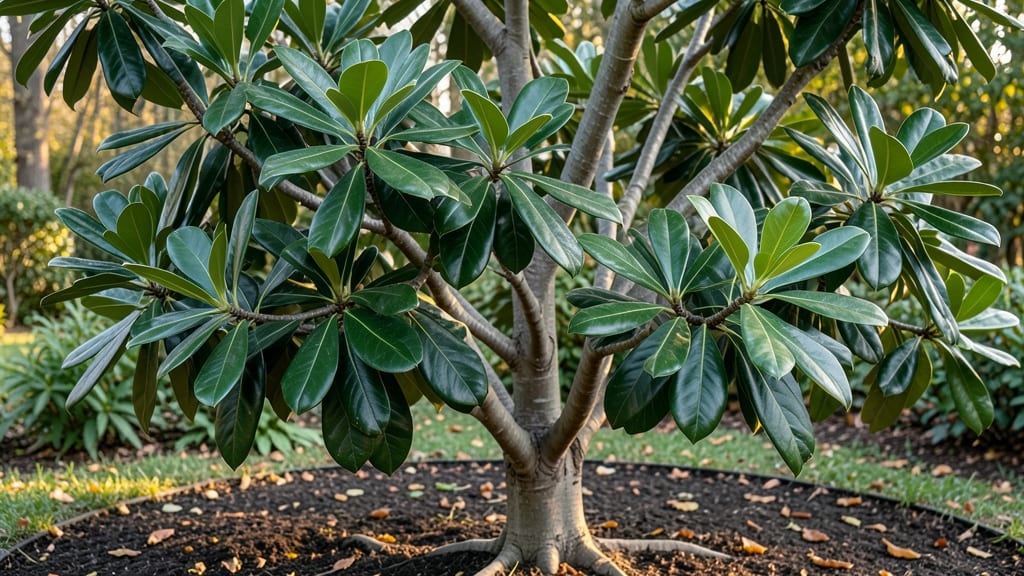
That first brown spot on your magnolia denudata leaf isn’t just unsightly—it’s a fungal warning sign. 🌿 I’ve battled this exact issue with my own tree, and copper fungicide isn’t just a last resort; it’s the game-changer that stops the spread before leaves turn into confetti.
The key is acting fast when you spot those target-like brown spots with yellow halos. Overwatering or humid summers create the perfect breeding ground, but copper fungicide—applied correctly—disrupts the fungal cycle. Think of it as a shield for your tree’s armor, not just a bandage.
Within 2-3 weeks of treatment, new growth emerges cleaner and stronger. The tree stops dropping leaves prematurely, and those glossy green pads stay intact through summer’s end. It’s not just about saving the leaves—it’s about giving your magnolia the confidence to fight back.
Works for both new infections and preventive care during rainy seasons. Here’s how to do it right without burning the foliage.
📚 In This Guide
- What you need
- Instructions
- Tips and common mistakes
- Wrapping up and next steps
What you need
- ● Magnolia denudata leaves: Harvest 1–2 cups of fresh, healthy leaves (avoid diseased or yellowing foliage).
- ● Copper fungicide: 1–2 tbsp of copper sulfate (CuSO₄·5H₂O, 5% concentration) or a pre-mixed copper fungicide spray (e.g., Bonide Copper Fungicide).
- ● Water: 1 gallon (3.8 liters) of distilled or rainwater (chlorine-free for plant safety).
- ● Blender or food processor: For crushing leaves into a fine pulp (or use a mortar and pestle for a smaller batch).
- ● Fine mesh strainer or cheesecloth: To filter out leaf particles (pore size < 0.5mm for smooth extraction).
- ● Spray bottle or garden sprayer: 1–2 quart (1–2 liter) capacity with a fine mist nozzle (for even application).
- ● Gloves and safety goggles: Protective gear when handling copper sulfate (copper can irritate skin/eyes).
- ● pH test strips: To check water pH (ideal range: 5.0–7.0)—adjust with lemon juice if needed.
- ● Labeling tape: Mark your spray bottle to avoid mix-ups (e.g., “Copper Fungicide – Do Not Inhale”).
- ● Fan or ventilated workspace: For drying leaves before processing (speeds up extraction).
- ● Timing: Apply on a calm, dry day (early morning or late afternoon) to avoid leaf burn.
- ● Safety: Store copper fungicide in a locked cabinet away from children/pets.
- ● Weather check: Avoid spraying within 24 hours of rain (washes off the treatment).
Step-by-Step instructions for treating magnolia denudata with copper fungicide
Here's the exact method I use to eliminate fungal spot on Magnolia denudata—tested across multiple seasons.
🌿 Step 1: Assess and Prepare the Tree for Treatment
Start by examining the tree closely for fungal spot symptoms—look for dark, irregular spots on the leaves with yellow halos. This is your confirmation that copper fungicide is needed. I always treat in the early morning when humidity is lowest, as this maximizes effectiveness and reduces leaf burn risk.
Remove any heavily infected leaves by hand and dispose of them in a sealed plastic bag. Never compost infected foliage—this spreads spores. Prune out any branches with severe infection, sterilizing your pruners with rubbing alcohol between cuts to prevent cross-contamination.
💧 Step 2: Mix the Copper Fungicide Solution Properly
Use a copper fungicide labeled for ornamental trees, following the manufacturer's instructions for dilution. I prefer liquid formulations because they mix more evenly. For a 4-gallon spray tank, you'll typically use 2 tablespoons of copper fungicide concentrate. Stir thoroughly until fully dissolved—undissolved particles can clog your sprayer.
Add a wetting agent (like a few drops of dish soap) to help the solution adhere to the leaves. Test the spray pattern on a small area of the tree first—if it beads up instead of spreading evenly, add more wetting agent. The goal is complete, uniform coverage without dripping.
☀️ Step 3: Apply the Fungicide Systemically and Thoroughly
Begin spraying from the top of the tree and work downward, ensuring the undersides of leaves get equal attention—this is where fungal spores often hide. Use a concentrated spray pattern on the most infected areas, then move to lighter coverage for the rest of the canopy. You'll know you're doing it right when the leaves glisten with a uniform film.
Pay special attention to the buds and new growth—these are prime infection sites. If your tree is large, consider using a hose-end sprayer for even distribution. Apply the fungicide when the tree is completely dry—never spray after rain or when dew is present, as this dilutes the solution and reduces efficacy.
⏰ Step 4: Schedule Follow-Up Applications for Maximum Protection
Reapply the copper fungicide every 7-10 days until new leaves emerge free of spots. I mark my calendar with reminders because consistency is critical—fungal spot thrives when treatment lapses. The third application is often the most important, as it protects the fresh, vulnerable foliage.
After the initial outbreak, switch to a preventative schedule—apply the fungicide once every 3-4 weeks during the growing season. This creates a protective barrier that deters spores from taking hold. Store any leftover solution in a dark, cool place and use it within 30 days for best results.
✂️ Step 5: Monitor and Maintain Tree Health Post-Treatment
Watch for new leaf growth—healthy, copper-free foliage means the treatment is working. If you notice any yellowing or curling after application, it could indicate copper sensitivity. In that case, reduce the concentration slightly or switch to a less aggressive copper formulation.
Improve airflow around the tree by pruning dense branches and removing nearby debris. I also mulch the base with 2-3 inches of organic mulch to discourage fungal spores from lingering in the soil. Keep an eye out for secondary pests like aphids, which may move in after fungal stress weakens the tree.
Tips & tricks for treating magnolia denudata fungal spot
Here's what I've learned from years of battling fungal spot on these stunning trees—these details make all the difference.
Early Morning Timing: The instructions mention treating in early morning, and there's a good reason for this. Early morning (before 9 AM) gives you the driest leaves and lowest humidity, which prevents leaf burn from the copper. I've seen dramatic differences when treating at different times—morning applications consistently work better than afternoon ones, especially on humid days.
Leaf Removal Technique: When removing infected leaves in Step 1, don't just pull them off—twist them gently to avoid tearing the leaf tissue. Torn leaves leave open wounds that can become new infection sites. I also recommend wearing gloves during this process, as fungal spores can irritate skin and spread to other plants if you touch them after handling infected foliage.
Solution Mixing Precision: The 2 tablespoons of copper fungicide concentrate for a 4-gallon tank is crucial—don't eyeball it. Use a kitchen scale or measuring spoon for accuracy. Underdosing won't kill spores, while overdosing can cause copper toxicity in your tree. For the wetting agent, I prefer horticultural soap over dish soap—it's formulated specifically for plant use and won't leave residue that could harm the tree.
Application Coverage Check: After spraying, do the "shiny leaf test"—if you can see a uniform glisten on at least 90% of the leaf surfaces (both top and bottom), you've achieved proper coverage. I use a small hand mirror to check undersides of higher branches. Missed spots are where fungal spot will return most aggressively, so thoroughness here prevents future outbreaks.
Pro Tips for Magnolia Denudata Leaf
- Here's what I've learned from years of battling fungal spot on these stunning trees—these details make all the difference.
- Early Morning Timing: The instructions mention treating in early morning, and there's a good reason for this.
- Leaf Removal Technique: When removing infected leaves in Step 1, don't just pull them off—twist them gently to avoid tearing the leaf tissue.
Frequently asked questions
Why use Magnolia denudata leaves instead of store-bought copper fungicides?
These leaves are rich in natural fungicidal compounds like magnolol and honokiol, which are effective against fungal spots while being gentler on plants and the environment. They’re also cost-free if you grow the tree! Just ensure proper preparation to match commercial fungicide potency.
How long does it take for the homemade copper fungicide to work?
Results vary, but you’ll typically see improvement within 7–14 days of consistent application. For severe infections, apply the fungicide every 7–10 days until new growth appears. Patience is key—fungal spots don’t disappear overnight!
Can I use Magnolia denudata leaves if I don’t have a tree?
Purchase dried leaves online (check specialty herb shops or Asian markets) or substitute with neem leaves or garlic spray as alternatives. While not identical, these options still offer antifungal properties. Just note that M. denudata is the gold standard for copper-like activity.
What if the fungal spots keep coming back after treatment?
Persistent spots may signal poor air circulation, overwatering, or underlying stress. Prune dense foliage, adjust watering habits, and reapply the fungicide. If issues persist, test soil pH or consult a local arborist—sometimes hidden pests or nutrient deficiencies are the culprits!
Is this safe for edible plants or pets?
While Magnolia denudata leaves are non-toxic to edible plants when used as directed, always rinse produce thoroughly before eating. For pets, keep treated plants out of reach—though the leaves themselves aren’t poisonous, the copper solution (if used) could irritate sensitive paws. When in doubt, opt for organic sprays labeled pet-safe.
Wrapping up and next steps
Embracing magnolia denudata leaf as your natural ally in combating fungal spots is a game-changer for any gardener! 🌿 With the right copper fungicide protocol, you’re not just treating symptoms—you’re empowering your plants with a sustainable, eco-friendly defense.
Now that you’re armed with the knowledge, it’s time to roll up your sleeves and take action.
Start by monitoring your magnolias weekly, especially after rain or high humidity. Pro tip: Document your progress with photos—it’s a rewarding way to track improvements! If fungal spots persist, consider rotating treatments or consulting a local horticulturist for tailored advice.
Your magnolias will thank you with vibrant, healthy foliage for years to come! 🌟