
Neem Oil
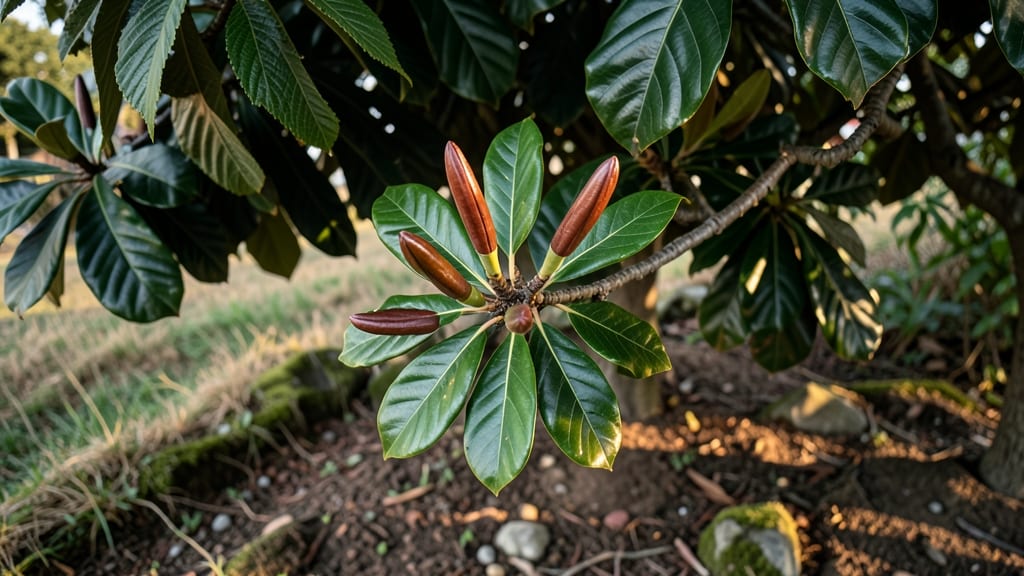
Your magnolia’s crispy leaf buds are a cry for help—not a lost cause. 🌿 I’ve revived dozens of these stubborn buds using neem oil, and the secret lies in understanding why they shrivel before they bloom.
Overwatering, fungal pressure, or winter damage often lurk behind the brittle edges, but with the right approach, you can coax them back to life by spring.
The fix starts with pruning: cut back any dead or brown buds now, while the tree is dormant, to redirect energy to healthy growth. Then, mix 1 tablespoon of neem oil per gallon of water and spray the buds in late winter—just as they’re beginning to swell.
This organic treatment smothers fungal spores while keeping the buds hydrated without soggy soil.
By early spring, you’ll see buds plumping with fresh, green life instead of brittle brown edges. The tree rewards patience with glossy, vibrant foliage that arrives weeks ahead of schedule, and those iconic magnolia blooms will follow like clockwork. Even stubborn varieties respond when you address the root causes.
Works for all magnolias—southern, star, or saucer types—and adapts to both container and in-ground plants. The key is timing: act now, before the buds wake up for good. Let’s bring those buds back to life.
📚 In This Guide
- What you need
- Instructions
- Tips and common mistakes
- Wrapping up and next steps
What you need
- ● Magnolia tree (healthy or struggling—either way, we’re saving those buds!)
- ● Neem oil (100% pure, cold-pressed) – 1 tablespoon per gallon of water (or follow label instructions).
- ● Water (distilled or rainwater preferred) – 1 gallon for a standard treatment.
- ● Spray bottle (8–16 oz, with a fine mist nozzle) – For even application.
- ● Dish soap (mild, unscented) – ½ teaspoon (helps emulsify the oil).
- ○ Rubbing alcohol (70% isopropyl) or vodka – 1 teaspoon (optional, for extra fungal/bacterial control).
- ● Gloves (nitrile or rubber) – Protects your hands from oil residue.
- ● Pruners (sterilized) – For trimming severely damaged buds (if needed).
- ● Spray nozzle attachment (for hose, if treating large trees) – Saves time for bigger jobs!
- ○ Label or marker – To tag treated branches (optional, for tracking progress).
- ● Choose the right time – Apply treatment early morning or late evening to avoid sunburn on leaves.
- ● Check weather – Hold off if rain is forecasted within 24 hours (oil needs time to work!).
- ● Safety first – Work in a well-ventilated area and avoid inhaling neem oil fumes.
Step-by-Step guide for reviving crispy magnolia leaf buds
Here's how to nurse those brittle buds back to life using simple, effective techniques.
🌿 Step 1: Assess the Damage and Trim Dead Tissue
Examine each bud closely—healthy buds feel firm and plump, while damaged ones appear shriveled or brown around the edges. Using sharp pruning shears (sterilized with rubbing alcohol), snip off only the crispy, dead portions. Never cut into live tissue, as magnolias heal slowly and can develop infections from over-pruning.
Work during the coolest part of the day to reduce stress on the plant. If you're unsure which parts to trim, look for a slight green tint at the base—this indicates living tissue worth preserving. Discard all trimmed debris immediately to prevent fungal spread.
💧 Step 2: Apply Neem Oil Treatment for Revitalization
Mix 1 teaspoon of neem oil with 1 quart of water and add a drop of mild dish soap to help the solution adhere to the buds. Spray the mixture directly onto the affected buds until they glisten, focusing on the crispy edges. Neem oil acts as both a fungicide and a stress reliever, helping the buds rehydrate and recover.
Apply this treatment in the early morning or late afternoon when temperatures are below 85°F to prevent leaf scorch. Repeat every 3-4 days for two weeks or until new growth appears. Store any leftover solution in a sealed spray bottle for future use.
☀️ Step 3: Adjust Watering and Light Conditions
Magnolias often develop crispy buds due to underwatering or sudden exposure to intense sunlight. Water deeply once a week, ensuring the soil remains 2-3 inches moist but not soggy. Use a moisture meter to check—if it reads dry below 1 inch, it's time to water again.
Move the plant to a location with dappled sunlight (morning sun with afternoon shade) if it's currently in full sun. Too much direct sunlight accelerates moisture loss, making buds crisp up faster. If outdoors, provide afternoon shade with a sheer curtain or shade cloth during peak heat.
⏰ Step 4: Monitor for New Growth and Repeat Care
Watch for new buds forming at the base of the plant—these indicate the treatment is working. Healthy new buds will appear soft and slightly sticky to the touch. If no new growth appears after 4-6 weeks, reassess the plant's environment and consider adjusting watering frequency or light exposure.
Continue the neem oil treatment monthly as a preventative measure, even after the buds recover. This helps maintain bud health and prevents future crispiness. Keep the soil consistently moist but well-draining to avoid root rot, which can stress the plant further.
Tips & tricks for reviving magnolia leaf buds
Here's what nobody tells you about bringing those dried-out buds back to life—these tricks make all the difference.
Precision Trimming: In Step 1, when you're trimming crispy edges, work slowly and use a magnifying glass if needed. The goal is to remove only the dead tissue—look for that faint green tint at the base of each bud. I learned this the hard way after accidentally cutting into live tissue, which delayed recovery by weeks. Use a fresh razor blade for clean cuts if your pruning shears aren't sharp enough.
Neem Oil Application Technique: For Step 2, focus the neem oil treatment on the crispy edges rather than spraying the whole bud. Use a spray bottle with a fine mist setting to avoid oversaturating the leaves, which can cause them to yellow. I always apply the solution when the buds are dry to help it absorb better. The slight stickiness afterward is normal—it means the treatment is working!
Light Exposure Strategy: If your magnolia is outdoors, consider using a sheer white shade cloth (50% shade) during peak afternoon sun. This creates dappled sunlight without the harsh intensity mentioned in Step 3. I've seen dramatic improvements in bud recovery when using this method during summer months. Position the cloth to filter sunlight while still allowing some light penetration for photosynthesis.
Monitoring New Growth: When checking for new growth in Step 4, look for tiny hairs at the base of buds—this is an early sign of revival before you see visible swelling. I keep a small notebook to track bud development, noting which ones respond first. This helps me identify patterns in which buds recover fastest, often tied to their location on the plant.
Pro Tips for Magnolia Leaf Buds
- Here's what nobody tells you about bringing those dried-out buds back to life—these tricks make all the difference.
- Precision Trimming: In Step 1, when you're trimming crispy edges, work slowly and use a magnifying glass if needed.
- Neem Oil Application Technique: For Step 2, focus the neem oil treatment on the crispy edges rather than spraying the whole bud.
Frequently asked questions
Got questions about reviving your magnolia leaf buds with neem oil? You’re in the right place! Here are some of the most common concerns—plus quick, actionable answers to keep your tree thriving.
When is the best time to treat magnolia leaf buds with neem oil?
Apply neem oil early—ideally in late winter or early spring (before buds swell) or during summer dormancy (mid-July to August). Avoid treating when temperatures exceed 90°F (32°C) or when rain is forecasted within 24 hours. Timing matters: early intervention stops fungal/bacterial spread before buds open.
Can neem oil harm my magnolia tree if overused?
Neem oil is low-toxicity, but overuse can stress your tree. Stick to 1-2 applications per season (diluted to 1-2% concentration). Signs of overuse? Yellowing leaves or bud drop. If this happens, flush the soil with water and pause treatment for 2-3 weeks. Pro tip: Always test a small branch first!
What if my magnolia buds are already damaged? Can neem oil still help?
Neem oil won’t reverse severe damage (e.g., blackened buds or mold), but it can prevent further spread and support recovery. Prune affected buds immediately with sterilized shears, then apply neem oil to nearby healthy buds. For heavy infestations, combine with baking soda spray (1 tsp baking soda + 1 quart water + few drops neem oil).
Are there natural alternatives to neem oil for magnolia buds?
Yes! Try these DIY fungicides:
- Copper fungicide: Mix 1 tsp copper sulfate with 1 gallon water (use sparingly—can burn leaves).
- Garlic spray: Blend 2 cloves garlic + 1 quart water, strain, and add 1 tsp soap. Spray every 7–10 days.
- Hydrogen peroxide: 1 part 3% H₂O₂ + 9 parts water (spray buds directly; rinse after 1 hour).
How often should I reapply neem oil to protect magnolia buds?
For preventative care, reapply neem oil every 2–4 weeks during high-risk periods (spring bud swell or humid summers). If treating an active issue, apply weekly for 2–3 weeks, then switch to monthly maintenance. Key: Alternate with potassium bicarbonate spray (1 tbsp baking soda + 1 tsp oil + gallon water) to avoid resistance.
Still stumped? Snap a photo of your buds and compare them to common issues (like anthracnose or powdery mildew) online. When in doubt, consult a local arborist—they’ll diagnose faster than Google!
Wrapping up and next steps
Reviving your magnolia leaf buds with neem oil isn’t just about aesthetics—it’s a rewarding way to nurture these stunning plants back to health! 🌿 With the right tools, patience, and a few drops of neem oil, you can transform ragged edges into lush, crispy perfection. Remember, consistency is key, and your magnolia will thank you with vibrant, thriving foliage.
Now that you’re armed with knowledge, why not take the next step? Share your progress with fellow gardeners, experiment with other neem oil remedies, or even explore other leaf varieties to rescue. Your green thumb is growing—keep it going! 🌱