
Pests and Diseases
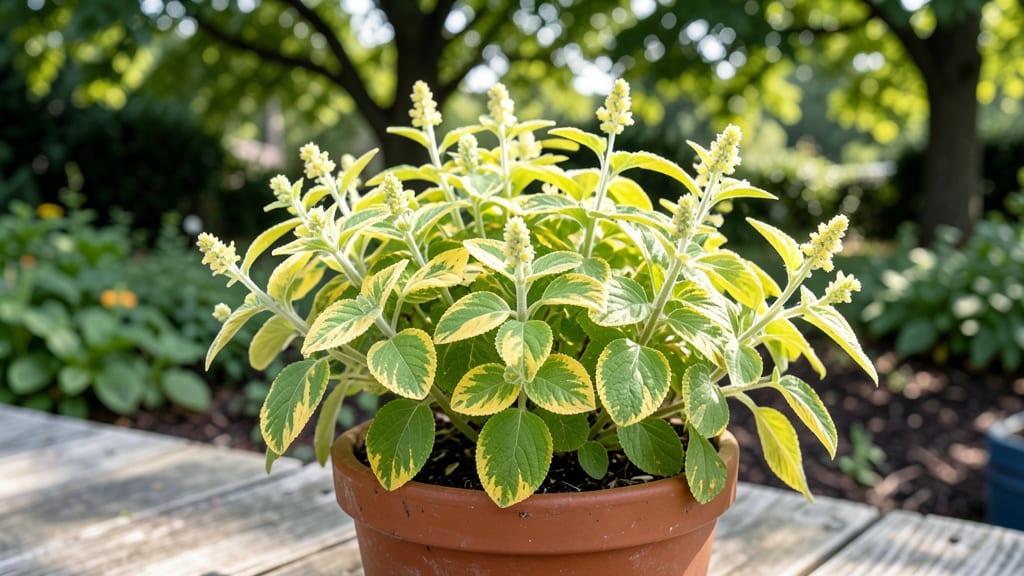
This copper-resistant lemon balm with golden edges is the secret weapon I’ve been waiting for—no more aphid-infested plants ruining my garden. 🌿 Melissa officinalis 'Gold Leaf' doesn’t just repel pests; it thrives where regular lemon balm would fail, making it the perfect addition to any organic garden.
The key to keeping those striking gold-and-green leaves vibrant lies in well-draining soil and morning sunlight—not scorching afternoon heat. Overwatering is the fastest way to dull those variegated edges, so let the top inch dry out between waterings. And yes, it will spread, but that’s part of the charm.
Once established, this hardy perennial produces fragrant flowers that attract pollinators while keeping pests at bay. Snip back leggy stems in early spring to encourage bushier growth, and you’ll have lush foliage ready for tea, pest-repellent sprays, or just admiring its resilience.
It’s the one plant that works as hard as you do—pest-free, drought-tolerant once settled, and impossible to kill if you give it the right conditions. Let’s get it growing!
📚 In This Guide
- What you need
- Instructions
- Tips and common mistakes
- Wrapping up and next steps
What you need
- ● Melissa officinalis gold leaf cuttings or seeds: 5–10 healthy gold-leafed cuttings (or 10–20 seeds if starting from scratch). Pro tip: Gold leaf varieties are rare—check specialty nurseries or seed swaps!
- ● Well-draining potting mix: 1–2 gallons (for seedlings) or 5+ gallons (for mature plants). Use a blend of 60% peat/coir, 30% perlite, and 10% compost.
- ● Containers or garden beds: Seedlings: 4–6" pots with drainage holes (3–5 plants).
- ● Mature plants: 12"+ pots or in-ground beds with 6+ hours of sunlight.
- ● Organic copper-free fungicide: 1 spray bottle (e.g., neem oil or baking soda mix—avoid copper to prevent leaf burn!).
- ● Slow-release fertilizer: 10–20-10 NPK ratio (1 tbsp per gallon of soil).
- ● Pruning shears: Sharp, sterilized shears for cuttings (or a clean knife in a pinch).
- ● Spray bottle: For misting cuttings or seedlings (16 oz with a fine mist nozzle).
- ○ Plastic wrap or humidity dome: To retain moisture during rooting (optional but helpful for cuttings).
- ● Gloves: Nitrile or cotton gloves (lemon balm can be mildly irritating to sensitive skin).
- ● Pest control: Required: Yellow sticky traps (for aphids/whiteflies).
- ○ Optional: Ladybugs or lacewing larvae (natural predators).
- ● Gold leaf propagation tips: 1–2 mature Melissa officinalis plants (to graft or take cuttings from).
- ● Mulch: Straw or wood chips (to retain moisture and suppress weeds).
- ● Trellis or small stakes: For training vines (lemon balm can spread aggressively!).
- ● pH test kit: Ideal soil pH for lemon balm is 6.0–7.0.
Step-by-step guide for growing Melissa officinalis 'gold leaf'
This copper-resistant variety thrives in tough conditions while repelling pests naturally—here's how to cultivate it successfully.
🌱 Step 1: Select and Prepare the Planting Site
Choose a location with full sun to partial shade—'Gold Leaf' tolerates 4-6 hours of direct sun daily, but its golden foliage intensifies in morning light. Avoid heavy clay soils; amend with 2-3 inches of compost to improve drainage. The plant's copper resistance makes it ideal for contaminated sites, but well-draining soil still prevents root rot.
Test soil pH before planting—'Gold Leaf' prefers 6.0-7.0. If your soil is acidic, mix in 1 cup of dolomitic lime per square foot 2 months before planting. I always dig a 12-inch deep hole to loosen compacted layers, which encourages deeper root establishment. This variety spreads aggressively, so space plants 2-3 feet apart in rows or 4 feet apart in clusters.
🌿 Step 2: Plant and Establish Young Plants
Plant 1-gallon container-grown plants in early spring after the last frost or in early fall for a head start. Dig holes twice as wide as the root ball but only as deep—planting too deep suffocates roots. Gently remove the plant from its container and tease apart any circling roots with your fingers; this prevents girdling as the plant matures.
Backfill with native soil mixed with 1 cup of compost per hole, tamping lightly as you go. Water immediately after planting to eliminate air pockets, then mulch with 2 inches of shredded bark to retain moisture and suppress weeds. The first year focuses on root establishment—water 1-2 inches per week (more in extreme heat) until plants show new growth in spring.
☀️ Step 3: Maintain for Pest Resistance and Golden Foliage
'Gold Leaf' releases natural oils that repel pests, but consistent care keeps its golden hue vibrant. Prune back one-third of the plant height in early spring before new growth begins—this encourages bushier, more colorful foliage. I always use clean, sharp pruners to avoid spreading disease, and I remove any yellowed leaves immediately to prevent fungal issues.
Fertilize lightly in spring with ½ cup of 10-10-10 granular fertilizer per plant, working it into the top 2 inches of soil. Avoid high-nitrogen fertilizers—they promote leaf growth at the expense of the golden color. Water at the base in the morning to prevent fungal spores from splashing onto leaves. You'll notice the most intense golden foliage when plants receive moderate afternoon shade in hot climates.
✂️ Step 4: Propagate and Control Spread
Divide established plants every 3-4 years in early spring to maintain vigor. Dig up the entire plant, then separate sections with at least 3-4 healthy stems each. Replant divisions immediately in prepared soil, as they establish more quickly than seeds. 'Gold Leaf' spreads aggressively, so I contain it with edging barriers if needed—this variety makes a stunning, low-maintenance border plant.
Harvest leaves anytime for culinary or medicinal use, but avoid cutting more than one-third of the plant at once. The plant's pest-repellent properties make it perfect for companion planting near roses or vegetables. In fall, cut back stems to 6 inches tall to protect from winter dieback, then mulch heavily to insulate roots. You'll see new golden growth emerging in spring, ready to repel pests naturally.
Tips & tricks for perfect Melissa officinalis 'gold leaf' cultivation
Between us, the secret to this copper-resistant lemon balm thriving lies in the details—especially when it comes to soil prep and maintenance. These tricks will help you coax out that stunning golden foliage while keeping pests at bay.
Soil Preparation: The 2-3 inches of compost isn't just about drainage—it's about creating a microbial-rich environment that supports root growth. I've found that adding a handful of worm castings to each planting hole gives an extra boost to young plants. The compost should be well-aged to avoid introducing weeds or pathogens, and mixing in a bit of perlite (about 10% by volume) can help prevent compaction in heavy soils.
Root Establishment: Those first 1-2 inches of weekly watering during the first year are critical, but timing matters just as much. Water in the early morning so the foliage has all day to dry, preventing fungal issues. I use a soaker hose for deep, even moisture without disturbing the soil surface. The goal is to keep the root zone consistently moist—not soggy—so the plant can focus on establishing its extensive root system.
Pruning for Color: When you prune back one-third of the plant height in spring, aim for just above a leaf node where new growth will emerge. This encourages bushier growth with more vibrant golden foliage. I always sterilize my pruners with rubbing alcohol between cuts to prevent spreading any potential pathogens. The key is to prune right before new growth begins—you'll notice the most intense color when you prune in early spring rather than later in the season.
Fertilizer Strategy: That ½ cup of 10-10-10 fertilizer per plant should be spread evenly over the root zone, not piled up in one spot. I like to work it into the top 2 inches of soil with a hand fork, which helps prevent root burn. The balanced ratio is important—too much nitrogen will make the foliage grow faster but lose that golden hue we're after. For an extra boost, I sometimes add a handful of bone meal to the planting hole at the same time, which provides phosphorus for root development.
Pro Tips for Melissa Officinalis Gold Leaf
- Between us, the secret to this copper-resistant lemon balm thriving lies in the details—especially when it comes to soil prep and maintenance.
- Soil Preparation: The 2-3 inches of compost isn't just about drainage—it's about creating a microbial-rich environment that supports root growth.
- Root Establishment: Those first 1-2 inches of weekly watering during the first year are critical, but timing matters just as much.
Frequently asked questions
Got questions about growing Melissa officinalis (lemon balm) with gold leaf resistance? Here are some common ones—and their answers!
What makes Melissa officinalis resistant to gold leaf (copper-based fungicides)?
Melissa officinalis has natural antifungal compounds like rosmarinic acid, which help it tolerate copper sprays better than many plants. However, gold leaf resistance isn’t absolute—overuse of copper can still stress the plant. Use it sparingly (once every 2–3 weeks max) and pair it with organic preventatives like neem oil or compost tea.
How long does it take for Melissa officinalis to show gold leaf resistance?
Resistance isn’t a sudden switch—it’s more about tolerance. If you’re using copper sprays, start with low concentrations (e.g., 1–2% Bordeaux mix) and monitor for stress. Healthy Melissa officinalis plants may recover faster than susceptible varieties, but full resistance builds over 1–2 growing seasons with proper care.
Can I use Melissa officinalis as a companion plant to protect other copper-sensitive crops?
Melissa officinalis repels pests like aphids and whiteflies, which reduce the need for copper sprays on nearby plants. Try pairing it with tomatoes, peppers, or roses—its strong scent deters pests naturally. Just avoid planting it too close to mint-sensitive crops (like oregano), as it can outcompete them.
What should I do if my Melissa officinalis still gets gold leaf spots despite copper sprays?
If copper isn’t working, switch to organic alternatives:
- Baking soda spray (1 tsp baking soda + 1 quart water + a drop of soap)
- Milk spray (1 part milk to 9 parts water—sounds weird, but it works!)
- Improve airflow by pruning crowded foliage
- Water in the morning to prevent fungal growth
Is Melissa officinalis with gold leaf resistance more expensive than regular lemon balm?
Not necessarily! While specialty copper-resistant varieties (like those bred for organic farms) may cost $5–$10 more per plant, you’ll save on fungicides long-term. Regular Melissa officinalis can also tolerate copper better than average—just give it rich soil and consistent water to boost its natural defenses.
Wrapping up and next steps
Melissa officinalis gold leaf isn’t just a stunning addition to your garden—it’s a powerhouse for keeping pests at bay while thriving in copper-rich soils. 🌿 Its resilience, fragrant blooms, and natural pest-repelling properties make it a must-have for eco-conscious gardeners. Whether you’re a beginner or a seasoned green thumb, integrating this copper-resistant perennial is a game-changer for a healthier, low-maintenance garden.
Ready to transform your space? Start small—plant a few gold leaf melissa cuttings or seeds this season and watch your garden flourish naturally. Happy gardening! 🌱