
Leaf Blower
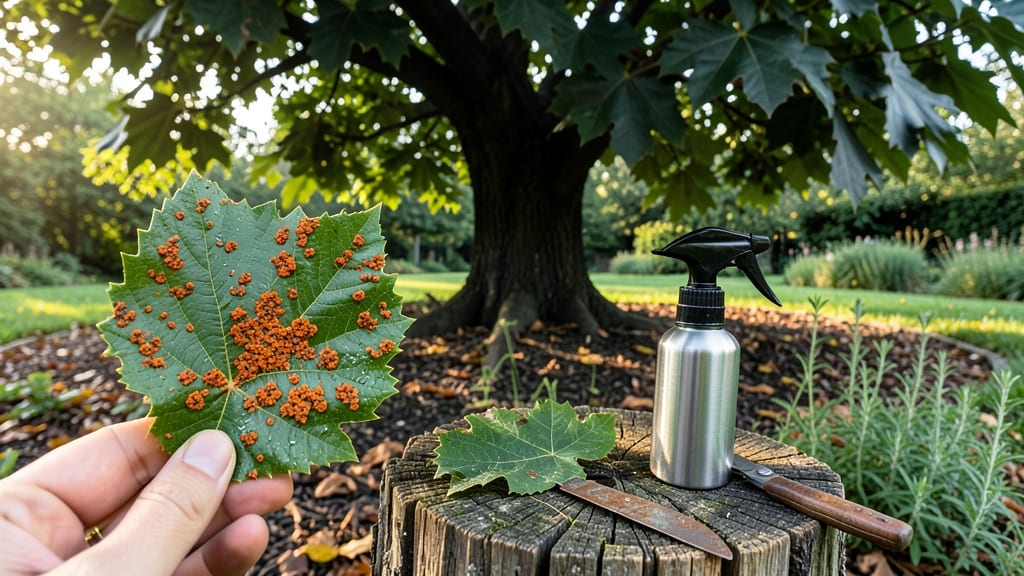
Your mulberry tree’s rust-colored spots aren’t just ugly—they’re a fungal warning sign that can weaken growth if ignored. 🌿 I’ve battled leaf rust on my own mulberries, and the key to fast recovery is catching it early with the right fungicide spray protocol.
Within weeks, you can restore those leaves to vibrant green if you act now.
This problem starts with tiny orange pustules on undersides of leaves, spreading as the fungus Puccinia spp. thrives in warm, humid weather. Overwatering or dense foliage makes it worse.
The good news? A simple spray routine—applied at the first sign of rust—can stop it before it takes over your tree’s energy.
You’ll see dramatic improvement in just 2-3 weeks with consistent treatments. The leaves will thicken, new growth will emerge, and those stubborn rust patches will fade. The secret is timing: spray when leaves are dry, repeat every 7-10 days until new growth covers old leaves.
Works for both organic (neem oil, copper spray) and chemical solutions—just pick what fits your garden’s needs. The faster you start, the sooner your mulberry tree will bounce back stronger than before.
Root Causes of Leaf Discoloration
When your mulberry tree’s leaves start turning yellow, orange, or rust-colored, it’s often a sign of rust fungus—a common but frustrating issue for growers. Understanding the why behind this problem is the first step to stopping it before it spreads.
Below, we break down the key factors that create the perfect storm for leaf rust, so you can address them directly.
The primary culprit behind leaf rust is the Puccinia fungus, which thrives in moist, humid conditions. These spores are lightweight and travel easily via wind, rain, or even garden tools. Once they land on susceptible mulberry leaves, they germinate and infect the plant’s surface, leading to those telltale rust-colored pustules.
💡 Pro Tip: Rust spores can survive on dead leaves, soil, or nearby plants for months. Regularly cleaning up leaf litter and avoiding overhead watering can reduce spore spread.
Fungal infections like rust love moisture. When mulberry leaves stay damp for prolonged periods—whether from heavy rain, poor drainage, or frequent irrigation—the fungus gets the ideal environment to grow. High humidity (above 70%) further accelerates spore germination and infection.
⚠️ Watch Out: Early morning dew or late evening watering can trap moisture on leaves, creating a rust-friendly zone. Aim for watering in the early morning to allow foliage to dry quickly.
A stressed mulberry tree is more vulnerable to rust. Common stressors include:
- Nutrient deficiencies (especially nitrogen or iron)
- Poor soil drainage (leading to root rot)
- Physical damage (from pruning cuts or pests)
- Extreme weather (drought followed by sudden rain)
When a tree’s immune system is compromised, fungal spores can easily penetrate its defenses, leading to widespread infection.
💪 Boost Resistance: Apply a balanced fertilizer in early spring and mulch around the base to improve soil health and root strength.
Mulberry trees planted too closely together or in shaded, low-light areas suffer from poor airflow. Stagnant air traps moisture and spores, creating a rust hotspot. Additionally, dense foliage prevents leaves from drying quickly after rain.
🌳 Fix It: Prune to improve airflow and space trees at least 15–20 feet apart for mature varieties. If growing in containers, ensure pots have drainage holes.
By tackling these root causes—spore control, moisture management, tree health, and airflow—you’ll disrupt the fungus’s lifecycle and give your mulberry tree a fighting chance. The next step? Learn how to treat existing rust before it spreads further.
Fixing Fungal Foliage Fails
Fungal infections like mulberry leaf rust can turn your lush green trees into a patchwork of rust-colored spots, but don’t panic—there are practical, step-by-step solutions to restore your mulberry’s health. Below, we’ll map the most common causes to targeted fixes, plus prevention tips to keep rust at bay for good.
When mulberry trees grow too close together or are planted in tight spaces, airflow suffers, creating a humid, fungus-friendly environment. Rust spores thrive in these damp conditions, so improving circulation is key.
How to Fix It:
- 🔥 Prune Strategically – Trim back dense branches to open up the canopy. Focus on removing crossing or rubbing branches, which block airflow.
- 🌳 Space Out Trees – If possible, replant or thin out young mulberries to give them at least 10–15 feet of space between trunks.
- 💨 Use a Fan (Temporarily) – For severely affected trees, place a low-speed oscillating fan near the foliage for a few hours daily to dry leaves faster.
Prevention Tip: 💡 Mulch Properly – Apply a 2–3 inch layer of organic mulch (like wood chips) around the base, but keep it 6 inches away from the trunk to prevent moisture buildup.
Rust fungi love humidity, and prolonged wetness—whether from rain, overhead watering, or poor drainage—gives them the perfect breeding ground.
How to Fix It:
- 👨🍳 Adjust Watering Habits – Water deeply but infrequently (1–2 times per week) and avoid wetting leaves (use drip irrigation or soaker hoses instead of sprinklers).
- 🏞️ Improve Drainage – If your mulberry is in a low-lying area, consider raising the soil level or installing a French drain to redirect excess water.
- ☀️ Morning Sun Exposure – Ensure your tree gets at least 6–8 hours of sunlight daily—sunlight helps leaves dry faster after rain.
Prevention Tip: 🌡️ Monitor Humidity – If you live in a high-humidity climate, consider using a dehumidifier near potted mulberries or spacing them out further.
If rust has already taken hold, chemical or organic fungicides can stop the spread and help leaves recover.
How to Fix It:
- 🔪 Apply Copper Fungicide – Copper-based sprays (like copper sulfate or copper hydroxide) are highly effective against rust. Mix 1 tbsp per gallon of water and spray thoroughly on both sides of leaves every 7–10 days until new growth appears.
- 🍄 Try Organic Options – For a natural approach, use neem oil (1 tsp per quart of water + a drop of dish soap as a surfactant) or baking soda spray (1 tbsp baking soda + 1 tsp oil + 1 gallon water).
- ⏰ Best Timing – Apply fungicide early in the morning or late afternoon to avoid burning leaves in direct sunlight.
Prevention Tip: ✨ Pre-Treat in Spring – Spray fungicide preventatively in early spring (before rust appears) to create a protective barrier.
Weak, malnourished leaves are more susceptible to fungal infections. A balanced fertilizer can help your mulberry bounce back faster.
How to Fix It:
- 📊 Test Soil First – Use a soil test kit to check pH and nutrient levels. Mulberries prefer slightly acidic to neutral soil (pH 6.0–7.0).
- 💪 Fertilize Smartly – Apply a balanced, slow-release fertilizer (like 10-10-10) in early spring and mid-summer. Avoid high-nitrogen fertilizers, which promote lush but weak growth.
- 🥗 Boost with Compost – Mix well-rotted compost into the top 6 inches of soil to improve soil structure and microbial activity.
Prevention Tip: 🎯 Avoid Over-Fertilizing – Too much nitrogen can make leaves softer and more vulnerable to rust. Follow package instructions closely!
If more than 50% of leaves are affected, the tree is stressed beyond recovery, or rust keeps returning despite treatments, it’s time to consult an arborist.
They can assess whether: - 🪓 Pruning back severely infected branches is the best option. - 🌳 Replacing the tree is necessary if it’s a young or valuable specimen. - 🔬 Professional-grade fungicides (like Propiconazole or Myclobutanil) are needed for stubborn cases.
To keep rust from making a comeback: ✅ Sanitize Pruning Tools – Wipe blades with rubbing alcohol between cuts to prevent spreading spores. ✅ Remove Fallen Leaves – Clean up rust-infected debris from the ground to eliminate spore sources. ✅ Monitor Regularly – Check leaves weekly during spring and fall (peak rust seasons). ✅ Plant Rust-Resistant Varieties – If possible, choose mulberry cultivars known for better disease resistance (e.g., Illinois Everbearing).
With the right mix of pruning, fungicides, and preventative care, your mulberry can shake off rust and thrive again. Start with the fixes that match your tree’s specific issues, and stay consistent—healthy foliage is just a few steps away!
Frequently asked questions
What do mulberry leaf rust spots look like up close?
Leaf rust appears as tiny, bright orange or reddish-brown pustules on the undersides of leaves, often surrounded by yellow halos. These spots eventually rupture, releasing spores that spread to other leaves. Check both leaf surfaces—rust often starts on the underside before becoming visible on top.
Can mulberry leaf rust spread to other plants?
Yes, rust fungi can jump to nearby plants, especially those in the same family (like figs or grapes). The spores travel via wind, water, or tools. Always sanitize pruners with rubbing alcohol when moving between trees, and remove infected leaves promptly to contain the outbreak.
How long does it take for fungicide to work on mulberry rust?
With consistent applications (every 7-10 days), you’ll see improvement in 2-3 weeks. New growth should emerge free of rust, while existing leaves may still show fading spots. For severe cases, combine fungicide with pruning infected branches to speed up recovery.
Is mulberry leaf rust harmful to the tree's fruit?
While rust primarily affects leaves, heavy infestations can weaken the tree, potentially reducing fruit yield or quality. The fungus doesn’t directly infect fruit, but stressed trees may produce smaller berries. Focus on treating leaves first to restore the tree’s vigor.
What's the best time of year to treat mulberry rust?
Start treatments in early spring (before new growth) and continue through fall—these are peak rust seasons. Apply fungicide when leaves are dry (morning or late afternoon) and repeat every 7-10 days until new leaves appear. Avoid treating in winter when the tree is dormant.