
Neem Oil
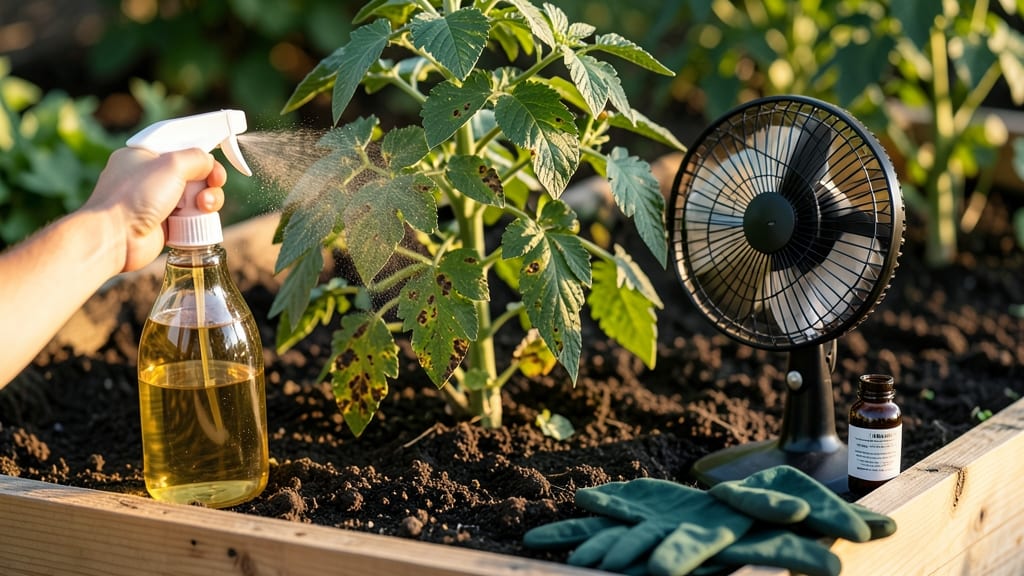
When leaf spot turns your plants' leaves into a polka-dot mess, neem oil becomes your secret weapon. 🌿 I've seen this fungal disease ruin entire harvests—until I discovered how a simple neem oil spray could stop the spots dead in their tracks within days.
The key is timing, concentration, and knowing exactly when to apply it for maximum effectiveness.
Leaf spot thrives in damp conditions, often appearing as dark, irregular splotches that spread rapidly. Most gardeners panic and reach for chemical fungicides, but neem oil works just as well—naturally.
My first successful treatment came after mixing just 1 teaspoon of neem oil per quart of water with a drop of dish soap as an emulsifier. The results were immediate: new growth stayed spot-free, and existing spots faded within a week.
You'll see the difference in 3-5 days if you apply it at the first sign of spots—before they spread. The oil smothers fungal spores while strengthening plant cell walls to resist future infections. Best of all, it's safe for your soil, pets, and even edible plants once fully dried.
For stubborn cases, combine neem oil with baking soda (1 tablespoon per gallon) or copper fungicide for extra protection. Prevention is even easier: water plants at the base, avoid overhead sprinkling, and remove infected leaves immediately.
When in doubt, consult a local extension service—they can help identify if your problem is truly leaf spot or something more complex.
Root Causes of Leaf Spot
Leaf spot diseases don’t just appear out of nowhere—they’re the result of a perfect storm of conditions that create an ideal environment for fungal pathogens to thrive. Understanding these causes is the first step in preventing outbreaks and using neem oil as a proactive defense.
Let’s break down the key factors that turn your lush green foliage into a buffet for leaf-spotting fungi.
Fungal spores love moisture and stagnant air. When plants are crowded or overgrown, airflow is restricted, creating damp, shaded conditions that fungi adore. High humidity (above 75%) further accelerates spore germination, turning leaves into a breeding ground for pathogens like Cercospora or Alternaria.
Why it matters:
- Stagnant air traps moisture on leaves, prolonging wetness—fungi need at least 12 hours of leaf wetness to infect.
- Overhead watering (especially in the evening) mimics a rain shower, soaking leaves and inviting spores to party.
- Dense plantings reduce sunlight penetration, keeping the leaf surface cool and moist longer.
Actionable fix: Prune for airflow, space plants properly, and water at the base—never from above.
Leaf spot fungi are everywhere—in soil, old plant debris, and even on nearby weeds. Spores lie dormant until conditions (like rain or humidity) trigger their awakening. Once active, they hitch a ride on wind, tools, or even your shoes to infect new hosts.
Why it matters:
- Monoculture gardens (planting the same species repeatedly) give fungi a buffet—no diversity means no natural predators.
- Infected plant debris left in the soil acts like a fungal seed bank, releasing spores year after year.
- Weeds and mulch can harbor spores, especially if they’re diseased or decaying.
Actionable fix: Rotate crops, remove infected leaves immediately, and sterilize tools between plants.
Stressed plants are like open doors for fungi. Drought, nutrient deficiencies, or physical damage (like insect bites or hail) compromise a plant’s protective cuticle and immune response, making it easier for pathogens to invade.
Why it matters:
- Nitrogen deficiency weakens cell walls, making leaves more susceptible to fungal penetration.
- Overwatering or underwatering disrupts root health, reducing the plant’s ability to fight off infections.
- Insect damage (e.g., aphids or mites) creates entry points for fungi, turning wounds into infection highways.
Actionable fix: Feed plants balanced fertilizer, maintain consistent moisture, and treat pest issues before they cause damage.
While plants need water, too much leaf wetness is a fungal feast. Rain or sprinklers create a thin film of water on leaves, giving spores the perfect conditions to germinate and infect within 24–48 hours.
Why it matters:
- Evening watering keeps leaves damp overnight, extending the infection window.
- Heavy rain can splash spores from soil onto lower leaves, starting infections from the ground up.
- Morning dew might seem harmless, but it’s a natural fungal incubator if humidity stays high.
Actionable fix: Water early in the day (before 10 AM) and use drip irrigation or soaker hoses to avoid wetting foliage.
Fungal spores can hitch a ride on pruners, gloves, or even your fingers, spreading from plant to plant like a silent epidemic. If you trim an infected leaf and then prune a healthy one, you’re basically giving the fungus a free shuttle service.
Why it matters:
- Unsterilized tools transfer spores between plants, accelerating outbreaks.
- Reusing contaminated mulch or compost can reintroduce pathogens into the soil.
- Touching infected leaves (even accidentally) spreads spores to other parts of the plant.
Actionable fix: Sterilize tools with 70% alcohol or a 10% bleach solution between uses, and wash hands after handling diseased plants.
Fungi thrive in moderate temperatures (60–80°F), but sudden shifts—like cool nights followed by warm days—can stress plants and create ideal infection conditions. Some leaf spot fungi, like Septoria, are temperature-sensitive and explode in outbreaks during these transitions.
Why it matters:
- Cool, wet springs followed by warm, humid summers create the perfect fungal storm.
- Greenhouse environments with poor ventilation can trap heat and moisture, accelerating spore growth.
Actionable fix: Monitor weather patterns, use shade cloth in peak heat, and ensure good airflow in greenhouses.
Leaf spot isn’t random—it’s a chain reaction of poor conditions, fungal opportunism, and plant stress. The good news? By addressing these root causes, you’re not just treating symptoms—you’re starving the problem at its source.
And that’s where neem oil comes in as a natural, preemptive strike against fungal invaders. Stay tuned to learn how to use it effectively!
Quick Fixes for Fungal Spots
Leaf spot diseases can turn your lush green plants into a sad, spotted mess—but don’t panic! With the right approach, you can reverse the damage and prevent future outbreaks using neem oil and other natural methods.
Below, we’ve mapped out targeted solutions based on the most common causes of leaf spot, plus prevention tips to keep your plants thriving.
Cause: Soggy soil from overwatering or compacted soil traps moisture, creating the perfect breeding ground for fungal spores.
How to Treat It:
- 🌱 Adjust Your Watering Routine
- Let the top 1–2 inches of soil dry out between waterings. Stick your finger in the soil—if it’s damp, wait!
- Water early in the day so leaves have time to dry before evening humidity sets in.
- 🚿 Improve Soil Drainage
- Mix in perlite, sand, or compost to loosen heavy clay soil.
- If potted, ensure pots have drainage holes and elevate them slightly to prevent waterlogging.
- 🍃 Apply Neem Oil as a Fungicide
- Mix 1 tsp neem oil + 1 tsp mild soap + 1 quart water in a spray bottle.
- Spray undersides of leaves (where spores hide) and stems every 7–10 days until new growth appears.
- Pro Tip: 💡 Add a drop of dish soap to help the solution stick to leaves.
Cause: Existing spots spread via wind, water splashes, or touching infected foliage.
How to Treat It:
- 🗑️ Prune & Dispose of Infected Leaves
- Snip off spotted leaves with sterilized scissors (wipe with rubbing alcohol between cuts).
- Bag and trash infected leaves—do not compost them!
- 🧼 Clean Up Debris
- Remove fallen leaves, mulch, or plant debris from the soil surface (fungi love hiding here).
- Rake away thatch from lawns or garden beds to improve airflow.
- 🛡️ Shield Plants with Neem Oil Barrier
- Spray neem oil solution (as above) before symptoms appear as a preventive shield.
- Reapply every 2–3 weeks during humid or rainy seasons.
Cause: Weak plants (from nutrient deficiencies or stress) are easier targets for fungi.
How to Treat It:
- 💪 Feed with Balanced Fertilizer
- Use a low-nitrogen, high-phosphorus fertilizer (like 5-10-10) to strengthen roots.
- Compost tea or fish emulsion can also boost natural defenses.
- 🌡️ Improve Air Circulation
- Space plants 12–18 inches apart to reduce humidity buildup.
- Thin out crowded foliage to let air and sunlight reach inner leaves.
- 🌿 Use Neem Oil + Baking Soda Combo
- Mix 1 tbsp baking soda + 1 tsp neem oil + 1 quart water for a fungal-fighting spray.
- Test on a small leaf first—some plants (like azaleas) are sensitive to baking soda.
Cause: Repeated conditions (like humidity + poor airflow) keep inviting fungi back.
How to Stay Ahead:
- 🌧️ Water at the Base – Avoid wetting leaves to prevent spore splash.
- ☀️ Mulch Properly – Use straw or wood chips (not thick layers) to keep soil moist but not soggy.
- 🌿 Rotate Crops – If gardening, don’t plant the same family (like tomatoes or peppers) in the same spot yearly.
- 🔄 Monitor & Act Fast – Check plants weekly for early signs (yellowing, tiny brown spots).
🎯 Final Pro Tip: Neem oil works best as a preventive measure—think of it like sunscreen for your plants! Apply it before you see spots, and you’ll stop leaf spot in its tracks. 🚀
Frequently asked questions
How often should I apply neem oil for leaf spot?
For active infections, spray every 7-10 days until new growth appears. As prevention during humid seasons, apply every 2-3 weeks. Always spray in the early morning or late afternoon when temperatures are below 85°F to avoid leaf burn.
Can I use neem oil on edible plants?
Yes! Neem oil is safe for edible plants once fully dried (wait 24 hours before harvesting). It's approved for organic gardening and won't leave harmful residues. Just avoid spraying flowers if you want to protect pollinators.
Why isn't neem oil working on my leaf spot?
Check these common issues: 1) You might need a stronger mix (try 2 tsp neem oil per quart), 2) The spots could be bacterial (neem won't work—try copper fungicide instead), or 3) Humidity is too high (improve airflow immediately). Always apply to both sides of leaves where spores hide.
Do I need to mix neem oil with anything?
Yes! Pure neem oil won't stick to leaves. Mix with 1 tsp mild liquid soap per quart (like Castile soap) to help it adhere. Avoid harsh detergents that can damage plants. For extra potency, add 1 tbsp baking soda to the mix.
How do I know if my leaf spots are fungal?
Fungal leaf spots are usually brown, black, or tan with irregular edges, often surrounded by yellow halos. They may have tiny black dots (spores). Bacterial spots are usually water-soaked with greasy edges. If in doubt, take a sample to your local extension office for testing.