
Pests and Diseases
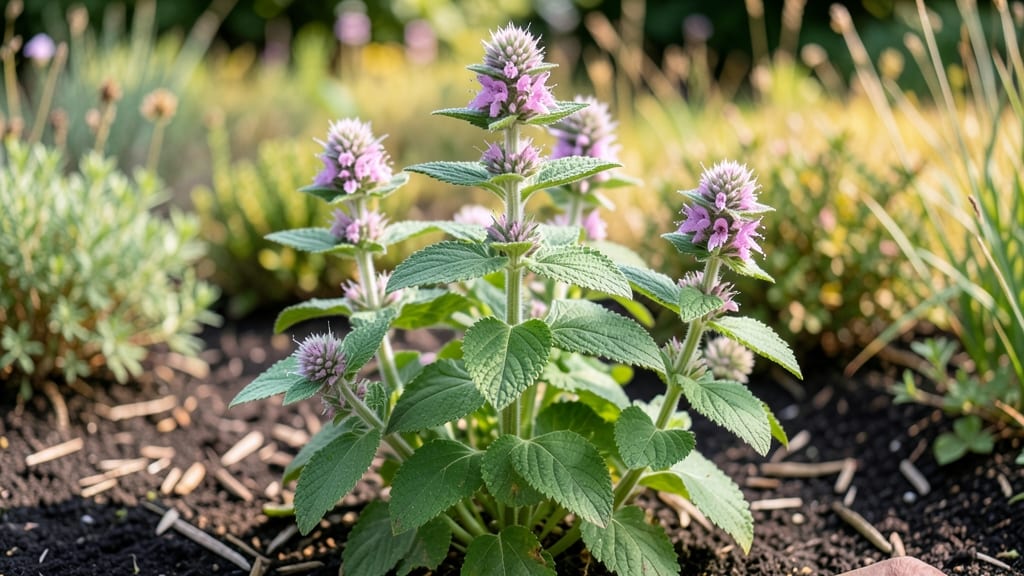
Nettle leaf horsemint isn’t just another pretty perennial—it’s a pest-repelling powerhouse that doubles as a fragrant, medicinal tea. 🌿 I’ve grown this tough native plant for years, and it’s become my go-to for keeping aphids and squash bugs off my vegetables while adding bold flavor to summer drinks.
This drought-tolerant herb thrives in full sun to partial shade and prefers well-draining soil, whether you plant it in garden beds or containers. It spreads easily through division, and once established, it practically takes care of itself—just trim back after blooming to encourage bushier growth.
You’ll harvest leaves and flowers for tea blends starting in early summer, with the plant putting on a show of lavender-pink blooms that hummingbirds adore. The scent alone deters pests, but the real magic happens when you brew it into tea—earthy, minty, and surprisingly refreshing.
Perfect for pollinator gardens, organic pest control, and herbalists. Here’s how to grow yours successfully from seed or division!
📚 In This Guide
- What you need
- Instructions
- Tips and common mistakes
- Wrapping up and next steps
What you need
- ● Fresh or dried nettle leaf horsemint: For pest control: 1–2 cups (fresh) or ¼–½ cup (dried) per gallon of water.
- ● For tea blends: 1–2 tbsp (fresh) or 1 tsp (dried) per cup of hot water.
- ● Water: 1 gallon (for pest spray) or 1 cup (for tea). Use filtered or rainwater for best results.
- ● Spray bottle or garden sprayer: A 1-quart pump sprayer works well for DIY pest control.
- ● Cheesecloth or fine mesh strainer: For straining tea or infused water.
- ● Glass jars or airtight containers: For storing dried herbs (e.g., 8–16 oz mason jars).
- ● Pruning shears or scissors: For harvesting fresh leaves (sterilized with rubbing alcohol).
- ● Drying rack or dehydrator: If preserving nettle leaf horsemint long-term.
- ○ Essential oils (optional): 5–10 drops of peppermint or lavender oil to enhance pest-repellent properties.
- ○ Citric acid or lemon juice: 1 tsp per gallon (optional, to stabilize the spray).
- ● Labeling markers: For marking jars with harvest dates.
Step-by-step guide to growing nettle leaf horsemint for tea and pest control
This hardy perennial thrives in partial shade and delivers dual benefits—repelling pests naturally while adding a unique tea flavor.
🌱 Step 1: Choose the Right Location and Prepare the Soil
Nettle leaf horsemint prefers partial shade with 4-6 hours of morning sun—too much direct afternoon sun scorches its broad leaves. I always plant mine where it gets dappled light from nearby trees or along a north-facing fence. The soil should drain well but retain moisture; amending with 2-3 inches of compost before planting ensures nutrients stay available.
Test your soil's moisture by squeezing a handful—it should hold together but not feel soggy. If your soil drains too quickly, mix in 1 part peat moss to 3 parts native soil. Horsemint dislikes competition, so clear any weeds within a 2-foot radius before planting. This herb spreads aggressively, so contain it with a 12-inch deep root barrier if needed.
🌿 Step 2: Plant Starts or Sow Seeds at the Right Time
For fastest results, plant 4-inch nursery starts in early spring after the last frost when soil warms to 60°F. Dig holes twice as wide as the root ball but only as deep—planting too deep suffocates the crown. Space plants 18-24 inches apart to allow for their bushy growth habit. If starting from seed, sow in late spring after soil temperatures stabilize above 55°F—horsemint seeds germinate slowly in cool soil.
Water deeply at planting to settle the soil, then let the surface dry slightly before watering again. You'll know moisture is right when the top ½ inch of soil feels slightly damp but not wet. Mulch with 2 inches of straw to conserve moisture and suppress weeds—this herb hates competition but thrives with consistent moisture.
☀️ Step 3: Maintain Through the Growing Season
Water 1-2 times per week during dry spells, aiming for 1 inch of water per week. Horsemint's deep roots make it drought-tolerant once established, but young plants need consistent moisture. You'll see new growth within 3-4 weeks of planting—this is your signal the plant is thriving. Fertilize lightly in early summer with a balanced 10-10-10 fertilizer at ½ the recommended rate to avoid leaf burn.
Watch for aphids or spider mites—both pests love horsemint's tender new growth. Instead of chemicals, I crush a few leaves and rub them on affected areas; the plant's natural menthol oils deter pests within 24 hours. Deadhead spent flowers in late summer to encourage bushier growth and prevent self-seeding where you don't want it.
✂️ Step 4: Harvest and Preserve for Tea and Pest Control
Harvest leaves in late morning after dew has dried—this maximizes essential oil content. Use clean, sharp scissors to snip just above a leaf node, leaving ½ the plant's foliage to continue growing. For tea blends, dry leaves in a shady, well-ventilated area for 3-5 days, then store in an airtight container. You'll need about 1 cup of fresh leaves to make 1 quart of pest-repellent tea for spraying on garden plants.
To make the spray, steep 1 cup dried leaves in 4 cups boiling water for 1 hour, strain, and mix with 1 tablespoon mild soap as an emulsifier. Spray on garden plants in early evening to avoid sunburn. The tea's menthol scent masks plant odors that attract pests while providing a mild fungicidal effect.
Tips & tricks for perfect nettle leaf horsemint cultivation
Here's what nobody tells you about growing this versatile herb that'll transform your garden and tea blends.
Lighting Precision: That 4-6 hours of morning sun is non-negotiable—afternoon sun will scorch the broad leaves faster than you can react. I've learned this the hard way after losing entire plants to afternoon heat. Look for locations with dappled shade from nearby trees or structures that filter the sun rather than block it completely. A north-facing fence works perfectly for this.
Soil Moisture Secret: The "squeeze test" for soil moisture is your best friend. When you squeeze a handful, it should hold together but not feel soggy—think of it like damp sand at the beach. If your soil drains too quickly, the peat moss blend (1 part peat to 3 parts native soil) creates the ideal moisture-retaining environment. This herb's deep roots need consistent moisture but will rot if waterlogged.
Pest Defense Strategy: Horsemint's natural menthol oils are its best defense, but you'll still see aphids or spider mites on tender new growth. Instead of reaching for chemicals, crush a few leaves and rub them directly on affected areas. The menthol releases immediately and creates a protective barrier that deters pests within 24 hours. This works because the plant's own compounds become its armor.
Harvest Timing: Those 3-5 days of drying time for tea leaves are crucial for preserving the menthol oils that give horsemint its distinctive flavor. I always harvest in late morning after dew has dried—this maximizes essential oil content. Place leaves in a single layer on a mesh screen or paper towel in a shady, well-ventilated area. Direct sunlight during drying will bleach the leaves and reduce their potency.
Pro Tips for Nettle Leaf Horsemint
- Here's what nobody tells you about growing this versatile herb that'll transform your garden and tea blends.
- Lighting Precision: That 4-6 hours of morning sun is non-negotiable—afternoon sun will scorch the broad leaves faster than you can react.
- Soil Moisture Secret: The "squeeze test" for soil moisture is your best friend.
Frequently asked questions
about nettle leaf horsemint—your go-to herb for pest control and tea blends!Can I use nettle leaf horsemint indoors for pest control?
Yes, but with caution! Place potted horsemint near windows or doorways to deter pests like ants and spiders. Avoid direct contact with pets or small children, as the scent can be overpowering. For indoor use, opt for dried leaves in sachets or sprays for a milder effect.
When is the best time to harvest nettle leaf horsemint?
Harvest leaves in the morning after the dew has dried but before the sun peaks (around 10 AM). Aim for the early flowering stage (late spring to early summer) for the strongest pest-repelling oils. Avoid harvesting after rain to prevent mold.
Is nettle leaf horsemint safe to drink as tea?
Yes, but moderate consumption is key! While horsemint is generally safe, its high menthol content can cause heartburn or nausea in large amounts. Start with 1 tsp dried leaves per cup and steep for 5–10 minutes. Avoid if you’re pregnant or have mint allergies.
What’s a good alternative if I can’t find nettle leaf horsemint?
Try peppermint or catnip for pest control, or spearmint for tea blends. For a nettle-like flavor, substitute with stinging nettle leaves (cooked or dried). Each has unique properties—experiment to see what works best for your needs!
Why isn’t my horsemint repelling pests effectively?
Check these fixes:
- Freshness: Use dried leaves (not wilted) or fresh clippings.
- Placement: Keep plants near pest entry points (not buried in soil).
- Combination: Mix with garlic or citrus peels for a stronger effect.
- Reapplication: Refresh sprays or sachets every 2–3 weeks.
Wrapping up and next steps
Nettle leaf horsemint is a true powerhouse—whether you're battling pests in your garden or crafting soothing herbal teas! 🌿 Its dual-purpose nature makes it a must-have for eco-conscious gardeners and wellness enthusiasts alike. With just a few simple steps, you can harness its natural benefits while enjoying its aromatic charm.
Ready to try it out? Start small—grow a patch in your garden or experiment with a few leaves in your next tea blend. Your garden (and taste buds) will thank you!
- 🌱 Next step: Plant a few horsemint seeds or snag a starter plant today!
- 📝 Pro tip: Keep a journal to track pest control results and tea recipes.