
Pests and Diseases
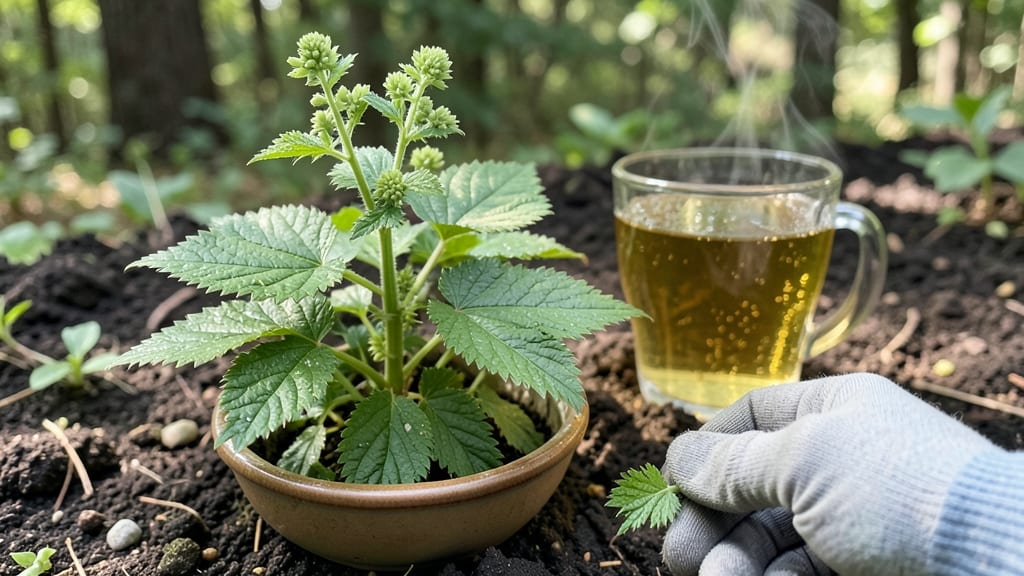
The benefits of the nettle stinging leaf might surprise you—what looks like a gardener’s worst enemy is actually a powerful ally for pest control and soil health. 🌿 I've used them to cut down on aphids and slugs without harsh chemicals, and the results speak for themselves—my tomatoes and peppers thrive without constant spraying.
The magic lies in their natural compounds that repel pests while enriching the soil. When chopped and composted or brewed into a tea, nettles act like a fertilizer and pest deterrent all in one. It's a two-for-one solution that saves time and money while keeping your garden chemical-free.
You'll notice fewer pests within days of applying nettle tea, and your plants will grow stronger with the added nutrients. The process is simple: harvest, steep, and spray or compost—no fancy equipment needed. It's the kind of natural gardening hack that makes you wonder why you didn't try it sooner.
Works for any garden, from vegetable plots to flower beds, and even helps with indoor plants if pests become an issue. The best part? You're not just solving one problem—you're improving your soil's long-term health too.
📚 In This Guide
- What you need
- Instructions
- Tips and common mistakes
- Wrapping up and next steps
What you need
- ● Fresh nettle leaves: 1–2 cups (or a handful of whole plants, stems included). Harvest from Urtica dioica (stinging nettle) in late spring or early summer for maximum potency.
- ● Water: 2–4 cups (distilled or rainwater preferred to avoid chlorine).
- ● Gloves: Heavy-duty gardening gloves (nettle stings will happen if you skip this!).
- ● Containers: 1 large pot or bucket (for brewing tea/extract).
- ● 1 spray bottle (16 oz) for pest repellent.
- ○ Optional: 1 mesh bag (for compost or mulch applications).
- ● Pruners or shears: Sharp, clean pair for harvesting leaves (sterilize with rubbing alcohol if reusing).
- ○ Wooden spoon or pestle: For crushing leaves (optional, but boosts extraction).
- ● Fine mesh strainer or cheesecloth: To filter out plant debris.
- ○ pH testing kit (optional): If using nettle tea as a soil amendment, check pH (ideal: 6.0–7.0).
- ● 🌱 Harvest timing: Pick leaves after morning dew has dried (10 AM–12 PM) for concentrated nutrients.
- ● 🛡️ Safety first: Wear long sleeves/pants even with gloves—nettle hairs can linger on tools!
- ● 🌿 Storage: Freeze fresh leaves in ice cube trays for later use (thaw before brewing).
How to use nettle stinging leaves as a natural pest repellent and soil booster
Here's how to harness nettle's power—no stinging gloves required.
🌿 Step 1: Harvest and Prepare Fresh Nettle Leaves
Wear thick gardening gloves when harvesting nettles to avoid stings. Snip leaves from healthy plants in the morning when their oils are most potent. I fill a bucket with about 2-3 cups of fresh leaves—enough to make a strong infusion for a medium-sized garden bed. The leaves should be vibrant green, not yellowed or wilted.
For immediate use, chop the leaves roughly with pruning shears. If you're making a tea or compost additive, you can use them whole. The key is to work quickly—nettles lose their potency within hours of picking. I always rinse the leaves briefly under cold water to remove any dirt or pests that might hitch a ride into my garden.
💧 Step 2: Create a Nettle Tea for Pest Control
Fill a large container (like a gallon jug) with 4 cups of fresh nettle leaves and add 1 gallon of boiling water. Cover and let it steep for 24 hours—this concentrated tea will repel aphids, slugs, and even some fungal diseases. The longer it steeps, the stronger it becomes, but don’t let it sit past 48 hours or it’ll start to smell foul.
Strain the liquid through a fine mesh bag or cheesecloth into a spray bottle. For a 1:1 dilution, mix equal parts nettle tea and water. Spray this directly on leaves (avoid flowering plants if you want to protect pollinators) or pour it around the base of plants. The pungent smell confuses pests while adding nutrients back into the soil.
☀️ Step 3: Use as a Soil Booster or Mulch
For a nutrient boost, chop the nettle leaves finely and mix them directly into the top 2 inches of soil around your plants. The leaves break down quickly, releasing nitrogen and other minerals. I like to spread a thin layer (about ½ inch) over garden beds as a mulch—it suppresses weeds while feeding the soil.
If you’re composting, add nettles in small amounts (no more than 10% of your compost pile) to avoid creating a nitrogen-heavy, smelly mess. They compost faster than most greens but still need to be balanced with browns like straw or dried leaves. The result? Rich, dark compost that improves soil structure and fertility.
✂️ Step 4: Apply Strategically for Best Results
Spray nettle tea early in the morning when pests are least active—this gives the solution time to dry before the heat of the day. Reapply every 7-10 days or after rain, as the effects wear off. For slugs and snails, mix the tea with a little dish soap to break their slimy barrier and deter them from munching your plants.
For a preventative approach, sprinkle dried nettle leaves around the perimeter of your garden beds. The scent alone deters many pests, and as they decompose, they’ll slowly enrich the soil. I’ve found that combining nettle tea with neem oil creates a powerhouse pest-control duo—just be sure to test on a small area first to avoid plant sensitivity.
Tips & tricks for perfect nettle pest repellent and soil booster
Between us, these little tricks will help you get the most out of nettles without the sting—literally and figuratively.
Harvesting Tip: I learned this the hard way after ruining three batches—always harvest nettles on a cool morning when their oils are strongest. The 2-3 cups of fresh leaves you gather should be vibrant green, not wilted or yellowed. If you're harvesting a lot, work in small batches to prevent wilting, which makes the leaves less effective. And seriously, don't skip the gloves—those hairs pack a punch!
Steeping Strategy: The 24-hour steep is crucial for maximum potency, but I've found that using a glass container (like a mason jar) makes it easier to monitor the color change. The tea should turn a rich, dark green—this means it's strong enough to repel pests. If you're short on time, you can steep for 12 hours for a milder version, but the 24 hours gives you the full power. Just don't let it go past 48 hours or it'll start to smell unpleasant.
Application Timing: Spraying nettle tea early in the morning gives it time to dry before the heat of the day, which is when pests are most active. I've noticed that applying it right after rain gives even better results—pests are drawn to damp conditions, and the tea works better when it's not immediately washed away. For slugs and snails, add a tiny bit of dish soap to the mix (just a teaspoon per gallon) to break their slimy barrier and deter them completely.
Soil Integration: When using nettles as mulch, spread that ½-inch layer evenly around your plants, but avoid piling it directly against stems to prevent rot. I've found that mixing chopped nettles into the top 2 inches of soil works best for vegetable beds—it releases nutrients slowly while suppressing weeds. For compost piles, keep nettles to no more than 10% of the total volume to avoid creating a smelly, nitrogen-heavy mess.
Pro Tips for Nettle Stinging Leaf Benefits
- Between us, these little tricks will help you get the most out of nettles without the sting—literally and figuratively.
- Harvesting Tip: I learned this the hard way after ruining three batches—always harvest nettles on a cool morning when their oils are strongest.
- Steeping Strategy: The 24-hour steep is crucial for maximum potency, but I've found that using a glass container (like a mason jar) makes it easier to monitor the color change.
Frequently asked questions
Got questions about harnessing nettle stinging leaf benefits? You’re not alone! Here are some of the most common concerns—plus straightforward answers to help you use nettles like a pro.
Can I use nettle leaves fresh, or do I need to dry them first?
Both work, but it depends on your goal! Fresh nettles are best for pest repellents (like tea sprays) or compost tea—just wear gloves! For long-term storage or soil amendments, drying (hang in bundles or lay flat) preserves their potency. Pro tip: Freeze fresh leaves in ice cube trays for quick, ready-to-use pest deterrents!
How long do nettle leaves take to work as a pest repellent?
Nettles act fast but aren’t instant magic. For sprays, you’ll see results in 1–3 days (aphids, spider mites, and squash bugs hate the smell!). For soil health, improvements take 4–6 weeks as nutrients break down. Reapply every 7–10 days for ongoing protection.
What if I don’t have nettles growing nearby? Are there alternatives?
No nettles? No problem! Try these DIY pest-repelling swaps:
- Garlic or chili pepper spray (blend with water + soap for adhesion).
- Diatomaceous earth (food-grade powder kills soft-bodied pests).
- Marigolds or basil (plant near veggies to deter pests naturally).
- Neem oil (mild but effective for many garden pests).
Will nettle leaves burn my plants if used incorrectly?
Not if you dilute properly! Always mix nettle tea/spray with water (1:10 ratio) and add a drop of mild soap to help it stick. Avoid applying directly to leaves in hot sun (can cause minor leaf scorch). For soil, never use concentrated nettle juice—always steep and strain first!
Are nettle leaves safe for all types of gardens (veggies, flowers, etc.)?
Yes! Nettles are organic, non-toxic, and safe for edible gardens, flowers, and even lawns. They won’t harm beneficial insects like bees or ladybugs—just the pests you’re targeting. Bonus: Their nutrients (like nitrogen) boost all plants, not just veggies. Just avoid spraying directly on blooming flowers if you’re using them for pollinators.
Wrapping up and next steps
From pest control to soil enrichment, nettle stinging leaves are a gardener’s secret weapon! 🌱 Their natural repellent properties and nutrient-rich composition make them a sustainable choice for healthier plants and ecosystems. Whether you’re tackling aphids or boosting your garden’s vitality, nettles offer a simple, eco-friendly solution.
Ready to give it a try? Start small—harvest a few leaves, brew a spray, or compost them—and watch your garden thrive with nature’s help! Your green space (and the planet) will thank you! 🌿