
Vegetables
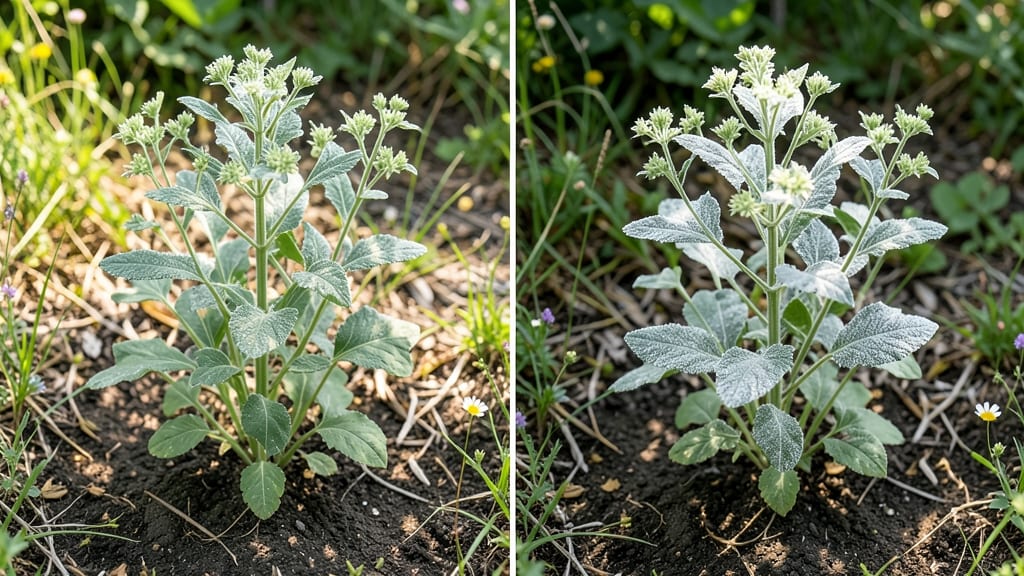
Confusing these two edible weeds could mean missing out on a nutrient-packed harvest. 🌱 Nettleleaf goosefoot (Chenopodium suberosum) and lambsquarters (Chenopodium album) look similar but have key differences in taste, growth, and hardiness that matter when you're foraging or growing them intentionally.
One thrives in heat, while the other bolts faster—knowing which is which means better meals and fewer wasted trips to the garden.
Lambsquarters, the more common of the two, grows fast and tastes like spinach when young—mild, slightly sweet, and perfect for sautéing or blending into soups. It handles poor soil and drought better than most greens, making it a low-maintenance superfood for beginners.
Nettleleaf goosefoot, meanwhile, has a stronger, earthier flavor closer to Swiss chard, with thicker stems that work well in stir-fries or as a cooked green.
You’ll harvest lambsquarters 3-4 weeks after sprouting, while nettleleaf goosefoot takes a little longer—5-6 weeks—but rewards you with a more robust texture. Both are packed with vitamins A and C, but nettleleaf goosefoot also contains higher levels of calcium and iron, making it a powerhouse for nutrient-dense meals.
The difference in growth speed means lambsquarters is your go-to for quick harvests, while nettleleaf goosefoot is the patient gardener’s choice.
Regional adaptability plays a role too: lambsquarters dominates cooler climates, while nettleleaf goosefoot prefers warmer, drier conditions. If you’re growing them side by side, you’ll notice lambsquarters bolting earlier in hot weather, while nettleleaf goosefoot stays sturdy.
For pest resistance, both are tough—deer and rabbits usually avoid them—but nettleleaf goosefoot handles drought slightly better once established.
The first product explained
Meet Nettleleaf Goosefoot (Chenopodium glaucum), a nutrient-packed edible weed that’s often mistaken for its cousin, lambsquarters! This hardy annual thrives in disturbed soils and is a favorite among foragers for its mild, spinach-like flavor and impressive nutritional profile. 🌱💚
Key Specs & Features
- Appearance: Broad, arrow-shaped leaves with a slightly waxy, bluish-green hue. Stems are reddish and hairy, and flowers form in dense, green clusters.
- Growth Habit: Grows 1–3 feet tall, spreading aggressively in gardens, fields, and roadsides. Prefers full sun but tolerates partial shade.
- Edible Parts: Young leaves (raw or cooked), stems (tender when young), and seeds (nutty flavor, often toasted).
- Flavor Profile: Mild, earthy, and slightly tangy—similar to spinach or Swiss chard but with a hint of beet sweetness.
- Nutritional Powerhouse:
- Rich in vitamin C, iron, and calcium.
- High in omega-3 fatty acids (especially in seeds).
- Contains rutin, an antioxidant that supports heart health.
- Caution: Avoid if you’re allergic to Chenopodium species or spinach. Harvest away from polluted areas.
Who’s It For?
This weed is a game-changer for:
- 🌿 Foragers & Survivalists: Easy to spot, abundant, and packed with survival nutrients.
- 🍽️ Home Gardeners: Treat it as a wild green—great for stir-fries, soups, or salads.
- 💪 Health Enthusiasts: Boost your diet with zero-cost superfoods!
- 👩🌾 Educators: Teach kids (safely!) about edible weeds and sustainable foraging.
Price Point & Value
💰 Free! Since nettleleaf goosefoot grows wild, there’s no cost—just time and knowledge. If you’re buying seeds (for cultivation), expect to spend $2–$5 per packet from specialty seed suppliers. The real value? A sustainable, zero-waste food source that outshines store-bought greens in nutrition and flavor.
Pro Tip: 💡 Harvest young leaves for the mildest taste, and blanch older leaves to reduce oxalates. Store in the fridge for up to 5 days or freeze for longer shelf life!
The second product explained
Meet your edible weed superstar: Lambsquarters! 🌱✨ If you're looking for a nutrient-packed, versatile green that grows like a weed (literally!), this is the plant for you. Rich in protein, fiber, and essential vitamins, Lambsquarters is a powerhouse for foragers, homesteaders, and health-conscious cooks alike.
📏 Specs & Features
Lambsquarters (Chenopodium album) is an annual broadleaf plant that thrives in disturbed soils, making it a common "weed" in gardens and fields. Here’s what you need to know:
- Height: 1–5 feet tall (depends on growing conditions)
- Leaves: Broad, triangular, and slightly fuzzy with a grayish-green hue. Young leaves are tender and delicious!
- Stems: Branched, often reddish, and covered in fine hairs
- Flowers: Tiny green clusters that later turn into small, spiky seed heads (edible too!)
- Season: Grows year-round in warm climates; spring to fall in cooler regions
🎯 Target Users
Who should add Lambsquarters to their foraging toolkit?
- 🌿 Foragers and Survivalists: Easy to spot and harvest—perfect for beginners!
- 🍽️ Chefs and Home Cooks: Use it like spinach in soups, stir-fries, or as a cooked green side dish.
- 💪 Health Enthusiasts: Packed with omega-3s, calcium, and iron—a true superfood!
- 🏡 Homesteaders and Gardeners: Consider it a "free" crop—it grows prolifically and suppresses weeds.
- 🐝 Pollinator-Friendly Gardeners: Its flowers attract beneficial insects to your garden.
💰 Price Point
Here’s the best part: Lambsquarters is completely free! 🎉 No seeds to buy, no garden space required—just harvest what’s already growing in your yard, fields, or roadsides. (Always confirm ID with a local foraging guide to avoid look-alikes!)
If you’re feeling adventurous, you can even save and replant seeds for a future crop. Just let the seed heads dry out, collect them, and store in a cool, dry place. Next year, you’ll have a volunteer garden of nutrient-rich greens!
Head-to-head comparison
🌱 Performance: Growth & Harvestability
When it comes to how these edible weeds perform in your garden or wild foraging adventures, a few key differences stand out. Let’s break it down:
- Growth Speed & Adaptability:
Nettleleaf Goosefoot (Chenopodium murale) is a powerhouse grower, thriving in disturbed soils and even urban environments. It sprouts quickly and can reach 1-3 feet tall in a short span, making it a favorite for fast greens. However, it’s a bit more particular about soil—it prefers rich, moist conditions and may struggle in dry or sandy soil.
Lambsquarters (Chenopodium album), on the other hand, is the ultimate survivor. It grows even faster (often within weeks of planting or sprouting) and can tolerate poor soil, drought, and even shade. This makes it ideal for beginners or those foraging in less-than-ideal conditions. It can grow up to 5 feet tall, with broad, fuzzy leaves that are easy to spot.
- Harvest Window:
Nettleleaf Goosefoot has a shorter harvest window—you’ll want to pick leaves and young shoots before it bolts (goes to seed), typically in early spring or fall. Once it flowers, the leaves become tougher and less palatable.
Lambsquarters stays tender and productive for longer, often well into summer. You can harvest leaves continuously as long as you don’t let it flower, though the flavor mellows slightly as it matures.
- Yield:
Both weeds produce abundantly, but Lambsquarters often delivers higher yields per plant due to its aggressive growth. Nettleleaf Goosefoot yields are solid but may be more localized depending on soil quality.
🍽️ Features: Taste, Texture & Culinary Uses
If you’re growing these weeds for the kitchen, their flavors and textures play a huge role in deciding which one wins your heart (and plate!). Here’s how they stack up:
| Feature | Nettleleaf Goosefoot | Lambsquarters |
|---|---|---|
| Flavor Profile | Earthy, slightly nutty with a mild spinach-like taste. Some describe it as more intense than spinach, with a hint of beet or Swiss chard. | Mild, sweet, and delicate—often compared to spinach or kale but with a buttery note. Less bitter than many wild greens. |
| Texture | Crisp when young, but can become tough and fibrous if harvested late. Leaves are thicker than Lambsquarters. | Tender and silky even when mature. The fuzzy coating gives it a soft, almost velvety feel. |
| Best Uses |
|
|
| Nutritional Highlights |
Rich in vitamin A, C, and calcium. Also contains omega-3s and antioxidants, though slightly lower in protein than Lambsquarters. |
One of the most nutrient-dense greens—packed with vitamin K, magnesium, and iron. Higher in protein and fiber than most leafy greens. |
💰 Price & Accessibility
If you’re foraging or growing these weeds, cost is practically $0—but let’s talk about accessibility and effort!
- Foraging Difficulty:
Lambsquarters is the easier weed to find. It grows everywhere—roadsides, gardens, and even cracks in pavement. Its large, fuzzy leaves make it unmistakable.
Nettleleaf Goosefoot is less common in urban areas but still pops up in disturbed soils, fields, and near buildings. It’s smaller and less obvious, so you might need to look closer.
- Growing from Seed:
Both are cheap and easy to grow from seed. Lambsquarters seeds are widely available (even in some grocery stores as "wild spinach"). Nettleleaf Goosefoot seeds are rarer but can be found from heirloom seed suppliers.
- Maintenance Cost:
Since both are perennial in warm climates (or self-seed aggressively), you’ll rarely need to replant. However, Lambsquarters may require more frequent weeding because it spreads so quickly!
🛡️ Durability & Longevity
How long these weeds stay useful—and how tough they are—depends on your climate and care. Here’s the breakdown:
- Cold Hardiness:
Lambsquarters is the tougher of the two. It survives light frosts and can even regrow after being mowed. It’s a cool-season crop that thrives in spring and fall.
Nettleleaf Goosefoot is less cold-hardy and may bolt or die back in harsh winters. It’s best grown in mild climates or as an annual.
- Drought Tolerance:
Lambsquarters wins here. It can withstand dry spells better than Nettleleaf Goosefoot, which prefers
Which one should you choose?
So, you’ve made it to the big question: Nettleleaf Goosefoot or Lambsquarters—which one should you pick? 🌱 The answer depends on your goals, whether you’re foraging for fun, survival, or a gourmet meal. Let’s break it down so you can make the best choice for your needs.
🌿 For the Forager & Survivalist
If you’re out in the wild or just love exploring edible plants, Lambsquarters is your best bet. 🏆 It’s more widely distributed, easier to identify (thanks to its fuzzy leaves and broad shape), and packed with nutrients.
Plus, you can eat almost the whole plant—roots, stems, and all! Nettleleaf Goosefoot is still edible, but its slightly bitter taste and less forgiving ID quirks make it a secondary choice.
🍽️ For the Home Chef & Gardener
Both plants are fantastic in the kitchen, but Lambsquarters wins for versatility. 🥗 It’s milder, sweeter, and thrives in gardens, making it perfect for salads, sautéing, or even baking into flatbread.
Nettleleaf Goosefoot has a unique, slightly earthy flavor that pairs well with bold dishes, but it’s trickier to grow and harvest in large quantities. If you’re experimenting with wild greens, try both—but start with Lambsquarters for reliability.
💡 Pro Tip for Health-Conscious Eaters
Both are nutritional powerhouses, but Lambsquarters edges out with higher calcium, iron, and vitamin A content. 📊 If you’re looking to boost your greens intake, Lambsquarters is the clear winner. Nettleleaf Goosefoot still offers great benefits, especially in fiber and antioxidants, but it’s not as consistently abundant.
⚠️ Important Reminder
Never eat a plant unless you’re 100% sure of its identity. Both Nettleleaf Goosefoot and Lambsquarters can be confused with toxic lookalikes, so always cross-check with a field guide or expert. When in doubt, don’t eat it!
Final Verdict: Lambsquarters is the all-around champion—easier to find, more forgiving to prepare, and packed with flavor and nutrients. But if you’re up for a challenge and love unique tastes, Nettleleaf Goosefoot is a delicious (and nutritious) wild card. Happy foraging! 🌿🍴