
Vegetables
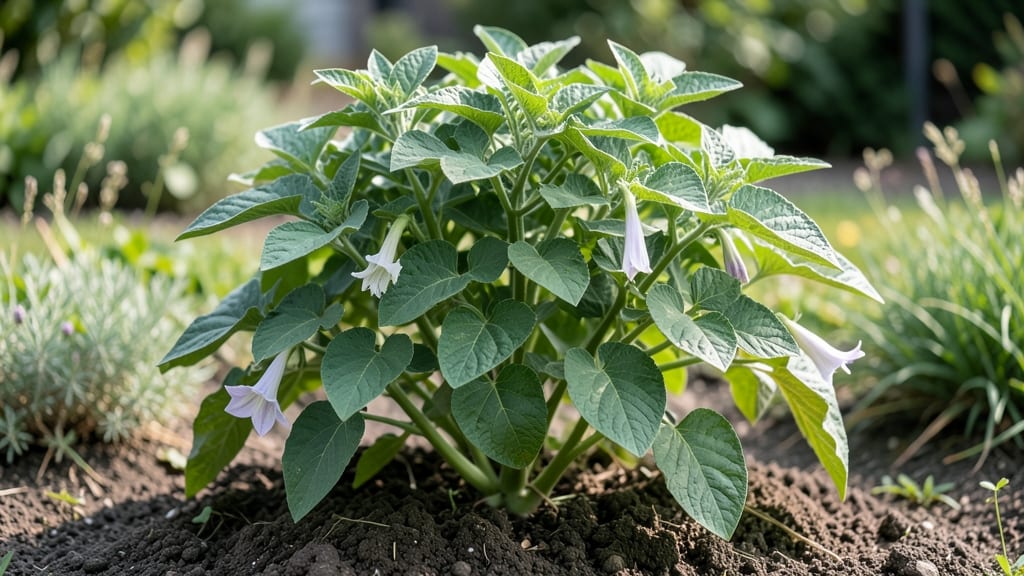
Growing New Leaf potatoes changed how I think about harvests—no digging, no waste, just year-round tubers ready when you need them. 🌱 These cold-hardy perennials multiply underground each season, giving you free plants and endless potatoes with minimal effort.
The secret lies in their shallow roots and adaptability, but getting started requires the right approach to avoid common pitfalls like rot or blight.
You'll need well-draining soil rich in organic matter (think compost or aged manure) and a spot with 4-6 hours of sunlight daily.
Planting is simple: cut seed potatoes into chunks with at least one "eye," let them callus for a day, then tuck them 4 inches deep in early spring. Water consistently—about 1 inch per week—but avoid soggy soil, which invites disease. Mulch heavily in winter to protect tubers from freezing.
By late summer, you'll see foliage thicken and tubers form just below the surface. Harvest when tops yellow and die back, gently brushing away soil to reveal small, waxy potatoes perfect for boiling or roasting.
The best part? A few tubers left in the ground will regrow next spring, giving you a self-sustaining crop. Few vegetables offer this kind of low-maintenance abundance.
Troubleshooting is straightforward: if leaves yellow, check for overwatering; if tubers rot, improve drainage. With proper care, these potatoes thrive in zones 3-9, making them ideal for cold climates. Start small—just 5-10 plants—and let them prove how easy reliable harvests can be.
📚 In This Guide
- What you need
- Instructions
- Tips and common mistakes
- Wrapping up and next steps
What you need
- ● New Leaf potato seeds or tubers: 1–2 lbs (450–900g) of certified disease-free seed potatoes (or 10–20 seed tubers, depending on variety).
- ● Pro tip: Choose heirloom or cold-hardy varieties like ‘Yukon Gold’ or ‘Red Pontiac’ for best results! 🌡️
- ● Growing medium: Well-draining, loamy soil (pH 5.0–6.5) or a mix of 50% garden soil + 50% compost.
- ○ Optional: Add perlite or vermiculite (10–20%) for improved aeration in containers.
- ● Containers (if applicable): 5–10 gallon pots (minimum 12" deep) with drainage holes.
- ● Fabric grow bags (14"–18" diameter) for easy harvests.
- ● Fertilizer: Balanced organic fertilizer (10-10-10 or 5-5-5) or compost tea.
- ○ Optional: Slow-release potato-specific fertilizer for extended harvests.
- ● Hand trowel or transplanting spade.
- ● Garden fork (for breaking up soil in beds).
- ● Watering can or hose with a gentle spray nozzle.
- ● Mulch (straw, grass clippings, or shredded leaves) to retain moisture.
- ○ Optional: Row covers or frost blankets for early/late season protection.
- ● Potato clipper (for harvesting small tubers without damage).
- ● Full sun exposure (6–8 hours daily).
- ● Chill hours (300–500) for tuberization (if starting from seed potatoes).
- ● Patience! New Leaf potatoes take 60–90 days to mature but reward you with year-round regrowth.
Step-by-Step instructions for growing New Leaf potatoes
Here's the foolproof method I use to grow these cold-hardy perennials—no digging required!
🌱 Step 1: Choose and Prepare Planting Site
New Leaf potatoes thrive in full sun to partial shade with well-draining soil. I always pick a spot that gets at least 4-6 hours of sunlight daily—they produce more tubers when happy. If your soil drains poorly, mix in 2-3 inches of compost to improve texture and fertility.
Loosen the top 6-8 inches of soil with a garden fork or tiller to help roots spread easily. Avoid fresh manure—it can burn tender tubers. The key is loose, crumbly soil that lets moisture flow through without pooling. You'll know it's ready when you can squeeze a handful and see it hold together but still crumble when poked.
🌱 Step 2: Plant Seed Tubers at Proper Depth
Plant whole, certified seed tubers (not grocery store potatoes) 4-6 inches deep and 12-18 inches apart in rows. I like to plant them 2-3 weeks before the last frost—they'll sprout even in cool soil. Cut larger tubers into 2-ounce pieces, ensuring each has at least 1-2 eyes (the little dimples).
Place the cut pieces in a shady spot for 24 hours to let the wounds dry and prevent rot. Then, position them with the eyes facing up—this is where the shoots will emerge. Cover lightly with soil and water gently to settle everything. You'll see green shoots within 2-3 weeks, even in chilly spring soil.
☀️ Step 3: Mulch and Maintain Through Growing Season
Once sprouts reach 6 inches tall, mound 4-6 inches of loose straw or straw mulch around the base of the plants. This keeps soil temperatures stable and encourages more tuber production. I add another 2 inches of mulch every 4-6 weeks as the plants grow taller—this is called "hilling," and it protects tubers from sunlight, which turns them green and bitter.
Water consistently to keep soil moist but not soggy. New Leaf potatoes are drought-tolerant once established, but they need steady moisture during tuber formation. You'll know you're on track when the plants produce lush foliage with white or purple flowers—this means they're storing energy in the tubers below.
⏰ Step 4: Harvest and Store for Year-Round Use
When the foliage yellows and dies back naturally (usually late summer to early fall), it's time to harvest. Use a garden fork to gently loosen the soil around the plants, then pull them up carefully. Shake off excess dirt to reveal the tubers—you'll be amazed at how many you've grown without digging!
Cure the tubers by storing them in a cool, dark place (40-50°F) with high humidity for 1-2 weeks. This helps toughen their skins for long-term storage. Once cured, they'll keep in a dry, frost-free location for months, giving you fresh potatoes long after other varieties have spoiled.
Tips & tricks for perfect New Leaf potato growth
These practical insights will help you maximize your harvest and avoid common pitfalls with cold-hardy New Leaf potatoes.
Soil Prep Secret: In Step 1, when loosening the top 6-8 inches of soil, I like to add a handful of perlite or coarse sand to improve drainage if my soil feels heavy. This mimics the well-draining conditions New Leaf potatoes love, especially in clay-heavy areas. The goal is soil that crumbles easily between your fingers—like damp potting mix—so roots can spread without sitting in soggy pockets.
Planting Timing Tip: The 2-3 weeks before last frost window in Step 2 is perfect because New Leaf potatoes can handle cool soil temperatures. I've planted them in late March in my zone 5 garden, and they sprouted just fine even when soil temps were only 45°F. Just avoid planting too early if your ground stays frozen—wait until you can work the soil easily.
Hilling Hack: When you're hilling in Step 3, use loose straw or even shredded leaves instead of compacted hay. The mulch should be fluffy enough that you can poke your finger through it easily—this prevents smothering the stems while still protecting tubers. I like to hill when plants reach 6 inches, then add another 2 inches every 4-6 weeks, building up to 12 inches total by harvest time.
Harvest Cue: In Step 4, don't wait until foliage is completely brown—harvest when it's just starting to yellow and die back. This gives you the sweet spot between maximum tuber size and preventing rot from overripe foliage. I usually harvest in late August in my climate, and the tubers are perfect for immediate use or storage.
Pro Tips for New Leaf Potato
- These practical insights will help you maximize your harvest and avoid common pitfalls with cold-hardy New Leaf potatoes.
- Soil Prep Secret: In Step 1, when loosening the top 6-8 inches of soil, I like to add a handful of perlite or coarse sand to improve drainage if my soil feels heavy.
- Planting Timing Tip: The 2-3 weeks before last frost window in Step 2 is perfect because New Leaf potatoes can handle cool soil temperatures.
Frequently asked questions
Got questions about growing New Leaf potatoes? You’re not alone—these cold-hardy perennials are unique, and even seasoned gardeners have curiosities! Here are answers to the most common queries to help you thrive with your harvest.
How cold can New Leaf potatoes tolerate?
New Leaf potatoes are exceptionally hardy—they survive winters in USDA Zones 3–9 with no protection in milder climates (Zones 5+). In colder zones (3–4), mulch heavily with straw or leaves to shield tubers from freezing. Even in sub-zero temps, they’ll bounce back in spring!
When should I harvest New Leaf potatoes?
Unlike annuals, New Leaf potatoes can be harvested year-round! Start digging new shoots in early spring (Zone 3: May; Zone 9: November). For best flavor, harvest when tubers are 2–3 inches wide. Leave some in the ground for regrowth—they’re perennials, after all!
Can I eat New Leaf potatoes raw?
Yes! Their thin skins and buttery texture make them perfect for raw snacks (sliced or diced). However, they’re best when lightly cooked (boiled, roasted, or mashed) for peak digestibility. Pro tip: Soak in cold water for 10 minutes to remove excess starch if eating raw.
How do I prevent New Leaf potatoes from going bitter?
Bitterness can occur if tubers are overcooked or stored improperly. To avoid it:
- Cook quickly (boil 10–15 mins) or roast at 375°F (190°C) until tender.
- Store in a cool, dark place (50–60°F / 10–15°C) with high humidity (use a paper bag or ventilated container).
- Avoid refrigeration—it converts starch to sugar, altering flavor.
What’s a good alternative if New Leaf potatoes don’t thrive in my climate?
If your zone is too hot (Zone 10+) or too wet, try these perennials:
Variety
Climate Fit
Harvest Notes
Oca (New Zealand Yam)
Zones 7–10; drought-tolerant
Harvest when skins crack (fall/winter).
Ullucco (Tree Potato)
Zones 8–11; thrives in heat
Gather tubers in late summer.
Yacon
Zones 6–10; loves moisture
Dig when leaves yellow (fall).
For cooler climates, Yukon Gold perennials (like ‘Adirondack Blue’) are a great backup!
Wrapping up and next steps
Growing New Leaf potatoes is your ticket to a low-maintenance, high-reward garden experience—whether you're a seasoned gardener or just starting out. These cold-hardy perennials offer year-round harvests with minimal effort, making them a game-changer for sustainable eating.
With the right soil, sunlight, and a little patience, you’ll enjoy crisp, flavorful tubers without the annual replanting hassle.
Ready to dive in? Start small—plant a patch this season and watch your garden transform into a self-sustaining potato powerhouse. Happy growing! 🌱🥔