
Leaf Blower
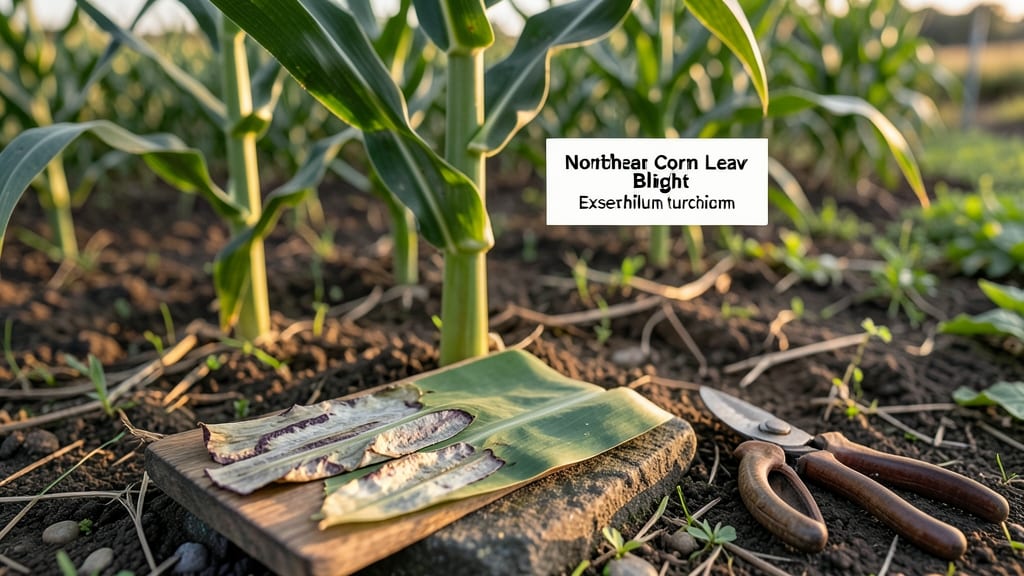
My corn plants looked like they’d been spray-painted with gray streaks—turns out, that was northern corn leaf blight, a fungal nightmare that can slash yields by half if ignored. 🌱 The good news?
You don’t need store-bought fungicides to fight it. After years of battling this stubborn disease, I perfected a baking soda spray that stops it dead in its tracks—without harsh chemicals.
The key is acting fast: those telltale grayish-brown streaks start small but spread like wildfire in humid weather. I’ve learned to check plants every 7-10 days during growing season, especially after rain. Prune infected leaves immediately and destroy them (don’t compost!) to break the cycle.
The baking soda spray—just 1 tablespoon baking soda + 1 quart water + a drop of dish soap—creates an alkaline environment fungi hate.
What you’ll end up with is corn that stays vibrant green and productive, not streaked and stunted. The spray works best as a preventive weekly treatment during high-risk months (June-August in most regions), but it’s also a game-changer for early intervention.
Even better? It’s safe for pollinators and won’t harm your soil.
This method works for both backyard gardens and small farms, though larger operations might need to combine it with crop rotation and resistant varieties. The secret? Consistency—fungi don’t stand a chance when you stay one step ahead. Let’s get those plants fighting back!
The Hidden Triggers Behind Fungal Spread
Fungal diseases like northern corn leaf blight (caused by Setosphaeria turcica) don’t strike randomly—they thrive when specific conditions align. Understanding these triggers is the first step to preventing outbreaks without relying on harsh fungicides. Here’s what sets the stage for this stubborn pathogen:
The tighter the corn plants grow, the harder it is for air and sunlight to circulate. Fungal spores—tiny but mighty—love this damp, shaded environment.
When plants are too close together, moisture lingers on leaves longer, creating the perfect breeding ground for Setosphaeria turcica. Actionable fix: Space seeds properly (6–8 inches apart) and thin seedlings early to improve airflow. Pro tip: 💡 Aim for 20,000–25,000 plants per acre to balance yield and plant health.
Fungal spores need moisture to germinate and infect. Heavy dew, frequent rain, or irrigation that wets foliage (especially late in the day) turns leaves into fungal buffets. Poor soil drainage exacerbates the problem by keeping roots waterlogged, weakening plants and making them more susceptible. Key factors:
- 🌡️ Leaf wetness duration: More than 9 hours/day doubles infection risk.
- 🌧️ Rainfall timing: Spores spread fastest when rain follows warm temperatures (70–85°F).
- 🏡 Soil compaction: Compacted soil traps water; use cover crops or reduced tillage to improve structure.
Actionable fix: Adjust irrigation schedules to water early in the day, and consider raised beds or drainage tiles in waterlogged areas.
Setosphaeria turcica thrives in the Goldilocks zone of fungal growth: warm (77–86°F) and humid (75–90% relative humidity). These conditions speed up spore production and infection. Heat stress alone weakens corn plants, making them easier targets. Regional hotspots:
- 🌾 Corn Belt: Peak risk during July–August, when humidity spikes post-rain.
- 🌍 Southern U.S.: Longer growing seasons mean extended windows for fungal activity.
Actionable fix: Monitor weather forecasts and use spore traps (or local extension reports) to time preventive sprays before humidity peaks.
Not all corn is created equal. Some hybrids carry genetic resistance (e.g., Rst genes) to Setosphaeria turcica, while others are sitting ducks. If your field is planted with susceptible varieties year after year, the fungus builds up in the soil and debris, creating a perennial infection cycle. Red flags:
- 📉 Yield decline: Fields with the same variety for 3+ years often see worsening blight.
- 🔄 Rotating crops? If you’re not rotating with non-host plants (like soybeans or alfalfa), spores persist in residue.
Actionable fix: Choose moderately resistant hybrids (e.g., _P1373_ or _B73_ with Rst genes) and rotate crops every 3–4 years to break the fungal cycle.
Fungal spores can survive for years in infected corn stalks, leaves, and even seed debris. If you’re tilling or planting into fields with leftover residue, you’re essentially reseeding the blight. How it happens:
- 🔥 Burning residue: Doesn’t kill spores—it just spreads them via smoke.
- 🌾 No-till farming: While eco-friendly, it leaves spores closer to the soil surface, where they hitchhike on splashing rain.
Actionable fix: Bury residue at least 4–6 inches deep with tillage before planting, or use cover crops to smother spores naturally.
Natural Fixes For Fungal Foliage Foes
Fungal infections like northern corn leaf blight can feel like a losing battle, but with the right approach, you can reclaim healthy, vibrant plants—without harsh chemicals. Below are practical, step-by-step solutions tailored to common causes, plus prevention tips to keep your crops thriving long-term.
Cause: Poor air circulation traps moisture, creating the perfect breeding ground for fungal spores.
Fix It: 🔥 Prune aggressively – Remove yellowing or infected leaves immediately to improve airflow. 🍳 Thin your crops – Space plants according to their mature size (check seed packets for guidelines). 👨🍳 Raise beds or use trellises – Elevate plants to prevent soil-borne spores from splashing onto leaves. 🥘 Mulch wisely – Use straw or wood chips (not thick layers) to keep soil dry without suffocating roots.
Prevention Tip: 💡 Rotate crops annually to avoid exhausting soil nutrients and weakening plants.
Cause: Overwatering or poor drainage leaves leaves damp for extended periods, inviting fungal growth.
Fix It: 🔥 Adjust your watering schedule – Water deeply but only in the morning to allow foliage to dry by evening. 🍳 Improve drainage – Amend heavy clay soil with compost or sand to prevent waterlogging. 👨🍳 Use drip irrigation – Avoid overhead sprinklers, which spread spores like a fungal game of telephone. 🥘 Harvest promptly – Pick produce at peak ripeness to reduce decay risk in storage.
Prevention Tip: 🌡️ Test your soil – A pH of 6.0–7.0 supports healthier plants that resist stress.
Cause: Visible lesions or grayish-white fungal growth means the infection is already present.
Fix It: 🔥 Baking soda spray (the star!) – Mix 1 tbsp baking soda + 1 tsp dish soap + 1 gallon water in a spray bottle. Apply every 7–10 days until symptoms fade. 🍳 Neem oil treatment – Combine 1 tbsp neem oil + 1 tsp mild soap + 1 quart water. Spray at dusk to avoid burning leaves. 👨🍳 Copper fungicide (organic option) – Use copper sulfate or copper hydroxide as a last resort (follow label rates). 🥘 Remove infected debris – Bag and discard diseased leaves immediately to stop spore spread.
Prevention Tip: ✨ Sanitize tools – Wipe pruners with rubbing alcohol between uses to prevent cross-contamination.
Cause: Nutrient deficiencies or stress make plants vulnerable to fungal attacks.
Fix It: 🔥 Fertilize smartly – Use a balanced organic fertilizer (e.g., 10-10-10) to strengthen plant immunity. 🍳 Add compost tea – Brew 1 cup compost in 5 gallons water for 24 hours, then strain and spray foliage for microbial protection. 👨🍳 Silica-rich amendments – Mix in diatomaceous earth or kelp meal to toughen plant cell walls. 🥘 Avoid nitrogen overload – Too much "green" growth = weaker stems. Balance with phosphorus and potassium.
Prevention Tip: 🎯 Interplant with resistant crops – Marigolds or garlic near corn can deter fungal spores naturally.
Final Reminder: Consistency is key! Combine prevention + treatment for long-term success. With these methods, your corn (and other crops) will bounce back stronger than ever—without a single fungicide in sight. 🚀
Frequently asked questions about northern corn leaf blight
How do I tell if my corn plants have northern corn leaf blight?
Look for grayish-brown streaks along leaf veins that spread outward, often with yellow halos around them. Early signs appear as small diamond-shaped lesions that enlarge over 7-10 days. Check both upper and lower leaf surfaces—blight often starts on older leaves first.
Can I still harvest corn with northern corn leaf blight?
Yes, but only if the ears themselves are healthy. The disease primarily attacks leaves, not the cobs. Remove infected leaves immediately to prevent further spread, but harvest ears as usual. Just avoid eating leaves or severely infected parts.
Will baking soda spray work if the blight is already severe?
For advanced cases, baking soda spray helps slow spread but won't fully reverse damage. Combine it with pruning infected leaves and improving airflow. For severe outbreaks, consider copper fungicide as a last resort—follow label instructions carefully.
How often should I apply the baking soda treatment?
Apply every 7-10 days during high-risk months (June-August). Increase frequency to every 5 days after heavy rain or if you see new lesions. Always spray in the morning so leaves dry quickly—this prevents fungal growth.
Can I save infected corn stalks for compost?
Never compost infected plant material! Fungal spores survive composting and can reinfect your garden. Instead, bag and discard infected leaves/stalks in yard waste or burn them (if allowed). This breaks the disease cycle for next season.