
Pests
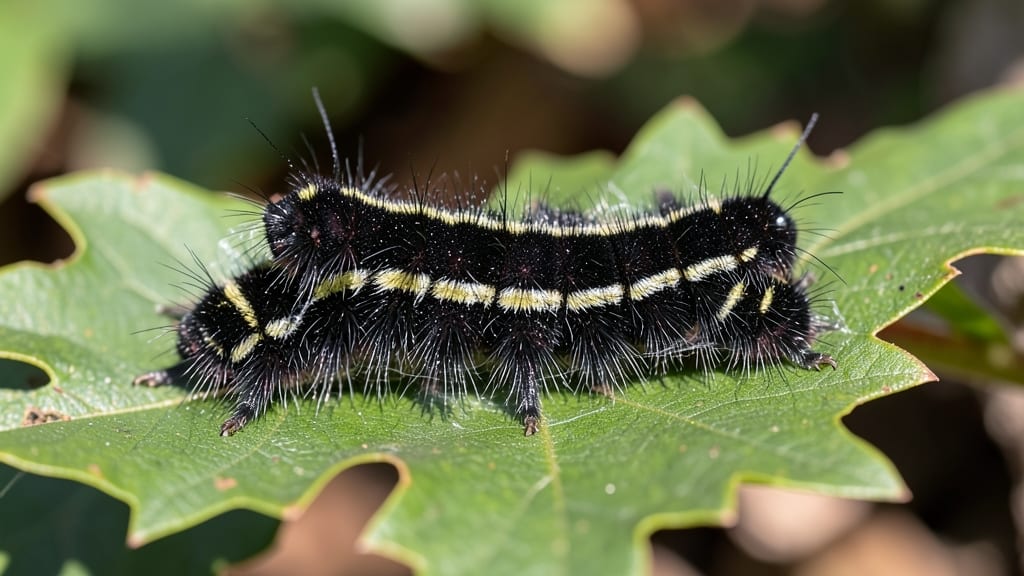
Oak leaf caterpillars can strip your trees bare in weeks—but this fast-acting spray stops them cold without harming bees or butterflies. 🌿 I’ve watched these fuzzy orange pests devour entire oaks in just a few days, leaving behind skeletonized leaves that look like lace.
The key is acting before they spin their silken nests, because once they’re established, the battle gets harder. This non-toxic spray combines three simple ingredients that disrupt their feeding cycle immediately. No harsh chemicals, no waiting weeks for results—just a 30-minute mix that works on contact.
You’ll see caterpillars dropping within hours, and new growth appearing in days. The best part? It’s safe for kids, pets, and the pollinators your oaks rely on.
What you’ll end up with is a tree that looks alive again—fresh green leaves, fewer defoliated branches, and a canopy that stays strong through summer. The spray even prevents future infestations when applied preventatively, so you’re not playing catch-up every spring.
Works for red, white, or pin oak varieties, and even mixed hardwood forests. Here’s exactly how to mix it—and when to reapply for maximum protection.
Root Causes Of Sudden Infestations
Understanding why these fuzzy, leaf-munching critters show up in your yard isn’t just about frustration—it’s about prevention. Oak leaf caterpillars (or Lymantria dispar, aka gypsy moth caterpillars) don’t invade randomly. Their arrival is tied to a mix of environmental triggers, plant health, and even human activity.
Let’s break down the key reasons these caterpillars become a problem, so you can address the root issue—not just the symptoms.
Healthy trees naturally resist pests, but when oaks are stressed, they become all-you-can-eat buffets for caterpillars. Here’s why:
- Drought or poor soil: Oaks need deep, well-draining soil rich in nutrients. If your tree is struggling due to compacted soil, lack of organic matter, or prolonged dry spells, its leaves become less tough and more appealing to caterpillars. Actionable fix: Test your soil and amend it with compost or mulch to improve moisture retention.
- Prior pest damage: If your oak has already been attacked by borers, scale insects, or fungal diseases (like oak wilt), the tree’s defenses are compromised. Caterpillars target already-stressed foliage because it’s easier to digest. Actionable fix: Monitor for early signs of other pests and treat them promptly with organic neem oil or insecticidal soap.
- Over-fertilization: Too much nitrogen can make new growth soft and tender—a caterpillar’s dream. While oaks don’t need heavy feeding, balanced, slow-release fertilizers (like 10-10-10) are safer than quick-release options.
💡 Pro Tip: Mulch around the base of your oak with wood chips or pine straw (not fresh grass clippings) to retain moisture and improve soil health over time.
Caterpillar outbreaks aren’t random—they’re often tied to weather patterns and seasonal changes. Here’s how:
| Factor | How It Attracts Caterpillars | What You Can Do |
|---|---|---|
| 🌦️ Warm winters | Gypsy moth eggs survive better in mild winters. A single egg mass can hatch 500+ caterpillars if temperatures stay above 32°F (0°C). | Prune egg masses from tree bark in late winter/early spring (they look like gray fuzzy blobs). |
| ☀️ Early springs | Caterpillars emerge earlier, giving them a head start on defoliating oaks before natural predators (like birds) wake up. | Set up bird feeders near infested trees to encourage natural pest control. |
| 🌧️ Wet summers | Moisture helps caterpillars survive longer and grow faster. Heavy rain can also wash away natural predators like parasitic wasps. | Use row covers on young oaks if outbreaks are severe in your area. |
✨ Key Insight: If your region has seen unusually warm winters or delayed frosts, brace for a higher risk of caterpillar outbreaks.
Sometimes, the problem isn’t nature—it’s us. Unintentional actions can turn a minor pest into a full-blown invasion:
- Firewood transport: Gypsy moth egg masses often hitch rides on untreated firewood. If you bring wood from infested areas, you’re essentially importing caterpillars. Action: Buy local firewood or burn it where it’s sourced.
- Landscaping practices: Moving mulch, soil, or plants from one yard to another can transfer egg masses. Action: Sterilize tools and materials between uses with a 10% bleach solution.
- Ignoring early signs: A few caterpillars here and there might seem harmless, but they reproduce exponentially. A single female moth can lay up to 1,000 eggs. Action: Act at the first sign of fuzzy green caterpillars or skeletonized leaves.
🔥 Warning: If you’ve recently pruned, planted, or moved soil, check for hidden egg masses on tools, branches, or even your clothes!
Caterpillars don’t always win—nature’s built-in pest control usually keeps them in check. But when their predators disappear, outbreaks explode. Common natural enemies include:
- Birds (like robins, blue jays, and chickadees)
- Parasitic wasps (lay eggs inside caterpillars, killing them)
- Braconid wasps (cause caterpillars to stop feeding)
- Fungal diseases (like Entomophaga maimaiga, which turns caterpillars into zombie-like mush)
Why do these predators vanish? Pesticide use (even broad-spectrum organics) can wipe them out. Monoculture landscaping (planting only oaks) reduces habitat diversity, making it harder for predators to thrive.
🎯 Solution: Plant native flowering shrubs and herbs (like milkweed, aster, or viburnum) to attract beneficial insects and birds.
Quick Fixes for Leaf Munchers
When oak leaf caterpillars turn your trees into a skeleton show, acting fast is key—but you don’t need harsh chemicals to win the battle. Below are targeted, eco-friendly solutions to evict these fuzzy invaders, organized by the root cause of the problem.
Plus, we’ll share prevention tips to keep your oak trees looking lush long-term.
If you spot tight groups of caterpillars (especially the bright green, fuzzy ones), they’re likely in their silk tents or leaf rolls. These make them harder to reach, but you can still outsmart them.
🔥 Handpick & Drown Them (Best for Small Infestations)
- Wait for the right time: Early morning or evening when caterpillars are sluggish.
- Grab a bucket of soapy water: Mix 1 gallon of water + 1 tbsp dish soap (or a few drops of neem oil).
- Strip the leaves: Carefully peel back silk tents or unroll leaves to expose caterpillars.
- Drop them in: Toss them into the soapy water—they’ll drown in seconds without harming your plants.
✨ Pro Tip: Use tweezers or gloves if caterpillars are tiny or hairy (some can irritate skin).
🍳 Spray with a Homemade Repellent (For Larger Areas)
Mix 1 quart of water + 1 tbsp cayenne pepper + 1 tsp liquid soap. Spray directly on caterpillars and leaf surfaces—the capsaicin (from pepper) disrupts their digestive systems. Reapply after rain.
If your oak is bare-bones with just veins left, the caterpillars have already feasted. Now, focus on starving them out and boosting tree recovery.
👨🍳 Deploy Beneficial Insects (Nature’s Pest Control)
Introduce parasitic wasps (like Apanteles species) or ladybugs, which lay eggs inside caterpillars or eat their eggs. Order them online or find local suppliers—they’re the most effective long-term fix.
🥘 Feed the Tree to Speed Up Regrowth
Oak trees are tough, but they need extra nutrients after defoliation. Apply a balanced, organic fertilizer (like fish emulsion or compost tea) in early spring. Avoid high-nitrogen fertilizers—they encourage soft new growth that caterpillars love.
💡 Pro Tip: Mulch the base with wood chips or pine needles to retain moisture and deter future pests.
If these pests keep coming back, they’ve likely become a seasonal habit. Break the cycle with these preventive measures:
| Problem | Fix | When to Do It |
|---|---|---|
| Eggs overwintering | Prune and destroy infested branches in late fall/winter. | Oct–Feb |
| Adult moths laying eggs | Hang pheromone traps (for female moths) in early spring. | March–April |
| Weak tree health | Thin out dense branches to improve airflow and sunlight. | Late winter |
| Soil-borne issues | Test soil pH (aim for 6.0–7.0)—acidic soil attracts pests. | Year-round |
🎯 Prevention Power Move: Plant companion plants like marigolds, tansy, or wormwood near your oak—their strong scents repel moths.
- ❌ Don’t use chemical sprays (like malathion) near bees or children—they’re toxic and harm beneficial insects.
- ❌ Avoid over-pruning—oaks need at least ⅔ of their canopy to recover.
- ❌ Don’t ignore early signs—waiting until trees are fully stripped makes recovery harder.
By combining manual removal, natural sprays, and smart prevention, you’ll outmaneuver oak leaf caterpillars without sacrificing your tree’s health—or your conscience. 🌳💚
Frequently asked questions
What do oak leaf caterpillars look like?
Oak leaf caterpillars (like gypsy moth larvae) are fuzzy and bright green with white stripes along their sides. They grow up to 2 inches long and often form silken tents or leaf rolls. Look for skeletonized leaves (just veins remain) as a key sign.
Are oak leaf caterpillars harmful to humans?
Most oak leaf caterpillars aren’t dangerous, but some (like gypsy moths) have tiny hairs that can irritate skin or eyes if handled. Wear gloves when removing them. Never touch them with bare hands or near your face.
How long does it take for oak trees to recover from defoliation?
Healthy oaks can regrow leaves in 4-6 weeks after caterpillars are gone, but severe defoliation may take 1-2 years for full recovery. Young trees are more vulnerable—protect them with row covers if outbreaks are severe.
Can I use soap spray on oak leaf caterpillars?
Yes! A 1 tbsp liquid soap per gallon of water spray works well—it clogs their breathing pores. Apply in the early morning when caterpillars are active. Reapply every 3-5 days or after rain.
Will birds help control oak leaf caterpillars?
Birds like robins, blue jays, and chickadees love eating caterpillars. Set up bird feeders near infested trees to attract them. Plant native shrubs (like serviceberry) to provide year-round habitat.