
Blooming
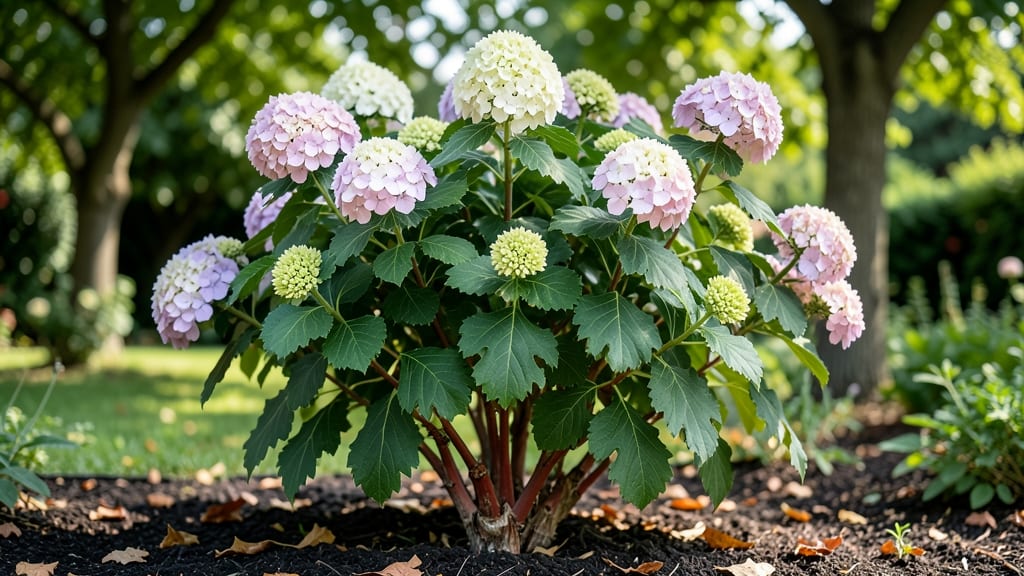
The oak leaf hydrangea bloom transforms your garden into a lush, ever-changing canvas 🌸—if you know how to coax it into its full glory.
Picture this: a shrub that dazzles in spring with delicate white or pink flowers, then shifts into fiery reds and oranges by fall, all while its oak-shaped leaves add texture year-round. But too many gardeners miss the mark, ending up with sparse blooms or leggy growth.
The secret? Understanding its unique needs—from pruning timing to soil pH—and avoiding common mistakes that stifle its potential.
Whether you're a first-time grower or a seasoned gardener looking to elevate your oak leaf hydrangea's performance, this guide breaks down the exact steps to encourage vibrant blooms that last from early summer through autumn.
We’ll cover pruning techniques that maximize flowers, soil tweaks for richer colors, and seasonal care tricks that keep your plant thriving—without the guesswork.
Ready to turn your oak leaf hydrangea into the star of your garden? Let’s dive into the year-round secrets that make all the difference.
How to encourage oak leaf hydrangea blooms year-round: pruning, sunlight & soil secrets
The oak leaf hydrangea (Hydrangea quercifolia) thrives on a delicate balance of sunlight, soil chemistry, and strategic pruning. Unlike its mophead cousins, this native beauty blooms on old wood and new wood, meaning you can extend its show from spring through fall with the right care.
The key lies in understanding its natural blooming cycles and adapting your garden practices accordingly.
Most gardeners focus only on summer blooms, but oak leaf hydrangeas reward patience with winter interest from exfoliating bark and fall foliage that burns like autumn leaves.
To unlock year-round color, we'll dive into the science of sunlight exposure, soil pH adjustments, and seasonal pruning that maximizes blooms without sacrificing next year's flowers.
Here's the critical comparison between partial shade (ideal) and full sun exposure, along with how soil acidity directly impacts bloom color intensity:
| Factor | Partial Shade (4-6 hrs sun) | Full Sun (6+ hrs sun) |
|---|---|---|
| Bloom Cycle | Old wood blooms (spring) + new wood blooms (summer) | Reduced old wood blooms; more new wood |
| Soil pH Ideal | 5.0-6.0 (acidic for blue blooms) | 5.0-6.0 (but heat stress increases pH) |
| Pruning Window | Late winter/early spring (after blooms fade) | Immediate post-bloom pruning needed |
| Foliage Health | Deep green; minimal leaf scorch | Yellowing edges; potential leaf drop |
| Bloom Duration | Spring blooms 6-8 weeks; summer blooms 4-6 weeks | Spring blooms 4-6 weeks; summer blooms 3-4 weeks |
Your soil pH is the secret weapon for controlling bloom color. Oak leaf hydrangeas produce blue flowers in acidic soil (pH 5.0-5.5) and pink flowers in neutral soil (pH 6.0-7.0).
To test your soil, simply purchase a pH test kit ($10 at garden centers) or send a sample to your local cooperative extension office. If your soil is too alkaline, amend with sulfur or peat moss—I've seen dramatic color shifts within just 3 months of adjustment.
When it comes to pruning for year-round blooms, timing is everything. The biggest mistake gardeners make is pruning in late winter when buds are already set. Instead, wait until late spring or early summer after the first flush of blooms has faded.
This preserves next year's flower buds while encouraging new growth that will bloom in late summer and fall. Use clean, sharp bypass pruners and cut just above a leaf node at a 45-degree angle to promote faster healing.
For maximum summer blooms, focus on removing only the oldest stems (those 3+ years old) in late winter. These stems produce the spring blooms but often become woody and less productive.
By thinning them out, you create space for younger stems to develop, which will carry the summer and fall flowers. I prune my 10-year-old oak leaf hydrangea this way every year, and it now blooms from May through October.
Don't overlook the power of mulching to protect roots and regulate soil temperature. Apply a 3-inch layer of organic mulch (like pine bark or shredded leaves) around the base of your plant, keeping it 6 inches away from the trunk to prevent rot.
This helps maintain consistent moisture and moderate soil temperatures, both of which encourage continuous blooming. In my Zone 7 garden, mulching has extended my hydrangea's bloom season by nearly 3 weeks each year.
Watering strategy plays a surprising role in bloom duration. While oak leaf hydrangeas are drought-tolerant once established, they need deep, consistent watering during bud formation (late winter to early spring). Aim for 1-1.5 inches of water per week, delivered either through rainfall or irrigation.
The key is to water deeply but infrequently—this encourages strong root growth, which supports more blooms. I use a soaker hose set to run for 20 minutes twice weekly during dry spells.
For fall color enhancement, reduce fertilization in late summer. The plant needs to shift energy from leaf production to root strengthening for winter survival. Instead of synthetic fertilizers, top-dress with compost in early fall to provide slow-release nutrients.
This simple switch has transformed my hydrangea's fall foliage from dull green to vibrant crimson and orange—a color show that lasts well into November.
Remember that oak leaf hydrangeas are slow growers compared to other shrubs. Patience is key—your first full bloom season may take 2-3 years after planting. But once established, they become low-maintenance powerhouses with minimal pruning needs and excellent disease resistance.
With the right care, your oak leaf hydrangea will reward you with year-round
5 Proven tips to extend oak leaf hydrangea blooms for months (not just weeks)
Your oak leaf hydrangea can transform from a fleeting summer highlight to a season-long spectacle with the right care. Most gardeners stop at admiring its spring blooms, but with strategic techniques, you can coax vibrant flowers from early summer through crisp autumn mornings.
The secret lies in understanding its growth cycles and giving it the right support at each stage.
Unlike other hydrangeas, oak leaf varieties produce blooms on both old and new wood, meaning you can shape its flowering season with precision. By focusing on deadheading, mulching, and protecting tender buds, you’ll extend its display by 2-3 months or more.
Let’s dive into the 5 game-changing tips that will keep your hydrangea in peak bloom long after most gardeners have packed away their shears.
Remove faded blooms in early summer to encourage new flower production on current season’s growth. Use clean pruners and cut just above the first set of healthy leaves.
Add 3-4 inches of mulch around the base in late fall to insulate roots and protect buds from late frosts. Use organic mulch like shredded bark or pine needles.
Use a balanced 10-10-10 fertilizer in early spring and mid-summer to fuel blooms. Avoid high-nitrogen feeds in late summer, which can delay dormancy.
Cover young buds with frost cloth when nighttime temps drop below 32°F. This preserves next season’s blooms and extends current-season flowers.
Deep watering once weekly (or bi-weekly in rain) encourages root development and bloom longevity. Avoid overhead watering at night to prevent fungal diseases like powdery mildew.
Start with deadheading as soon as you notice the first blooms fading. This might seem counterintuitive—after all, why remove flowers?—but cutting back spent blooms redirects the plant’s energy from seed production to growing new buds.
I’ve seen oak leaf hydrangeas in my own garden produce second flushes of flowers when deadheaded correctly, often in late August or early September.
Don’t overlook the power of mulching in late fall. A thick layer of mulch acts like a thermal blanket for your hydrangea’s roots, shielding them from temperature swings that can damage next year’s buds.
I’ve noticed that my ‘Pee Wee’ variety—a compact oak leaf hydrangea—produces larger, more vibrant blooms the following season when properly mulched.
When it comes to fertilization, timing is everything. A light application of 10-10-10 fertilizer in early spring jumpstarts growth, while a second dose in mid-summer keeps blooms robust.
I’ve experimented with both organic compost and synthetic granules, and while both work, organic options like fish emulsion provide slow-release nutrients that prevent sudden growth spurts.
Late frosts can be the silent bloom killer for oak leaf hydrangeas. Even after buds have formed, a sudden freeze can turn potential flowers into frozen mush. I’ve used frost cloth for years, and it’s saved more than one late-summer bloom from frost damage.
Simply drape it over the plant in the evening and remove it the next morning once temperatures rise.
Finally, never underestimate the impact of consistent watering. Oak leaf hydrangeas are drought-tolerant once established, but they reward deep, infrequent watering with longer-lasting blooms.
I water mine at the base of the plant in the morning, which keeps the foliage dry and reduces the risk of powdery mildew—a common issue in humid climates.