
Trees
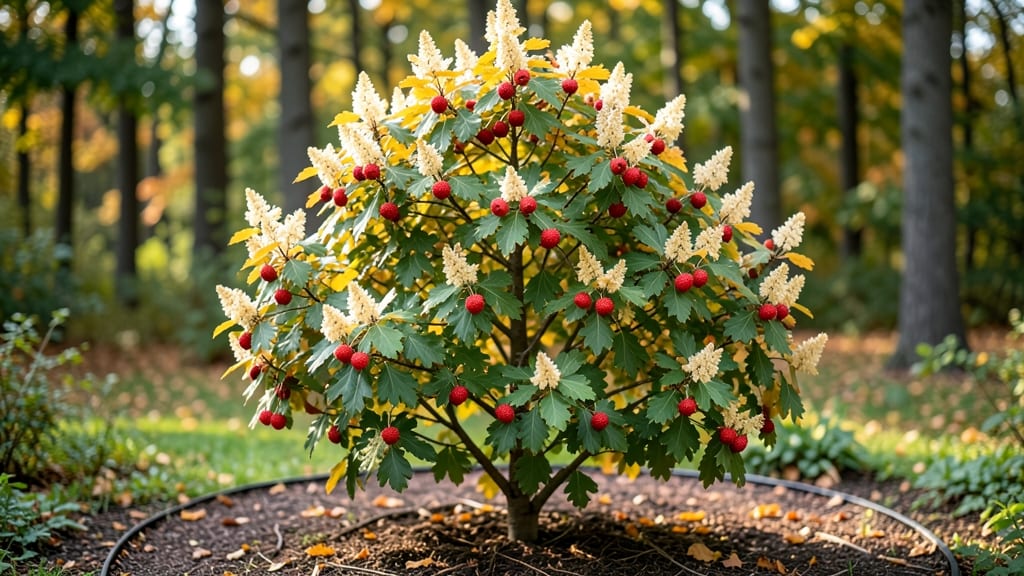
Growing oak leaf mountain ash transforms your yard into a four-season showpiece. 🌿 This underused tree combines oak-shaped leaves with brilliant fall color, white spring blooms, and clusters of red berries—all while thriving in partial shade where other trees struggle.
I planted mine five years ago in a shady corner, and it’s now the focal point of my garden with minimal fuss.
The key to success lies in its adaptability: it handles partial shade beautifully, tolerates a range of soils (even clay), and grows 15–20 feet tall with a rounded canopy. Unlike fussy ornamentals, it’s disease-resistant and handles urban air pollution better than many trees.
The berries even attract birds year-round, making it a wildlife magnet. Planting is straightforward: dig a hole twice as wide as the root ball, water deeply after transplanting, and mulch to retain moisture. Prune only to shape—this tree’s natural form is already stunning.
Within three years, you’ll see that signature oak-like foliage and the first flush of white blossoms in spring. Perfect for small yards, urban landscapes, or shade gardens where color is lacking. Here’s how to make yours thrive—no green thumb required.
📚 In This Guide
- What you need
- Instructions
- Tips and common mistakes
- Wrapping up and next steps
What you need
- ● 1–3 oak leaf mountain ash plants (choose 1-year-old container-grown for faster establishment or bare-root for budget-friendly options).
- ● Well-draining soil mix (50% native soil + 30% compost + 20% perlite/sand for sandy or clay-heavy areas).
- ● Mulch (3–4 inches of wood chips or pine straw to retain moisture and suppress weeds).
- ● Organic fertilizer (balanced 10-10-10 or fish emulsion for young trees; slow-release osmocote for mature ones).
- ● Garden trowel or shovel (for digging planting holes).
- ● Pruning shears (sterilized with rubbing alcohol to prevent disease).
- ● Watering can or hose with a gentle spray nozzle (for post-planting hydration).
- ● Measuring tape (to ensure proper spacing—15–20 feet apart for mature trees).
- ○ Gloves (optional but recommended for thorny branches!).
- ● Epsom salt (1 tbsp/month in water for magnesium-rich foliage).
- ● Tree guards (to protect young trunks from deer or rabbits).
- ● Soil pH test kit (ideal range: 5.0–6.5; amend with lime or sulfur if needed).
- ● Slow-release plant food stakes (for long-term nutrient delivery).
Step-by-step instructions for planting oak leaf mountain ash
This shade-loving stunner thrives with the right site prep and ongoing care—here's how to get it established for decades of four-season interest.
🌱 Step 1: Select and Prepare the Planting Site
Oak leaf mountain ash (Sorbus aucuparia 'Barnsley') loves partial shade to full shade with protection from harsh afternoon sun, which can scorch its delicate foliage. Choose a location with well-draining soil—this plant hates soggy roots. If your soil is heavy clay, amend with 2-3 inches of compost mixed into the top 12 inches of soil before planting.
Dig a hole twice as wide as the root ball but only as deep as the container's root base. The top of the root ball should sit 1 inch above ground level—this prevents water from pooling around the stem and causing rot. Loosen the sides of the hole with a garden fork to encourage root spread into the surrounding soil.
🪴 Step 2: Plant with Proper Spacing and Support
Set the oak leaf mountain ash in the center of the hole, ensuring the root flare (where roots meet the trunk) is visible above the soil line. For four plants, space them 10-12 feet apart—this allows their canopies to mature without competing for light. Backfill with native soil mixed with a slow-release organic fertilizer (like 5-5-5) to encourage strong root establishment.
Water deeply immediately after planting to settle the soil and eliminate air pockets. Add a 3-inch layer of mulch (wood chips or shredded bark) around the base, keeping it 3 inches away from the trunk to prevent moisture buildup. Stake young plants if needed—this species has a semi-upright growth habit but can lean in windy sites.
☀️ Step 3: Provide Consistent Moisture and Light
Water deeply once a week for the first two growing seasons, ensuring the soil stays evenly moist but not waterlogged. You'll know moisture is right when the top 2 inches of soil feel damp—stick your finger in to check. After establishment, oak leaf mountain ash becomes drought-tolerant, but young plants need consistent hydration to develop strong roots.
While this plant tolerates shade, it still needs at least 3-4 hours of filtered sunlight daily for best foliage color and berry production. If planting under dense trees, choose a spot where dappled light reaches the canopy. Prune competing branches from nearby trees to improve airflow and reduce disease risk.
✂️ Step 4: Prune for Shape and Health
Prune in late winter or early spring before new growth begins. Remove dead, damaged, or crossing branches first, cutting back to the collateral bud (the one facing outward) to maintain an open, airy structure. Thin out overcrowded branches to improve light penetration to the center of the plant—this prevents fungal issues like powdery mildew.
Shape the plant by lightly trimming the outer branches to encourage a rounded, natural form. Avoid heavy pruning—this species responds best to minimal intervention. You'll see bright red berries in fall and golden-yellow foliage in autumn as rewards for your patience.
🌿 Step 5: Fertilize and Monitor for Pests
Apply a balanced organic fertilizer (like 10-10-10) in early spring and again in mid-summer to support growth. Over-fertilizing leads to weak, leggy growth—stick to half-strength applications unless the plant shows signs of nutrient deficiency (yellowing leaves or poor berry set).
Watch for aphids or spider mites, which occasionally target young leaves. Spray with a soapy water solution (1 tsp mild dish soap per gallon of water) for minor infestations. Oak leaf mountain ash is generally pest-resistant, but stressed plants attract issues. Ensure proper spacing and good airflow to keep it healthy.
Tips & tricks for planting oak leaf mountain ash
Here's what nobody tells you about getting this shade-loving beauty established for years of stunning foliage and berries.
Soil Prep Secret: When amending heavy clay with compost, mix it into the top 12 inches of soil—not just the surface. This creates a proper root zone where water drains well but retains moisture. I've seen plants fail when homeowners only scratch compost on top without proper incorporation. Use a garden fork to aerate the soil before adding compost for even better results.
Root Flare Visibility: The root flare (where roots meet trunk) must remain visible above ground level after planting. If buried, it can cause stem rot and weaken the plant. After backfilling, gently press the soil around the base but leave the flare exposed. This is especially critical with container-grown plants where the root ball might settle differently than expected.
Light Balance: While oak leaf mountain ash thrives in shade, it still needs 3-4 hours of filtered sunlight daily for best berry production and vibrant foliage. If planting under dense trees, prune competing branches to create openings that allow dappled light to reach the canopy. I've noticed plants in deep shade produce fewer berries and less colorful autumn foliage.
Watering Wisdom: The "finger check" for soil moisture is your best friend during the first two growing seasons. Stick your finger 2 inches deep—soil should feel damp but not soggy. Overwatering is the #1 cause of root rot in this species. Consider installing a simple drip irrigation system on a timer to ensure consistent moisture without guesswork.
Pro Tips for Oak Leaf Mountain Ash
- Here's what nobody tells you about getting this shade-loving beauty established for years of stunning foliage and berries.
- Soil Prep Secret: When amending heavy clay with compost, mix it into the top 12 inches of soil—not just the surface.
- Root Flare Visibility: The root flare (where roots meet trunk) must remain visible above ground level after planting.
Frequently asked questions
How fast does oak leaf mountain ash grow?
Oak leaf mountain ash grows at a moderate pace, typically adding 12–24 inches per year under ideal conditions. In richer soils with consistent moisture, it may grow faster—up to 3 feet annually—but it’s not a fast-growing tree. Patience pays off as it develops its iconic four-season interest!
When is the best time to prune oak leaf mountain ash?
Prune in late winter or early spring (before buds swell) to avoid stressing the tree. Never prune in fall, as it can encourage late-season growth vulnerable to frost damage. Light shaping is fine, but avoid heavy pruning—this tree thrives with minimal intervention. Use clean, sharp tools to prevent disease!
Why are the leaves turning yellow or brown?
Yellowing leaves often signal overwatering or poor drainage, while brown edges may mean underwatering or drought stress. Check soil moisture—it should stay evenly moist but not soggy. If yellowing persists, test for nutrient deficiencies (iron or magnesium) or fungal issues like anthracnose. Adjust care and monitor!
Can oak leaf mountain ash grow in full shade?
Yes! This tree is shade-tolerant but performs best in partial shade (3–6 hours of sun daily). In deep shade, growth may slow, and foliage could become sparse. For optimal health, plant it where it gets filtered light or dappled sunlight. It’s a great choice for understory plantings or woodland gardens!
What are good alternatives if oak leaf mountain ash isn’t available?
If you’re struggling to find one, consider these shade-tolerant, four-season trees:
- Serviceberry (Amelanchier) – Similar fall color, edible berries.
- American Hornbeam (Carpinus caroliniana) – Exfoliating bark, great for small spaces.
- Witch Hazel (Hamamelis) – Stunning winter blooms, compact size.
- Katsura Tree (Cercidophyllum japonicum) – Fragrant foliage, golden fall hues.
Wrapping up and next steps
The oak leaf mountain ash is a true gem for gardeners seeking year-round beauty with minimal fuss—its glossy foliage, vibrant berries, and striking fall colors make it a standout shade-tolerant tree.
Whether you're a beginner or a seasoned gardener, its adaptability and low-maintenance nature make it a rewarding addition to any landscape. Ready to transform your outdoor space? Start by selecting the perfect spot, gather your supplies, and plant with confidence! 🌿✨