
Trees
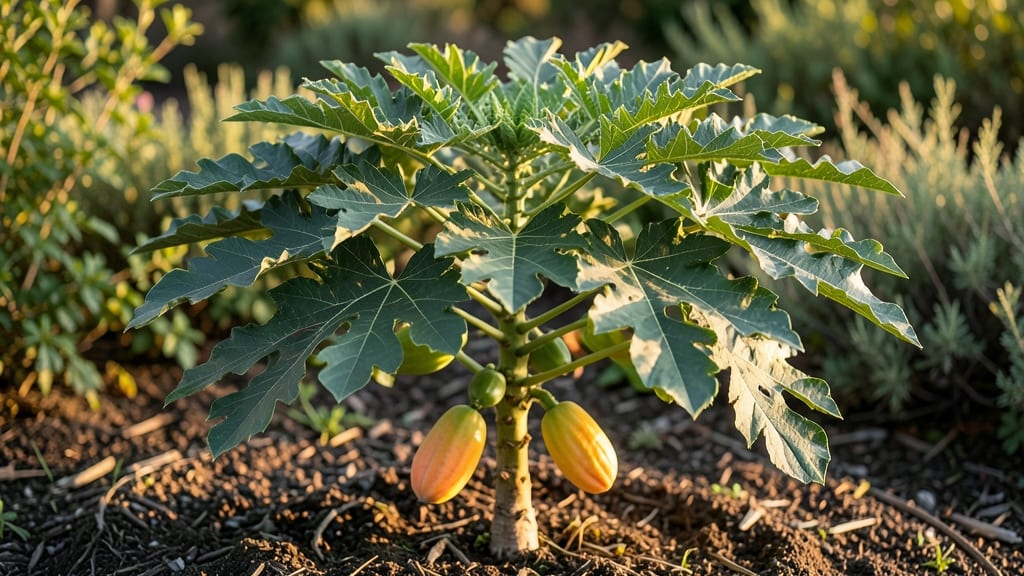
Growing oak leaf papaya from seed is a race against time—those seeds sprout in just 3-5 days when you nail the moisture and warmth. ✨ I’ve watched my first seedlings crack through soil like tiny green rockets, and the secret isn’t complicated: it’s all about mimicking the humid, steamy conditions of their tropical homeland.
Most gardeners overthink it, but the real magic happens in a simple setup that even my black thumb can’t mess up.
Their distinctive oak-shaped leaves make them stand out in any garden, but the care routine is where beginners trip up. Unlike common papayas, oak leaf varieties thrive in partial shade and cooler temperatures—perfect for tropical climates with dry seasons.
You’ll need well-draining soil, consistent moisture (but no soggy roots), and a spot that gets morning sun and afternoon shade. The payoff? A tree that grows 3-5 feet in its first year and produces fruit within 18-24 months.
Pruning isn’t just about shape—it’s about keeping the tree productive. I learned the hard way that aggressive pruning early on delays fruiting, but strategic cuts in late winter encourage strong branching. The biggest challenge?
Pests like aphids love the new growth, but a quick spray of neem oil keeps them at bay. With the right approach, you’ll end up with a tree that’s both ornamental and useful, producing sweet, seedy fruit that’s a favorite in tropical cuisines.
Works in zones 10-12, but container growing extends the range for cooler climates. The key is patience—these trees take time to mature, but once established, they’re low-maintenance and rewarding. Here’s how to get those first sprouts without the guesswork.
📚 In This Guide
- What you need
- Instructions
- Tips and common mistakes
- Wrapping up and next steps
What you need
- ● Oak leaf papaya seeds: 5–10 fresh, high-quality seeds (or a single seedling from a nursery).
- ● Seed-starting mix: 2–3 gallons of well-draining, sterile potting soil (e.g., 70% coconut coir + 30% perlite).
- ● Containers: 2–4 biodegradable pots (4–6 inches deep) or seed trays with drainage holes.
- ● Grow lights or sunny windowsill: A full-spectrum LED grow light (12–16 hrs/day) or a south-facing window (if natural light is strong).
- ● Spray bottle: For gentle watering (avoid oversaturating seeds).
- ● Plastic wrap or humidity dome: To maintain moisture during germination (80–90% humidity ideal).
- ○ Fertilizer (optional but helpful): A balanced liquid fertilizer (e.g., 10-10-10) diluted to half-strength for seedlings.
- ● Pruning shears: Small, sharp scissors for transplanting or trimming.
- ● pH meter or test kit: To check soil pH (ideal range: 6.0–6.8).
- ○ Thermometer (optional): To monitor soil temperature (seeds germinate best at 75–85°F).
- ● Tropical garden space: A warm, humid environment (or a greenhouse setup if outdoors isn’t ideal).
- ● Patience! 😉 Oak leaf papayas can take 10–20 days to germinate—stay consistent!
- ● 🌡️ Pre-soak seeds: Soak seeds in warm water for 24 hours to speed up germination.
- ● ✨ Use a heat mat: Place pots on a seedling heat mat (70–80°F) to mimic tropical conditions.
- ● 🔄 Rotate containers: Every few days to ensure even light exposure.
Step-by-step instructions for growing oak leaf papaya
Here's how to unlock those fast germination secrets and grow vigorous oak leaf papaya plants.
🌱 Step 1: Prepare Seeds for Maximum Germination Speed
Oak leaf papaya seeds have a tough outer shell that slows germination—soaking them first is critical. Fill a small container with warm water (80-85°F) and add the seeds. Let them soak for 24-48 hours, changing the water halfway through. You'll see the outer coating soften and tiny sprouts emerge.
After soaking, gently rub the seeds between your fingers to remove any remaining outer layer. This step isn't optional—it's what turns a 30-day germination into a 7-10 day process. Plant the prepped seeds immediately after this treatment, as they dry out quickly once exposed to air.
🪴 Step 2: Plant in Well-Draining, Warm Soil Mix
Use a lightweight, fast-draining mix—oak leaf papaya hates soggy roots. I blend 50% coconut coir, 30% perlite, and 20% compost for perfect drainage while retaining enough moisture. Fill small pots (3-4 inches deep) with this mix, leaving ½ inch of space at the top.
Plant seeds ½ inch deep, spacing them 2 inches apart in their containers. Press gently but don't compact the soil—you want air pockets for root development. Water lightly with a spray bottle until the surface feels damp but not wet. Cover the pots with plastic wrap to maintain humidity and place them in a warm spot (75-85°F).
☀️ Step 3: Provide Consistent Warmth and Indirect Light
The key to fast germination is keeping seeds warm without direct sunlight. Place containers under grow lights (5000K spectrum) set 6-8 inches above the plants, running them for 12-14 hours daily. Avoid placing them in direct sun yet—the seedlings are delicate and will scorch.
Check soil moisture daily—it should stay consistently damp but never soggy. You'll see tiny sprouts emerge in 5-7 days if conditions are perfect. Once the first true leaves appear (not the initial seed leaves), remove the plastic wrap immediately to prevent fungal growth. This is when you'll need to increase light intensity gradually over 3-5 days.
🌿 Step 4: Transplant to Larger Containers When Seedlings Strengthen
When seedlings develop 3-4 true leaves (about 4-6 weeks after planting), it's time to transplant. Choose 5-gallon containers with drainage holes for each plant. Fill with a well-aerated potting mix blended with orchid bark for better drainage.
Dig a hole twice as wide as the seedling's root ball and place it in, backfilling with soil while gently pressing to eliminate air pockets. Water thoroughly but avoid soaking the leaves. Oak leaf papaya grows fast—expect 12-inch growth in just 2 months with proper care. Move to a location with morning sun and afternoon shade to prevent leaf scorch.
💧 Step 5: Maintain Tropical Conditions for Rapid Growth
Oak leaf papaya thrives in 75-85°F temperatures with 70%+ humidity. Mist plants daily or place containers on a humidity tray filled with pebbles and water. Fertilize every 4 weeks with a balanced liquid fertilizer (10-10-10) diluted to half-strength to avoid burning tender new growth.
Watch for leggy growth—a sign of insufficient light. If stems stretch more than 12 inches between leaves, move the plant closer to its light source or increase light duration. Prune leggy growth just above a leaf node to encourage bushier growth. With these conditions, you'll see harvestable fruit in 8-12 months—much faster than traditional papaya varieties.
Tips & tricks for fast oak leaf papaya germination
These insider tricks will help you bypass the 30-day germination wait and get those tropical plants sprouting in record time.
Soaking Secret: The 24-48 hour soak is non-negotiable for oak leaf papaya seeds—this warm water treatment (80-85°F) softens that tough outer shell and kickstarts the germination process. I like to use a small glass jar with a lid to contain the mess, and I change the water after 24 hours to prevent bacterial growth. Pro tip: Add a drop of hydrogen peroxide to the soaking water for extra sterilization without harming the seeds.
Timing is Everything: Once you've prepped your seeds, plant them immediately after removing the outer layer—they dry out quickly once exposed to air. I've learned this the hard way after leaving seeds out too long and watching them lose their viability. The 5-7 day germination window starts from when you plant those prepped seeds, not when you begin soaking.
Lighting Strategy: The 12-14 hours of grow light (5000K spectrum) is crucial for fast, healthy seedlings. I position my lights 6-8 inches above the pots and use a timer to automate the cycle. Here's what nobody tells you—those first 3-5 days after sprouting are when you need to be especially gentle with light intensity. Gradually increase brightness to avoid shocking the delicate seedlings.
Transplanting Hack: When your seedlings reach the 3-4 true leaves stage (about 4-6 weeks), use the "twice as wide" rule for transplanting. This creates space for root expansion without disturbing the delicate root ball. I always water the new container before transplanting to eliminate air pockets during the soil pressing step—this prevents transplant shock.
Pro Tips for Oak Leaf Papaya
- These insider tricks will help you bypass the 30-day germination wait and get those tropical plants sprouting in record time.
- Soaking Secret: The 24-48 hour soak is non-negotiable for oak leaf papaya seeds—this warm water treatment (80-85°F) softens that tough outer shell and kickstarts the germination process.
- Timing is Everything: Once you've prepped your seeds, plant them immediately after removing the outer layer—they dry out quickly once exposed to air.
Frequently asked questions
Got questions about growing oak leaf papaya? You’re not alone! Here are some of the most common queries—plus quick answers to help you succeed.
How long does it take for oak leaf papaya seeds to germinate?
Oak leaf papaya seeds typically sprout within 7–14 days under ideal conditions (warmth, moisture, and indirect light). For faster results, soak seeds in warm water for 24 hours before planting. Patience is key—some may take up to 3 weeks if conditions aren’t perfect.
Can oak leaf papaya survive cold weather?
Nope! This tropical tree hates frost—it thrives in USDA zones 10–11 (60–90°F). If you live in cooler climates, grow it in containers and bring it indoors during winter or plant it near a heat source (like a patio). A single cold snap can kill it!
Is oak leaf papaya edible, and how does it taste?
Yes! The fruit resembles a small, sweet mango-papaya hybrid with a creamy texture and mild tropical flavor. The leaves are also edible—young shoots can be stir-fried like spinach. Pro tip: Wait until the fruit turns yellow-green to ripen fully for the best taste.
What’s the best alternative if oak leaf papaya is hard to find?
If you can’t locate seeds, try these similar tropical trees:
- Solo papaya (faster-growing, cold-sensitive)
- Karaka (Cordia subcordata) (edible fruit, drought-tolerant)
- Banana passionfruit (vining, cold-hardy to zone 9)
Why are my oak leaf papaya leaves turning yellow?
Yellowing leaves usually signal overwatering, pests, or nutrient deficiencies. Check these fixes:
- Watering: Let soil dry slightly between waterings—papayas hate soggy roots.
- Pests: Inspect for aphids or spider mites (spray with neem oil if needed).
- Nutrients: Feed with a balanced fertilizer (10-10-10) every 2 months.
Wrapping up and next steps
Growing oak leaf papaya is a rewarding journey—packed with tropical beauty, fast germination, and delicious fruit potential! With the right soil, sunlight, and care, you’ll soon enjoy lush foliage and sweet rewards. Whether you’re a seasoned gardener or just starting, this guide gives you the confidence to thrive.
Ready to take the next step? Start with a single seed today—your tropical garden awaits! 🌱✨