
Trees
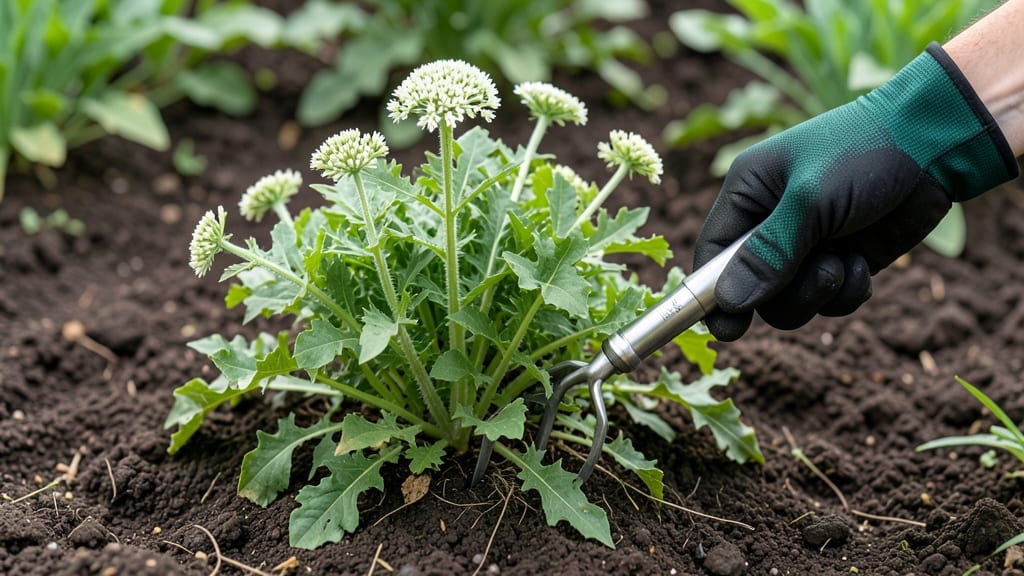
Those brown, crispy edges on your oak leaves aren’t just unsightly—they’re a cry for help. 🌿 Oak leaf weed (or fungal browning) spreads faster than you’d think, turning vibrant foliage into a sad, brittle mess within weeks.
What starts as small brown patches on the leaf edges can escalate into full-blown defoliation if ignored, leaving your tree vulnerable to pests and stress.
The good news? Copper fungicide spray is your secret weapon here. It’s not just about stopping the spread—it’s about giving your oak leaves a fighting chance to recover. The key is acting fast, before the fungus moves deeper into the leaf tissue.
Most people wait too long, thinking it’s just drought stress, but this is a fungal infection that thrives in warm, humid conditions.
With the right treatment, you’ll see new growth pushing out in just 2-3 weeks, and those crispy edges will soften back to a healthy green. The process isn’t about quick fixes—it’s about restoring balance to your tree’s health.
Think of it like giving your oak a deep cleanse, from the roots up.
Regional differences matter here—some areas see worse outbreaks in late summer, while others struggle in early fall. But no matter where you are, the principles stay the same: early action, consistent care, and keeping your tree’s environment as stress-free as possible. Let’s get those leaves looking lush again.
Root Causes Of Leaf Discoloration
If your oak leaves are developing brown, crispy edges that resemble oak leaf weed (or Quercus leaf scorch), several underlying factors are likely at play. Understanding these causes helps you take targeted action to restore your tree’s health.
Below, we break down the most common reasons—from environmental stressors to hidden pests—and explain the science behind each.
Oak trees are resilient, but prolonged heatwaves and drought can push them past their limits. When soil moisture drops below 50% of field capacity, roots struggle to absorb water efficiently. This triggers a cascade of stress responses:
- Water deficit in leaves: As transpiration (water loss through leaves) outpaces uptake, cells lose turgor pressure, causing edges to dry out and turn brown.
- Nutrient imbalance: Roots prioritize water transport over nutrient absorption, leading to deficiencies in potassium and magnesium—key minerals that prevent browning.
- Oxidative damage: Heat accelerates the production of reactive oxygen species (ROS), which damage cell membranes and accelerate leaf senescence (aging).
Actionable fix: Deep watering (1–2 inches per week) and mulching (2–4 inches of organic mulch) retain moisture and cool root zones. Pro tip: Water in the early morning to reduce evaporation and fungal risks. 💡
Fungi like Cercospora or Apiognomonia quercina (causative agent of oak anthracnose) thrive in warm, humid conditions. They invade leaf tissue through stomata (pores) or wounds, disrupting water transport and causing:
- Vascular blockages: Fungal hyphae clog xylem vessels, restricting water flow to leaf margins.
- Toxin production: Pathogens release phytotoxins that trigger cell death (necrosis) along leaf edges.
- Secondary stress: Infected leaves transpire faster, exacerbating drought-like symptoms even in moist soil.
Actionable fix: Apply a copper fungicide spray (0.5–1 lb copper per 100 gallons of water) during early spring (before bud break) and late summer. Prune and destroy infected leaves to reduce spore spread. Pro tip: Avoid spraying when rain is forecasted—copper can wash off or harm beneficial microbes. ⚠️
Insects like gypsy moths, oak lace bugs, or scale insects feed on leaf sap, weakening the tree’s ability to photosynthesize and transport nutrients. Their saliva contains toxins that:
- Disrupt stomatal function: Punctures from feeding damage stomata, increasing water loss and leading to edge browning.
- Trigger nutrient export: The tree shunts resources from damaged areas to new growth, starving existing leaves.
- Attract secondary pests: Weakened trees become vulnerable to fungal infections (e.g., sooty mold from honeydew).
Actionable fix:
Oak trees prefer well-draining, slightly acidic soil (pH 5.0–7.0). When soil is compacted, waterlogged, or overly alkaline (pH > 7.5), roots suffocate or struggle to access nutrients: Actionable fix:
Oak trees exposed to ozone, sulfur dioxide, or fluoride (from industrial emissions, car exhaust, or pesticides) develop brown edges due to: Actionable fix:
Pest
Signs
Solution
Lace bugs
Speckled leaves, black fecal spots
Spray with neem oil or insecticidal soap (repeat every 7–10 days)
Gypsy moths
Skeletonized leaves, white egg masses
Apply Bt (Bacillus thuringiensis) or contact your local coop extension for treatment
Quick Fixes for Fading Foliage
When your oak leaves start turning brown at the edges—often a sign of oak leaf blight or environmental stress—acting fast can save your tree. Below are targeted solutions mapped to common causes, along with easy prevention tips to keep your oak healthy long-term.
If brown edges appear suddenly with yellow spots or powdery residue, a fungal infection is likely the culprit.
🔥 Step 1: Apply Copper Fungicide
Copper-based sprays are the gold standard for treating fungal diseases like oak leaf blight or anthracnose.
- How to do it: Mix a copper fungicide (like Bordeaux mixture or copper sulfate) with water as directed on the label.
- When to spray: Apply early morning or late evening when leaves are dry (avoid windy days).
- Frequency: Spray every 7–14 days until new growth appears healthy, then 2–3 times per season as prevention.
> 💡 Pro Tip: For organic options, try neem oil (1 tsp per quart of water + a drop of dish soap as an emulsifier). Spray until leaves are glistening wet, but avoid overuse—it can harm beneficial insects.
🌡️ Step 2: Improve Airflow & Reduce Moisture
Fungi thrive in humid, stagnant conditions.
- Prune overcrowded branches to allow sunlight and air circulation.
- Avoid overhead watering—use drip irrigation or soaker hoses instead.
- Remove fallen leaves (where spores linger) and sterilize pruners with rubbing alcohol.
Brown, crispy edges can also mean your oak is overheated or dehydrated, especially in hot, dry climates.
💦 Step 1: Deep Watering (But Not Too Much)
Oaks have deep root systems—they need slow, deep watering (1–2 inches per week) rather than frequent shallow drinks.
- How to check: Stick a screwdriver into the soil—if it goes in easily, water more; if it’s tough, reduce frequency.
- Best time: Water early morning to prevent fungal growth from evening moisture.
🌿 Step 2: Mulch Like a Pro
A 3–4 inch layer of mulch (wood chips, bark, or pine straw) helps retain moisture and regulate soil temperature.
- Keep mulch 6 inches away from the trunk to prevent rot.
- Replenish annually to maintain effectiveness.
> ✨ Bonus: If your oak is in a hot, exposed area, consider light shade cloth (30–50% coverage) during peak summer months.
Tiny pests like oak leaf mites or borers can weaken leaves, leading to browning.
🔪 Step 1: Blast Off Pests with Pressure
- For mites/scale: Spray leaves with a strong stream of water (outdoor hose nozzle) to dislodge pests.
- For borers: Look for sawdust-like frass near the trunk—treat with beneficial nematodes or insecticidal soap.
🦋 Step 2: Introduce Natural Predators
- Ladybugs, lacewings, and birds love eating leaf-eating pests.
- Plant companion plants like yarrow or dill to attract beneficial insects.
> 🎯 Prevention Tip: Inspect trees monthly during growing season. Early detection = easier fixes!
Once your oak’s leaves perk up, keep it thriving with these habits:
| Issue | Prevention Fix | When to Do It |
|---|---|---|
| Fungal diseases | Copper spray (2x/year) + prune for airflow | Early spring & late fall |
| Drought stress | Deep watering + mulch | Spring & summer |
| Pest infestations | Monthly checks + beneficial insects | Year-round (peak: spring) |
| Nutrient deficiency | Slow-release fertilizer (fall) | October–November |
Final Reminder: Most oak leaf browning is fixable—just match the symptom to the solution! If problems persist after 2–3 treatments, consult a certified arborist to rule out deeper issues like root rot or soil compaction. 🌳💚
Frequently asked questions
What's the difference between oak leaf weed and actual oak tree leaves?
Oak leaf weed (like Abutilon theophrasti) has lobed leaves similar to oak trees, but with key differences: its leaves are softer, hairier, and grow on weedy stems rather than a woody trunk. True oak leaves are leathery, glossy, and attached by petioles to branches. The weed also produces yellow flowers and seed pods, while oaks have acorns.
Can I pull oak leaf weed by hand?
Yes, but timing matters! Pull young weeds when soil is moist (after rain) to avoid breaking roots. For mature plants, use a weeding fork to dig out the entire root system. Wear gloves—the sap can irritate skin. Reapply mulch afterward to prevent regrowth.
Will vinegar kill oak leaf weed?
Yes, but use it carefully! A 20% vinegar solution (1 part white vinegar to 1 part water) works best on young weeds. Spray on a dry, sunny day to avoid damaging nearby plants. For tougher weeds, repeat after 3-5 days. Avoid this method near desirable plants—vinegar can harm them too.
Why does oak leaf weed keep coming back?
This weed spreads through seeds and roots. Even small root fragments can regrow. To prevent recurrence: remove all parts, including seed pods, and solarize soil (cover with clear plastic for 4-6 weeks in summer) to kill remaining roots. Regular mulching also helps suppress regrowth.
Is oak leaf weed toxic to pets or humans?
No, it's not considered toxic. However, the sap can cause skin irritation in some people. While it won't harm pets if ingested, the roots can be fibrous—supervise pets near treatment areas until weeds are fully removed. Always check with your vet if you notice unusual symptoms after exposure.