
Aphids
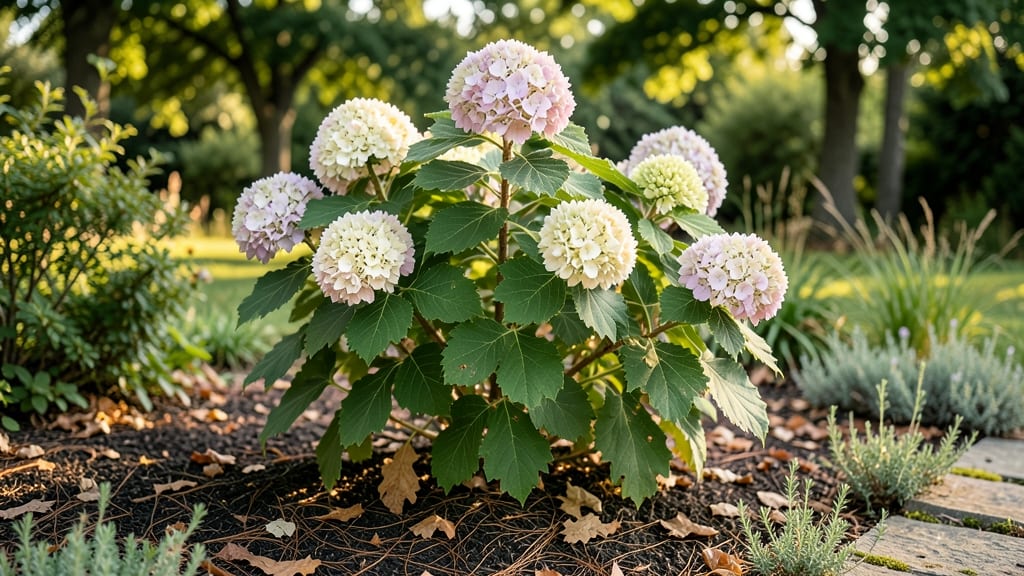
Your garden could have a hydrangea that looks like an oak tree—**oakleaf hydrangea (Hydrangea quercifolia) delivers year-round interest with its dramatic foliage and seasonal blooms. 🌿 I’ve grown these for years, and they’re the only hydrangea that keeps me excited through all four seasons, not just summer.
The secret lies in their adaptability and stunning oak-shaped leaves that turn fiery red in fall.
This shrub thrives in partial shade to full sun and tolerates a range of soils, though it prefers well-draining, acidic soil. Plant it in a spot where you can enjoy its 3-5 foot mature height and spread, as it becomes a focal point with minimal fuss.
Water consistently the first year to establish roots, then let it tell you what it needs—drought-tolerant once established, it’s one of the hardiest hydrangeas around.
Pruning is simple: cut back old wood in late winter or early spring to encourage new growth and more abundant blooms. The real magic happens in fall, when those leaves transform into a burning red spectacle that lasts well into winter.
You’ll get creamy white summer blooms** too, but the foliage steals the show.
Perfect for borders, foundation plantings, or as a standalone specimen. Once you plant one, you’ll wonder why you didn’t add it sooner—it’s the hydrangea that works hard while looking effortless. Let’s get yours growing!
📚 In This Guide
- What you need
- Instructions
- Tips and common mistakes
- Wrapping up and next steps
What you need
- ● Oakleaf hydrangea plants: 1–3 container-grown plants (3–4 gallons) or
- ● 1–2 bare-root plants (for spring planting)
- ● Well-draining soil: pH 4.5–6.0 (acidic to slightly acidic)
- ● Amend with peat moss or compost (1–2 bags, 4–6 cubic feet each) if soil is heavy clay or alkaline
- ● Organic mulch: 3–4 cubic feet of pine bark nuggets or shredded hardwood mulch (to retain moisture and acidify soil)
- ● Slow-release fertilizer: 1–2 bags of acid-loving plant fertilizer (e.g., 10-10-10 or 8-3-9 with micronutrients)
- ● Garden tools: Trowel or hand shovel
- ● Garden fork (for amending soil)
- ● Pruning shears (sterilized)
- ● Soil test kit (to check pH and nutrient levels)
- ● Epsom salt (1 lb) for magnesium boost (especially in alkaline soils)
- ● Drip irrigation system (to ensure consistent moisture)
- ● Copper fungicide (preventative measure for fungal diseases)
- ● Staking supports (for young plants in windy areas)
How to plant and care for oakleaf hydrangea quercifolia
This hardy shrub delivers four-season interest with minimal fuss—here’s how to set it up for showstopping growth.
🪴 Step 1: Choose the Perfect Planting Site
Oakleaf hydrangeas thrive in partial shade, where they receive morning sun and afternoon shade—this protects their striking foliage from scorching. In hotter climates, filtered light through trees works best, while cooler regions tolerate full sun with afternoon shade. Avoid deep shade, which weakens blooms and dulls the signature oak-shaped leaves.
Test your spot by observing how sunlight moves across the area. The ideal location gets 4-6 hours of direct sun but with protection from intense afternoon rays. If your yard is mostly sun, plant near a north-facing wall or under a deciduous tree that sheds leaves in fall—this lets winter sun brighten the foliage.
🌱 Step 2: Prepare the Soil and Plant
Amend the soil with 2-3 inches of organic matter, like compost or well-rotted leaf mold, mixed into the top 12 inches of soil. Oakleaf hydrangeas prefer slightly acidic to neutral soil (pH 5.5-6.5)—test your soil and adjust with sulfur if needed. Dig a hole twice as wide as the root ball but no deeper, to encourage outward root growth.
Place the plant so the top of the root ball sits 1 inch above ground level—this prevents rot during heavy rains. Gently backfill with native soil mixed with compost, pressing lightly to remove air pockets. Water deeply to settle the soil and eliminate gaps. Mulch with 2-3 inches of shredded bark or pine needles, keeping it 6 inches away from the stem to prevent moisture buildup.
☀️ Step 3: Water and Fertilize for Strong Growth
Keep the soil evenly moist but not soggy for the first 4-6 weeks, watering 1-2 times per week depending on rainfall. Oakleaf hydrangeas develop deep roots once established, but young plants need consistent moisture to prevent stress. You’ll know moisture is right when the top 2 inches of soil feel damp—probe with your finger to check.
Fertilize in early spring with a balanced, slow-release fertilizer (10-10-10) applied at half strength. Avoid high-nitrogen fertilizers, which promote leafy growth at the expense of flowers. In late summer, add a low-phosphorus fertilizer (5-10-10) to encourage next year’s blooms. Prune spent flower heads in late winter or early spring before new growth begins—this clears the way for fresh, vibrant foliage.
✂️ Step 4: Prune and Maintain Year-Round
Prune in late winter or early spring before buds swell, removing dead or crossing branches first. Cut back old wood (last year’s growth) by one-third to encourage new shoots and fuller blooms. Never prune in fall—this removes next year’s flower buds. Shape the shrub lightly in summer after blooming to maintain its natural form, but avoid heavy pruning.
Watch for powdery mildew on leaves in humid summers—improve airflow by thinning dense growth and apply neem oil if needed. In fall, the foliage turns crimson, orange, or gold, adding seasonal drama. Leave the leaves until spring to protect the plant, then clean up debris to prevent pests. Oakleaf hydrangeas reward patience with minimal care and maximum impact—once established, they thrive with just occasional watering and pruning.
Tips & tricks for perfect oakleaf hydrangea growth
Between us, oakleaf hydrangeas are the unsung heroes of the garden—so easy to grow, yet they deliver year-round drama. Here's what I've learned to keep mine thriving with minimal fuss.
Lighting Strategy: The 4-6 hours of morning sun in Step 1 is non-negotiable for vibrant foliage, but here's the thing: I've found that planting near a deciduous tree actually works better than you might think. The tree provides shade in summer while letting winter sun through—giving you that perfect filtered light. Just avoid evergreens, which block all light year-round. In hot climates, I even use sheer fabric shade cloths during peak afternoon hours to prevent leaf scorch.
Soil Science: That 2-3 inches of organic matter in Step 2 isn't just about nutrients—it's about creating the perfect moisture-retaining environment. I always mix in a handful of worm castings with my compost because they introduce beneficial microbes that help the roots establish faster. For pH testing, I use a simple soil test kit from the garden center—it's cheaper than lab tests and just as accurate for this purpose.
Watering Wisdom: The first 4-6 weeks are critical, and I've learned that consistency is everything. I set up a simple drip irrigation system on a timer for my hydrangeas—it delivers that even moisture without the risk of overwatering. The key is checking soil moisture with your finger: if the top 2 inches feel dry, it's time to water. And here's a pro move: water in the morning so any excess moisture evaporates during the day, preventing fungal issues.
Pruning Precision: That one-third cut-back in Step 4 might seem drastic, but trust me on this—it's what creates those lush, full blooms. I always prune just after the first hard frost when the plant is dormant, and I mark each branch with a paint pen before cutting to visualize the shape. For powdery mildew prevention, I rotate between neem oil and a baking soda spray (1 teaspoon baking soda + 1 quart water + a drop of dish soap) every other week during humid summers.
Pro Tips for Oakleaf Hydrangea Hydrangea Quercifolia
- Between us, oakleaf hydrangeas are the unsung heroes of the garden—so easy to grow, yet they deliver year-round drama.
- Lighting Strategy: The 4-6 hours of morning sun in Step 1 is non-negotiable for vibrant foliage, but here's the thing: I've found that planting near a deciduous tree actually works better than you might think.
- Soil Science: That 2-3 inches of organic matter in Step 2 isn't just about nutrients—it's about creating the perfect moisture-retaining environment.
Frequently asked questions
Got questions about growing oakleaf hydrangea (Hydrangea quercifolia)? You’re not alone! Here are some of the most common questions—and answers—to help you nurture this stunning shrub with confidence.
How fast does oakleaf hydrangea grow?
Oakleaf hydrangeas are moderate growers, typically adding 12–24 inches per year under ideal conditions. With proper care (like well-draining soil and consistent watering), they can reach 6–10 feet tall and wide in 5–10 years. Patience pays off—these beauties mature slowly but reward you with year-round interest!
When do oakleaf hydrangeas bloom, and how long do the flowers last?
Expect late spring to early summer blooms (May–July), but the real magic happens in fall! Their showy, oak-shaped leaves turn fiery red, orange, or purple, lasting well into winter. Bonus: The dried flower heads add winter texture. Prune right after blooming to encourage next year’s flowers.
Why are my oakleaf hydrangea leaves turning yellow or brown?
Yellowing leaves often signal overwatering or poor drainage, while brown edges may mean underwatering or sunburn. Check soil moisture (it should stay evenly moist but not soggy) and ensure your plant gets morning sun and afternoon shade in hot climates. Fungal issues? Space plants for airflow and avoid overhead watering.
Can I grow oakleaf hydrangea in a container?
Just choose a large pot (at least 15–20 gallons) with drainage holes and use well-draining potting mix. Container-grown hydrangeas may need more frequent watering and benefit from annual repotting to refresh nutrients. Pro tip: Move pots to a sheltered spot in winter if temps drop below 10°F.
What’s the best way to prune oakleaf hydrangea?
Prune late winter or early spring (before new growth starts) to shape the plant and remove dead wood. For flowering encouragement, trim just above a set of buds on old wood. Avoid heavy pruning—these shrubs bloom on both old and new wood, so keep it light! Use clean, sharp shears to prevent disease.
Wrapping up and next steps
Transforming your garden with oakleaf hydrangea Quercifolia is a rewarding journey that brings year-round beauty with minimal fuss! 🌿 From its striking oak-shaped leaves to its dazzling fall colors and winter interest, this versatile shrub is a true showstopper.
Whether you're a beginner or a seasoned gardener, its adaptability and low-maintenance nature make it a perfect addition to any landscape.
Ready to level up your garden? Start by selecting the ideal spot, gathering your supplies, and following the steps outlined above.
Before you know it, you’ll be enjoying the lush, dramatic foliage and fragrant blooms this hydrangea has to offer—plant one today and watch your outdoor space thrive! 🌸