
Orchid Care
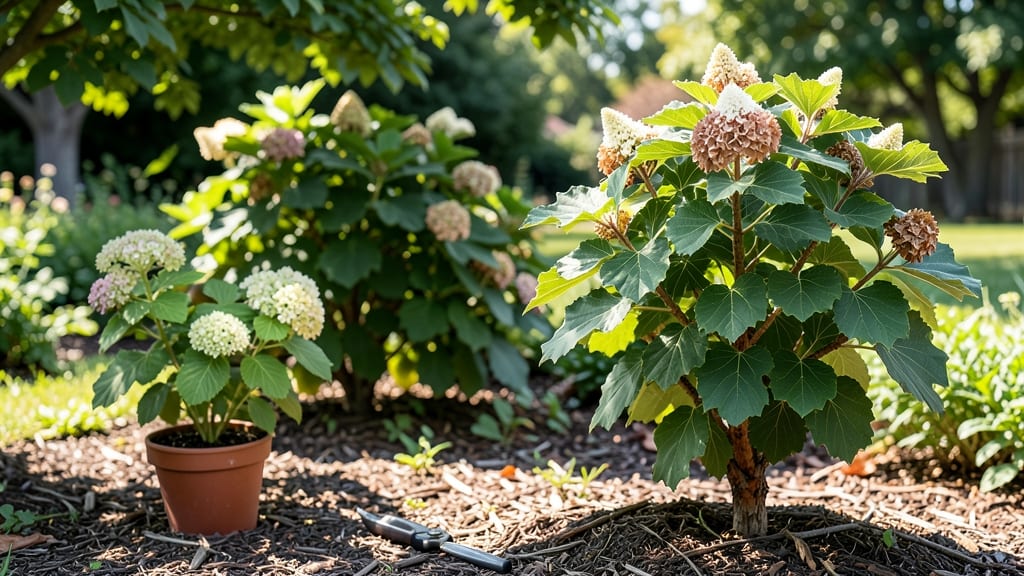
The oakleaf hydrangea thrives best in sun or shade, where its leaves blaze with the richest colors and flowers stay vibrant.
Picture this: your oakleaf hydrangea sitting in full afternoon sun, its leaves wilting by midday or fading to a dull green by fall. That’s a common mistake that robs you of the dramatic foliage this plant is famous for.
This shrub isn’t fussy, but it does need the right balance—too much shade and it flops; too much sun and it burns. The secret lies in morning sun paired with afternoon shade, which keeps the leaves lush and the blooms abundant.
In this guide, I’ll walk you through how to spot the perfect light spot, adjust for your climate, and troubleshoot when things go wrong—so your oakleaf hydrangea becomes the showstopper of your garden.
 Best Window Placement
Ideal sunlight conditions for oakleaf hydrangea foliage and flowers
The oakleaf hydrangea thrives in partial shade, but the right balance of light determines whether your plant produces vibrant foliage and abundant blooms. Too much sun can scorch leaves, while too little shade dulls the fall color intensity that makes this shrub a garden star.
Let’s break down how sunlight affects each season and how to optimize your plant’s light exposure.
In spring and summer, oakleaf hydrangeas prefer morning sun and afternoon shade. This protects delicate leaves from hot afternoon rays while giving them enough light for strong growth. Without this balance, you’ll notice yellowing leaves or weak stems—signs of sun stress or poor photosynthesis.
Fall foliage is where oakleaf hydrangeas truly shine, turning fiery shades of red, orange, and purple. To trigger these dramatic colors, your plant needs at least 4-6 hours of sunlight daily, but not direct afternoon heat. The leaf color intensity depends on how much light the plant receives as it prepares for dormancy.
Now, let’s compare how partial shade vs. morning sun affects growth, flowering, and seasonal color shifts in oakleaf hydrangeas.
If your oakleaf hydrangea gets morning sun, you’ll see the best of both worlds: strong stems from early light and protected leaves from afternoon heat. This setup also maximizes flower production and ensures those fall foliage colors pop like fireworks.
For gardeners in hot climates, dappled shade (like under tall trees) works well, but avoid deep shade, which weakens growth.
In spring, young leaves benefit from gentle morning light to harden off. Avoid placing your hydrangea where it gets hot afternoon sun, as this causes leaf burn and stunted growth. If you notice brown edges on leaves, move the plant to a shadier spot immediately.
For summer care, focus on watering deeply in the morning to help the plant handle any direct light it receives. Mulching around the base with organic matter (like shredded bark) keeps roots cool and retains moisture. This is especially important if your hydrangea gets partial afternoon sun.
As fall approaches, the plant’s light needs shift slightly. More sunlight—even late afternoon rays—can enhance foliage color intensity. However, avoid moving established plants suddenly, as this stresses roots.
Instead, prune back any dead or weak stems in early spring to encourage new growth in the right light conditions.
One common mistake is assuming more sun equals better blooms. While oakleaf hydrangeas need light, too much direct sun (especially in summer) can actually reduce flowering and cause leaf stress.
The key is finding that sweet spot of partial shade—where your plant gets enough light for growth but stays protected from extreme heat.
For container-grown oakleaf hydrangeas, place pots in locations with morning sun and afternoon shade. Terracotta pots dry out faster, so monitor soil moisture closely. If your patio gets intense afternoon sun, use a lightweight shade cloth (30-50% coverage) to protect leaves without blocking all light.
How to adapt oakleaf hydrangeas to different light levels
Oakleaf hydrangeas are famously adaptable, but their foliage drama and flower production hinge on smart light management. If your garden has low-light areas or scorching afternoon sun, don’t despair—these shrubs can thrive with the right adjustments.
The key lies in pruning strategies, mulching techniques, and companion plants that work with—not against—your oakleaf hydrangea’s natural preferences.
In shadier spots, focus on pruning for air circulation to prevent fungal issues, while in hot climates, use reflective mulches to cool roots. Even a 3-foot-tall shrub can transform a tricky light zone into a lush focal point with these targeted tweaks.
Let’s dive into how to optimize your oakleaf hydrangea’s light exposure without stressing the plant.
🌿 Oakleaf Hydrangea Light Adaptation Quick Guide
| Light Condition | Pruning Tip | Mulching Strategy | Companion Plant |
|---|---|---|---|
| Low Light (<3 hrs sun) | Prune lightly in late winter to avoid overcrowding | Use organic mulch (3-4 inches) to retain moisture | Hostas or ferns for shade tolerance |
| Partial Sun (4-6 hrs) | Deadhead spent blooms in early summer to encourage reblooming | Apply reflective mulch (gravel) to deflect heat | Russian sage for drought resistance |
| Hot Afternoon Sun | Prune after flowering to avoid stressing new growth | Use light-colored mulch to reduce soil heat | Asters for late-season color |
✅ Pro Tip: Oakleaf hydrangeas in morning sun produce brighter fall foliage—prioritize east-facing spots!
For low-light gardens, start with pruning in late winter to remove dead or crossing branches. This improves airflow and light penetration to inner stems, which can otherwise stay dormant. Pair this with a 3-4 inch layer of organic mulch—like shredded bark—to keep roots cool and moist.
If your oakleaf hydrangea is struggling in shade, consider companion plants like hostas that thrive in similar conditions and won’t compete for light.
In hot climates, afternoon sun can scorch leaves, but you can mitigate this with reflective mulches like gravel or light-colored stones. These materials bounce back 30-40% of sunlight away from the plant’s canopy.
Pair this with drought-tolerant companions, such as Russian sage, which will reduce competition for water while adding texture to your border. Prune after flowering in these conditions to avoid shocking the plant during its peak stress period.
One common misstep is assuming all shade is equal—dense shade (like under a dense tree canopy) will stunt growth, while dappled shade (filtering sunlight through branches) encourages vibrant foliage.
If your oakleaf hydrangea is in partial shade, aim for at least 4-6 hours of morning sun to fuel its photosynthetic needs without overheating. Adjust pruning to open the center of the shrub for better light distribution.
Finally, seasonal adjustments make all the difference. In spring and fall, when light levels shift, monitor your plant’s response. If leaves turn yellow or wilt, it may need more indirect light or less water.
Conversely, if growth is spindly or leggy, it’s craving more sunlight. With these light-level tweaks, your oakleaf hydrangea will reward you with bold foliage and showstopping blooms year-round.
🌱