
Pests and Diseases
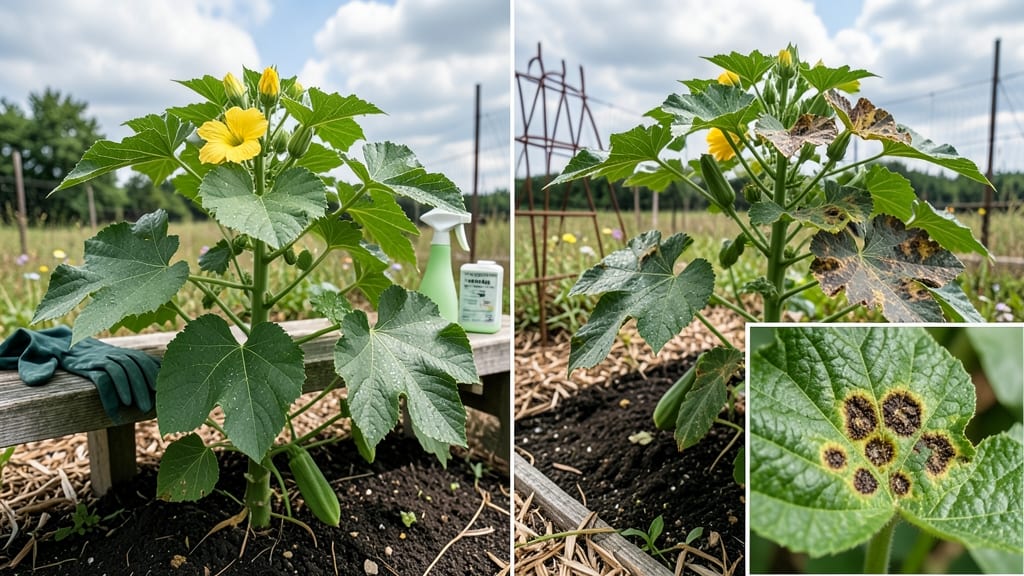
Okra leaf spot turns vibrant green leaves into a sad, spotted mess—🌱 but I’ve found the organic spray that stops it in its tracks. This fungal disease thrives in humid heat, leaving brown or yellow spots that spread fast if ignored.
The good news? A simple homemade spray with ingredients you already have can save your crop.
Most gardeners panic when they see those first ugly spots, but the fix is straightforward: copper fungicide (organic version) or a baking soda mix applied every 7-10 days.
Proper spacing between plants and removing infected leaves early keeps the problem from exploding. My plants stayed healthy all summer after switching to this routine.
You’ll see new growth pushing out within days of treatment, with leaves staying crisp and green. The key is consistency—don’t skip sprays just because the spots seem gone. Harvest pods before they get too tough, and you’ll enjoy fresh okra all season long.
Works in any climate where okra grows, from sweltering South Texas to humid Southern gardens. Here’s exactly how to mix and apply the spray—no fancy tools needed.
Understanding The Root Causes
Okra leaf spot isn’t just a random nuisance—it’s a fungal party crashers that thrives when conditions align perfectly for its survival. Let’s break down the three key culprits behind this pesky problem, so you can spot the warning signs early and shut down the fungus before it spreads like wildfire.
Fungal spores love damp environments, and okra plants are no exception. When leaves stay wet for prolonged periods—whether from overwatering, poor drainage, or heavy dew—the fungus (Pseudocercospora or Cercospora species) gets the perfect breeding ground.
- Why it happens:
- Poor air circulation traps moisture near leaves, creating a humid microclimate.
- Frequent rain or overhead irrigation keeps spores hydrated, allowing them to germinate and infect.
- Dense plantings reduce airflow, slowing evaporation and prolonging leaf wetness.
- Actionable insight:
- Space plants 18–24 inches apart for better airflow.
- Water early in the day (before 10 AM) to allow leaves to dry.
- Avoid wetting foliage—drip irrigation or soaker hoses are your best friends.
Stressed okra plants are like open doors for fungal invaders. When your plants are nutrient-deficient, overcrowded, or recovering from pests, their natural resistance drops, making them prime targets for leaf spot.
- Why it happens:
- Nitrogen deficiency weakens cell walls, making them easier for fungi to penetrate.
- Herbicide damage (even from neighboring weeds) can create entry points for spores.
- Prior infections (like bacterial blight) leave plants vulnerable to secondary fungal attacks.
- Actionable insight:
- Boost nitrogen with compost tea or a balanced organic fertilizer (10-10-10).
- Rotate crops—don’t plant okra in the same spot year after year (wait 3 years before replanting).
- Remove and destroy infected leaves immediately to prevent spore spread.
Fungal spores are sneaky survivors—they can lurk in soil, old plant debris, or even your gardening tools for years, waiting for the right moment to strike.
- Why it happens:
- Infested soil from previous okra or related crops (like cotton or hibiscus) carries dormant spores.
- Reusing contaminated tools (pruners, hoes) spreads spores from infected plants to healthy ones.
- Compost made from diseased plants can reintroduce the fungus if not properly heated (140°F+ for 3+ days).
- Actionable insight:
- Solarize soil in late summer by covering it with clear plastic for 4–6 weeks to kill spores.
- Disinfect tools with 70% isopropyl alcohol or a 10% bleach solution between uses.
- Test soil for fungal activity before planting—look for dark, greasy spots on old plant matter.
Pro Tip: 💡 Early detection is your best defense! Check the undersides of leaves (a hotspot for spores) every 5–7 days, especially after rain. Catching leaf spot in its infancy means fewer spores, less spread, and easier treatment.
How to Fix Fungal Spots Organically
Fungal leaf spots on okra can be frustrating, but with the right approach, you can restore your plants to health—without harsh chemicals. The key is identifying the root cause (overwatering, poor airflow, or fungal buildup) and applying targeted, organic fixes.
Below, we break down practical solutions for each common trigger, plus prevention tips to keep your okra thriving.
If your okra leaves are soggy or yellowing with spots, excess moisture is likely the culprit. Fungal spores thrive in damp conditions, so cutting back on water and improving drainage is step one.
How to Fix It:
- 🔥 Water in the Morning Only – Avoid evening watering to let foliage dry before nightfall (when fungi spread).
- 🍳 Use Drip Irrigation – Keep water off leaves by delivering it directly to the soil.
- 👨🍳 Raise Beds or Add Mulch – Elevate plants slightly or apply straw or wood chips (2–3 inches thick) to prevent soil splashing onto leaves.
- ⏰ Let Soil Dry Between Waterings – Stick your finger 1–2 inches into the soil; water only when it’s dry.
Prevention Tip: 💡 Test your soil’s drainage—if water pools after 30 minutes, amend with compost or perlite to improve airflow.
Fungal spores spread faster in humid, enclosed spaces. If your okra is planted too closely or shaded, spots will worsen.
How to Fix It:
- 🔪 Thin Out Plants – Space okra 18–24 inches apart (check seed packet guidelines) to allow airflow.
- 🌿 Prune Overlapping Leaves – Remove crowded or damaged foliage to reduce humidity pockets.
- 🍳 Install a Small Fan – A gentle 12V USB fan on low setting near plants can lower humidity by 20% (great for greenhouses or dense plantings).
- 🌡️ Water Less Frequently – Overwatering + poor airflow = fungal paradise. Adjust your schedule.
Prevention Tip: ✨ Rotate crops annually—never plant okra (or other susceptible plants like tomatoes) in the same spot two years in a row.
Once spots appear, act fast with natural fungicides. These remedies smother spores and boost plant immunity.
How to Fix It:
| Solution | How to Use | Frequency |
|---|---|---|
| 🥘 Neem Oil Spray | Mix 1 tbsp neem oil + 1 tsp mild soap + 1 quart water. Spray both sides of leaves. | Every 7–10 days until spots fade. |
| 🍳 Baking Soda Mix | Combine 1 tbsp baking soda + 1 quart water + 1 tsp oil (to help stick). Spray at dawn to avoid leaf burn. | Every 5–7 days (safe for edible plants). |
| 🌿 Copper Fungicide (Organic) | Use liquid copper (like Bonide Copper Fungicide)—follow label rates. | Every 10–14 days (last resort if other sprays fail). |
| 🍄 Compost Tea | Brew 1 cup compost in 5 gallons water for 24 hours, strain, and spray. Rich in beneficial microbes. | Every 2 weeks as a preventive boost. |
Pro Tip: 🔥 Spray in the early morning—this gives leaves time to dry, preventing fungal regrowth.
Healthy okra resists fungal attacks better. Focus on nutrient balance and soil health.
How to Fix It:
- 💪 Feed with Compost Tea or Fish Emulsion – Fungi love stressed plants. A weekly dose of liquid fertilizer (like seaweed extract) strengthens cell walls.
- 🥗 Add Mulch with Mycorrhizal Fungi – Inoculated mulch (available at garden centers) introduces good fungi that outcompete leaf spot pathogens.
- 🍎 Avoid Nitrogen Overload – Too much nitrogen = soft, weak leaves. Balance with potassium (banana peels) or phosphorus (bone meal).
Prevention Tip: 🎯 Plant companion crops—okra grows well with marigolds or basil, which repel pests that stress plants.
If 50%+ of leaves are spotted or plants wilt despite treatment, sacrifice them to save the rest.
How to Fix It:
- 🔪 Snip off infected leaves (sterilize scissors with rubbing alcohol between cuts).
- 🍳 Dig up and destroy heavily spotted plants—do not compost them (spores can survive).
- 🌿 Solarize the soil (if possible): Cover the bed with clear plastic for 4–6 weeks in hot sun to kill lingering fungi.
Prevention Tip: 🌡️ Rotate crops—plant beans, peas, or cucumbers in the affected bed next season to break the fungal cycle.
To prevent recurrence, follow this weekly checklist:
- 🌞 Inspect leaves for new spots (catch early!).
- 💧 Water at soil level (avoid wetting foliage).
- 🍳 Spray neem oil or baking soda (alternate weekly).
- 🌿 Prune for airflow (remove yellow/damaged leaves).
- 💪 Feed with compost tea (every 2 weeks).
With consistency, your okra will bounce back stronger—and you’ll enjoy spot-free, homegrown pods all season! 🥒✨
Frequently asked questions about okra leaf spot
What do okra leaf spot symptoms look like?
Look for small, dark brown or black spots with yellow halos on upper leaves, often starting at the edges. Check leaf undersides too—you’ll see fuzzy gray mold (the fungus’s spore-producing structures). Spots may merge into larger patches as the disease progresses.
Can I still eat okra pods if the leaves have spots?
Yes, but only if the pods themselves are unaffected. The fungus rarely spreads to the edible parts. Harvest pods promptly when 3–5 inches long (before spots can reach them). Discard any pods showing signs of infection or discoloration.
How quickly will my okra recover after treatment?
With consistent treatment (neem oil or baking soda sprays every 5–7 days), you’ll see new growth in 7–10 days. Existing spots won’t disappear instantly, but they’ll stop spreading. Focus on preventing further infection by improving airflow and reducing leaf wetness.
Will copper fungicide harm beneficial insects like bees?
Copper fungicides are generally safe for bees when used as directed, but avoid spraying when flowers are open. For extra caution, apply copper treatments in the late afternoon when bees are less active. Organic options like neem oil are even safer for pollinators.
Can I save my okra plants if they're already heavily infected?
Only if you act fast! Remove all infected leaves (sterilize your pruners first) and apply a strong fungicide like copper. If 50%+ of the plant is affected, it’s often better to pull it out completely to prevent soil contamination. Solarize the area afterward to kill lingering spores.