
Planting
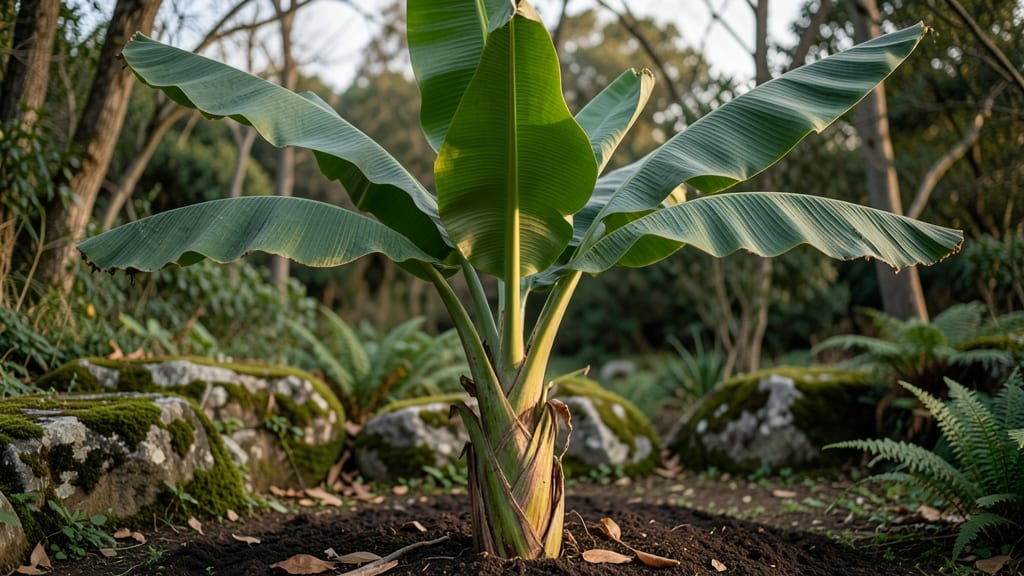
Your outdoor banana leaf plant transforms any patio or garden into a lush tropical escape—Musa basjoo or Ensete ventricosum thrive in containers with minimal fuss. 🌿 I’ve grown these dramatic plants for years, and they’ve never failed to impress with their bold foliage and easygoing nature.
The key? Mimicking their natural habitat with just a few simple adjustments.
These plants love bright, indirect light but tolerate partial shade, making them perfect for patios or shaded garden corners. Use well-draining potting mix with plenty of organic matter—think 50% garden soil, 30% compost, and 20% perlite—to keep roots happy.
Water deeply when the top inch of soil feels dry, but avoid soggy pots, which can rot those massive leaves.
By summer, you’ll be harvesting foot-long leaves for wrapping food or using as stunning cut foliage. Prune spent leaves in early spring to encourage fresh growth, and fertilize monthly with a balanced organic fertilizer. Even in cooler climates, these plants bounce back year after year with proper winter care.
Whether you’re growing for show or culinary fun, banana leaf plants deliver dramatic impact with minimal effort. They’re beginner-friendly but rewarding for seasoned gardeners—just don’t skimp on pot size (aim for at least 15-gallon containers for mature plants). Ready to bring the tropics home?
📚 In This Guide
- What you need
- Instructions
- Tips and common mistakes
- Wrapping up and next steps
What you need
- ● Banana leaf plant: 1-2 live plants (choose hardy varieties like Musa basjoo or Strelitzia reginae for containers).
- ○ Optional: A potted plant from a nursery (already in a 5-10 gallon container).
- ● Container: 1 large, sturdy pot (minimum 15-20 gallons for mature plants, with drainage holes).
- ● Material: Fiberglass, ceramic, or heavy-duty plastic (avoid lightweight containers that tip easily).
- ○ Optional: A saucer or tray to catch excess water.
- ● Potting mix: 5-10 gallons of well-draining, peat-based mix (amend with perlite or orchid bark for aeration).
- ● Pro tip: Mix in compost or worm castings (10-20%) for extra nutrients! 💡
- ● Basic tools: 1 trowel or hand shovel for planting.
- ● 1 pair of gardening gloves (to protect from thorns or rough leaves).
- ● 1 watering can or hose with a gentle spray nozzle.
- ○ Optional: A moisture meter to monitor soil hydration.
- ● Sunlight: A bright, indirect spot (6+ hours of sun daily for Musa; partial shade for Strelitzia).
- ● Climate: USDA Zones 7-11 (or bring indoors if temperatures drop below 30°F).
- ● Water access: A nearby hose or water source (these plants love moisture but hate soggy roots!).
- ● Space: Ensure your container has room to grow—banana plants can reach 6-10 feet tall!
Step-by-Step instructions for growing outdoor banana leaf plants in containers
Here’s how to cultivate lush, vibrant banana leaf plants that bring tropical drama to patios and balconies.
🌱 Step 1: Select the Right Container and Soil Mix
Choose a large, sturdy container with drainage holes—banana leaf plants (like Musa basjoo or Musa ornata) need at least 18-24 inches deep to accommodate their sprawling root systems. I opt for fiberglass or heavy plastic pots because they won’t crack under the plant’s weight as it matures. Fill the bottom 6 inches with gravel or broken pottery to ensure excess water drains freely.
Use a well-draining, slightly acidic potting mix (pH 5.5-6.5). I blend 60% premium potting soil, 30% perlite or orchid bark, and 10% compost to mimic their native tropical soil. Avoid garden soil—it compacts and suffocates roots. Moisten the mix until it’s damp but not soggy before planting.
🌿 Step 2: Plant the Banana Leaf Pseudo-Stem
Banana leaf plants grow from rhizomes or potted divisions, not seeds. Gently remove the plant from its nursery container and loosen the roots if they’re tightly bound. Place it in the pot so the top of the rhizome sits just below the soil line—burying it too deep risks rot, while leaving it exposed dries it out. Fill around the roots with your prepared mix, pressing lightly to eliminate air pockets.
Water deeply right after planting until moisture seeps from the drainage holes. This settles the soil and encourages roots to spread outward. I like to add a slow-release fertilizer (10-10-10) to the top inch of soil—it feeds the plant gradually as roots establish. Avoid overwatering now; let the top 2 inches of soil dry out between waterings for the first week.
☀️ Step 3: Position for Maximum Sun and Shelter
Banana leaf plants crave bright, indirect light—think morning sun with afternoon shade, especially in hot climates. A south- or west-facing patio works well if the plant is shielded from midday sun (11 AM–3 PM), which can scorch leaves. If you only have full sun, provide 50% shade cloth during peak hours. You’ll know it’s getting too much sun when leaves develop brown, crispy edges.
Protect your plant from wind and cold drafts. These tropical beauties thrive in USDA Zones 7-11 and need temperatures above 50°F. In colder regions, move the container indoors near a sunny window or under grow lights during winter. If you’re in a windy area, anchor the pot with sandbags or stakes—tall banana leaves can snap in gusts.
💧 Step 4: Water and Feed for Year-Round Growth
Water when the top 3-4 inches of soil feel dry to the touch. Banana leaf plants are thirsty but hate soggy roots, so I water deeply 2-3 times per week in summer, reducing to once a week in winter. Always water at the base, not overhead, to prevent fungal diseases like leaf spot. Yellowing leaves often signal overwatering—let the soil dry out more before repeating.
Feed every 4-6 weeks during the growing season (spring–fall) with a balanced liquid fertilizer (20-20-20). I dilute it to half-strength to avoid burning roots. In winter, cut back to once every 8 weeks. You’ll see new, larger leaves emerge within 2-3 weeks of fertilizing—this is your cue that the plant is happy and thriving.
✂️ Step 5: Prune and Divide for Long-Term Health
Remove yellow or damaged leaves at the base with clean, sharp pruners to redirect energy to new growth. Never prune more than one-third of the plant at a time—this stresses the rhizome. If your banana leaf plant outgrows its container (usually after 2-3 years), it’s time to divide. Gently lift the plant, separate the rhizomes with a sterilized knife, and repot the largest divisions into fresh containers with new soil.
Dividing rejuvenates the plant and gives you free, ready-to-grow offsets. I do this in early spring before new growth begins. After dividing, water lightly for a week to help roots recover. Avoid fertilizing for 4-6 weeks—the plant needs time to adjust to its new home. With proper care, your banana leaf plant can live for decades, growing taller and more dramatic each year.
Tips & tricks for perfect outdoor banana leaf plant growth
Here's what nobody tells you about keeping your tropical beauty thriving year after year.
Container Selection: The 18-24 inch depth requirement isn't just about roots—it's about stability. I've seen banana leaf plants topple over in heavy pots when leaves reach 6-8 feet tall. Choose containers with wide, sturdy bases (at least 18 inches in diameter) to prevent tipping. For windy locations, consider a pot with built-in weights or secure it with sandbags during storms. The fiberglass or heavy plastic recommendation in Step 1 is perfect because these materials won't crack under the plant's weight as it matures.
Soil Mix Secrets: That 60-30-10 soil blend in Step 1 is crucial, but here's the detail most miss: sterilize your potting soil first by baking it at 200°F for 30 minutes to kill any pathogens. I also add a handful of worm castings to the compost portion—this boosts microbial activity that helps roots absorb nutrients more efficiently. The slightly acidic pH (5.5-6.5) prevents nutrient lockout, which is why your plant might yellow even with proper watering.
Light Positioning: The morning sun/afternoon shade recommendation in Step 3 is ideal, but here's how to perfect it: use a light meter app to check your patio's light levels. Aim for 3,000-5,000 foot-candles during morning hours. For full-sun locations, I recommend moving the plant to shade between 11 AM-3 PM rather than using shade cloth—this mimics natural tropical conditions where plants get filtered sunlight through canopy leaves. The brown crispy edges warning sign is your plant's way of saying "I'm getting too much direct UV."
Watering Wisdom: The 2-3 times per week summer watering guideline in Step 4 works, but here's the pro move: water in the early morning so leaves dry completely by evening, preventing fungal issues. I use the "weight test" method—lift the pot after watering. It should feel noticeably lighter by the next watering day. For containers larger than 24 inches, you may need to water every other day in peak summer. The yellowing leaves warning is especially critical—this often means overwatering, not underwatering.
Pro Tips for Outdoor Banana Leaf Plant
- Here's what nobody tells you about keeping your tropical beauty thriving year after year.
- Container Selection: The 18-24 inch depth requirement isn't just about roots—it's about stability.
- Soil Mix Secrets: That 60-30-10 soil blend in Step 1 is crucial, but here's the detail most miss: sterilize your potting soil first by baking it at 200°F for 30 minutes to kill any pathogens.
Frequently asked questions
Got questions about growing your own outdoor banana leaf plant? You’re not alone! Here are some of the most common queries—plus straightforward answers to help you cultivate lush, tropical foliage with ease.
Can I grow a banana leaf plant in a container outdoors year-round?
A Musa plant (like the dwarf Cavendish) can thrive in containers outdoors in warm climates (USDA Zones 9-11) year-round. In colder regions, move it indoors during winter or grow it as an annual. Use a large pot (at least 15 gallons) with drainage holes and protect it from frost—banana plants are tropical and not frost-tolerant!
How long does it take for a banana leaf plant to produce new leaves?
Young banana plants typically grow 1-2 new leaves per month during active growth (spring/summer). With proper care—bright, indirect light, consistent moisture, and balanced fertilizer—they can reach maturity (ready for harvesting) in 12-18 months. Patience pays off with those iconic giant leaves!
Why are my banana plant leaves turning yellow or brown?
Yellowing leaves often signal overwatering or poor drainage, while brown edges can mean underwatering or low humidity. Check the soil moisture (top 2 inches should be dry) and ensure your plant gets 6+ hours of sunlight daily. Mist leaves or use a pebble tray to boost humidity—banana plants love it tropical!
Are there smaller banana plant varieties better for containers?
Dwarf varieties like the Dwarf Cavendish or Red Dwarf stay under 6 feet tall and are perfect for containers. They’re also faster-growing and more manageable than giant Musa species. Just ensure your pot is wide enough (banana roots spread horizontally) and use a well-draining potting mix.
Can I eat the bananas from my outdoor banana leaf plant?
Technically yes, but only if grown from a certified edible variety (like Dwarf Cavendish). Bananas from ornamental plants may not be safe to eat due to pesticide use or hybridization. If you’re growing for fruit, research organic, non-GMO seeds and follow proper care to ensure safety. Otherwise, enjoy the stunning foliage!
Wrapping up and next steps
Growing an outdoor banana leaf plant in containers is a rewarding way to bring tropical charm to your space—even in small gardens or urban patios! 🌿 With the right care, sunlight, and well-draining soil, you’ll enjoy lush foliage and even delicious fruit (if you’re lucky).
Whether you’re a beginner or a plant enthusiast, this low-maintenance beauty is a fantastic addition to your outdoor oasis.
Ready to dive in? Start by gathering your supplies, then follow the steps to plant and nurture your banana leaf plant. Don’t wait—your tropical escape is just a few pots away! 🌱