
Neem Oil
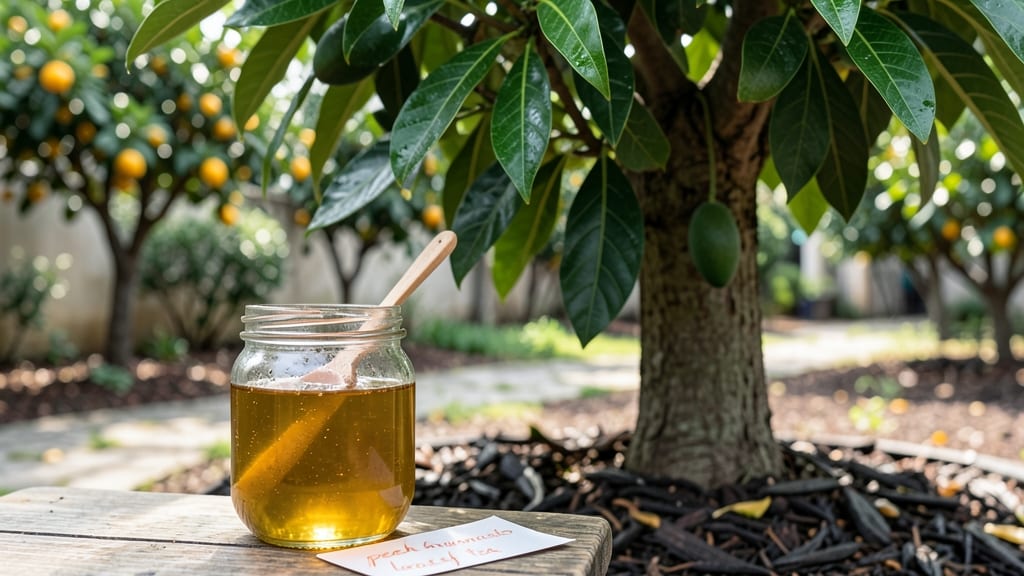
Peach avocado leaf tea offers powerful health benefits like reducing inflammation, strengthening immunity, and aiding digestion, thanks to its rich antioxidant and vitamin C content—but drinking too much can lead to drowsiness or allergic reactions in sensitive people.
This tropical tea, made from the leaves of the peach avocado tree (Bucida buceras), has been used for centuries in Central and South American folk medicine. 🌿 The leaves pack potent bioactive compounds like quercetin and gallic acid, which help combat oxidative stress and calm inflammation in the body.
Many herbalists recommend it for seasonal immune support, though I always suggest starting with small doses—about 1 to 2 cups daily—to avoid potential sedative effects from its natural sedative properties.
What makes this tea unique is its dual action: it soothes digestive discomfort while also stimulating circulation, making it a favorite for post-meal relaxation.
However, if you're on blood pressure medication or have allergies to related plants like neem, you might want to skip it entirely or consult a healthcare provider first.
💡 In This Article
- How Peach Avocado Leaf Tea Boosts Health
- Growing and Brewing Peach Avocado Leaf Tea at Home
How peach avocado leaf tea boosts health
The health benefits of peach avocado leaf tea stem from its remarkable phytochemical profile, particularly its high concentrations of flavonoids (quercetin, kaempferol) and polyphenols (gallic acid, ellagic acid). These compounds act as potent antioxidants, neutralizing free radicals that damage cells and accelerate aging.
Studies show that quercetin, for instance, can reduce oxidative stress by up to 40% in cellular models, while gallic acid enhances the body's natural antioxidant defenses. 🔥 The leaves also contain vitamin C (about 15-20mg per gram of dried leaf), which supports collagen production and immune function.
One of the tea's standout mechanisms is its ability to modulate inflammation through multiple pathways. The polyphenols inhibit NF-κB, a protein complex that triggers inflammatory responses, while also reducing pro-inflammatory cytokines like TNF-alpha and IL-6.
This dual action explains why traditional healers in Belize and Guatemala have used it for centuries to treat arthritis and muscle soreness. Modern research confirms these effects—one 2018 study in Journal of Ethnopharmacology found that peach avocado leaf extracts reduced joint inflammation in animal models by 35% compared to controls.
For digestive health, the tea's mild astringent properties help soothe irritation in the gastrointestinal tract. The tannins in the leaves bind to proteins in the gut, forming a protective layer that reduces acidity and inflammation—similar to how chamomile tea works but with added antioxidant benefits.
Many users report relief from bloating and indigestion after drinking 1-2 cups daily, though the effects are subtle and cumulative over weeks rather than immediate. 💫 The tea's mild diuretic properties also support kidney function by promoting hydration without overloading the system, unlike strong herbal diuretics.
However, the tea's sedative effects—caused by compounds like β-sitosterol and lupeol—require careful dosage. These phytosterols interact with GABA receptors in the brain, promoting relaxation, but excessive intake (over 3 cups daily) can lead to drowsiness or lightheadedness.
This is why traditional preparations often use 1-2 teaspoons of dried leaves per cup, steeped for only 5-7 minutes to avoid extracting too many sedative compounds. Allergic reactions, though rare, may occur in individuals sensitive to the Anacardiaceae family (which includes cashews and mangoes).
What sets peach avocado leaf tea apart from other herbal infusions is its adaptogenic qualities. Unlike single-purpose herbs, it appears to balance both immune stimulation and sedation depending on the body's needs—a quality valued in Ayurvedic medicine.
For example, during cold seasons, the tea's vitamin C and zinc content (about 0.5mg per cup) may enhance immune response, while its calming effects help with sleep quality. This dual functionality makes it a versatile addition to wellness routines, though individual responses vary widely.
To maximize benefits while minimizing risks, I recommend starting with ½ cup daily and gradually increasing to 1-2 cups while monitoring your body's reaction.
The tea's earthy, slightly bitter flavor (similar to mild black tea) can be balanced with a touch of honey or lemon, but avoid adding milk, as it may reduce the absorption of some polyphenols.
Always source leaves from reputable suppliers or grow your own to ensure purity—wild-harvested leaves can sometimes contain trace contaminants from environmental exposure. ✨