
Leaf Blower
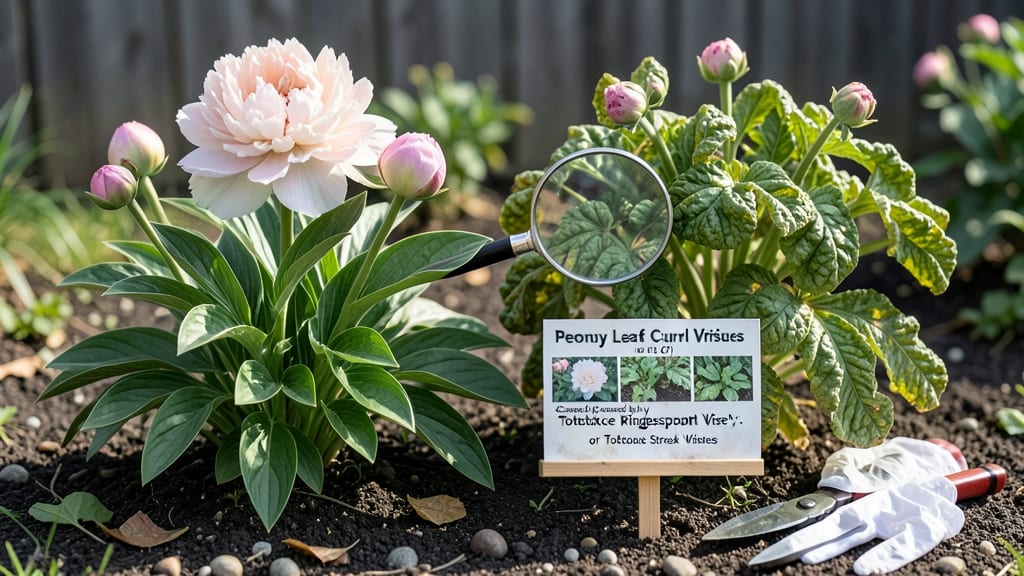
Your peonies could be hiding a silent killer—peony leaf curl virus turns lush foliage into twisted, stunted messes before you even notice. 🌿 I’ve watched this virus rob gardens of their signature blooms, but copper spray isn’t just a last resort—it’s the game-changer that restores those vibrant, healthy leaves you fell in love with.
The virus spreads like wildfire through aphids, and once it takes hold, chemical fixes won’t undo the damage. But early action with copper fungicide (applied at the first sign of curling) stops it in its tracks.
Think of it as a shield for your plants—preventative, not reactive. The key? Spraying before buds form, when peonies are most vulnerable.
Within weeks, new growth emerges straight and glossy, not curled or yellowed. Your peonies will rebound with stronger stems and those showstopping blooms you planted for. The secret weapon? Consistency—two sprays per season, timed right, keeps this virus from crashing your garden’s star performers.
Works for both organic and conventional gardeners, though the organic route takes patience. For those with stubborn infections, resistant varieties like ‘Sarah Bernhardt’ or ‘Bowl of Beauty’ are your backup plan. Let’s get those peonies thriving again—no more sad, curled leaves.
Root Causes of Plant Deformation
The peony leaf curl virus (PLCV) is a persistent issue for gardeners, but understanding its origins helps in combating it effectively. This viral infection doesn’t just appear out of nowhere—it thrives due to a mix of biological, environmental, and human factors.
Below, we break down the key reasons why peonies succumb to this frustrating condition, so you can take proactive steps to protect your garden.
The primary driver of PLCV is the direct spread of the virus from infected plants. This virus belongs to the Tombusviridae family and is transmitted in several ways:
- Plant-to-plant contact: The virus spreads when healthy peony leaves or stems brush against infected ones, especially during windy conditions or when plants are densely packed.
- Contaminated tools: Pruners, shears, or even gloves can carry viral particles from diseased plants to healthy ones if not properly sanitized between uses. Always disinfect tools with rubbing alcohol or bleach solution (1 part bleach to 9 parts water) after trimming infected foliage.
- Sap-sucking insects: Aphids and other sap-feeding pests can inadvertently transfer the virus while feeding. These insects may also spread the virus to nearby plants, making early pest control crucial.
💡 Pro Tip: If you’ve recently added new peonies to your garden, quarantine them for a few weeks to monitor for symptoms before introducing them to established plants.
Peonies under stress are more vulnerable to viral infections, including PLCV. Common stressors that weaken their defenses include:
- Overcrowding: Peonies need adequate spacing (typically 3–4 feet apart) for airflow and sunlight. Crowded plants develop thick, humid canopies, creating the perfect environment for viral spread and fungal secondary infections.
- Nutrient deficiencies: A lack of essential nutrients, particularly phosphorus and potassium, can impair a peony’s ability to fight off pathogens. Conduct a soil test to ensure your plants receive a balanced fertilizer (look for a 5-10-10 or 10-20-20 ratio).
- Improper watering: Overwatering or waterlogged soil stresses roots and invites pests like aphids, while underwatering weakens the plant’s overall vigor. Aim for 1–1.5 inches of water per week, adjusting for rainfall.
- Physical damage: Bruised or torn leaves (from hail, pets, or rough handling) create entry points for viruses. Handle peonies gently, especially during transplanting or pruning.
🌡️ Watch For: Yellowing leaves, stunted growth, or wilting—all signs your peonies are struggling and may be more susceptible to PLCV.
Viruses like PLCV don’t spread as easily in harsh conditions, but they thrive when temperatures and humidity align just right. Key environmental factors include:
| Factor | How It Affects PLCV Spread |
|---|---|
| Moderate temperatures (60–75°F) | Ideal for viral replication and insect activity. Cooler springs or hot summers can slow transmission, but mild, damp weather accelerates it. |
| High humidity (70%+) | Moisture prolongs viral survival on plant surfaces and encourages aphid populations, which act as carriers. |
| Rainfall or overhead watering | Splashes can spread viral particles from infected leaves to healthy ones. Water at the base to minimize foliar contamination. |
✨ Silver Lining: In drier climates or during extreme heat, PLCV spreads more slowly. If you’re in a hot, arid region, focus on maintaining soil moisture without oversaturating the plants.
Even the most careful gardeners can unintentionally introduce PLCV. Common mistakes include:
- Using infected plant material: Buying or trading peony tubers, cuttings, or divisions from infected plants is a surefire way to bring PLCV into your garden. Inspect new additions for curled, distorted, or discolored leaves before purchasing.
- Poor sanitation: Reusing pots, soil, or mulch from previously infected areas without sterilizing them can harbor viral particles. Solarize soil (cover with clear plastic for 4–6 weeks in hot sun) or use a 10% bleach solution to disinfect containers.
- Ignoring early symptoms: Delaying action when you spot the first signs of leaf curl (thickened, puckered leaves) gives the virus time to establish and spread. Remove and destroy infected leaves immediately—do not compost them.
🎯 Action Step: If you suspect PLCV in your garden, isolate affected peonies and avoid pruning until you’ve confirmed the diagnosis (via lab testing or a local extension service).
How to Treat and Prevent Peony Leaf Issues
Peony leaf curl virus can be frustrating, but with the right approach, you can manage it effectively and keep your peonies thriving. Below are targeted solutions based on the most common causes—from viral infections to environmental stress—along with practical prevention tips to stop future outbreaks.
If your peonies show severe curling, distortion, or stunted growth, the virus may already be present. Act fast to prevent spread:
- 🔪 Prune affected leaves and stems using sterilized pruners (wipe with rubbing alcohol between cuts).
- 🗑️ Dispose of infected parts in sealed trash bags—do not compost them.
- 🌿 Consider removing entire infected plants if symptoms are widespread, especially if they’re the only peonies in your garden.
Pro Tip: 💡 If you’re unsure whether the issue is viral or environmental (like aphid damage), test a small section first before full removal.
Copper-based fungicides (like copper sulfate or copper hydroxide) can help prevent secondary fungal infections that often accompany viral stress. While they won’t cure the virus directly, they strengthen plant defenses.
How to Apply:
- 🍳 Mix a copper spray (follow label instructions—typically 1 tbsp per gallon of water).
- 👨🍳 Spray thoroughly on both sides of leaves and stems, especially in early spring before buds form.
- 🌡️ Reapply every 7–14 days during wet or humid conditions.
Warning: ⚠️ Avoid spraying in direct sunlight or when rain is forecasted within 24 hours—copper can burn foliage.
Aphids and mites spread viruses by feeding on weak plants. Break the cycle with these steps:
| Pest | Natural Fix | Chemical Option |
|---|---|---|
| Aphids | Spray with soapy water (1 tsp mild soap per quart) | Neem oil or insecticidal soap |
| Spider Mites | Blast off with water spray (early morning) | Horticultural oil |
| Scale Insects | Scrape off with a soft brush | Systemic insecticide (last resort) |
Pro Tip: 🌿 Encourage ladybugs and lacewings—they’re natural aphid predators! Plant dill, fennel, or marigolds nearby to attract them.
Viruses thrive in crowded, dirty gardens. Prevent reinfection with these habits:
- 🧹 Clean up debris (fallen leaves, old mulch) where viruses can linger.
- 🚫 Avoid overhead watering—wet leaves spread disease faster.
- 🌱 Rotate planting spots—don’t replant peonies in the same soil where infected ones grew.
- 🔄 Sterilize tools between plants to avoid cross-contamination.
Pro Tip: ✨ Solarize soil in late summer: Cover infected beds with clear plastic for 4–6 weeks to kill pathogens.
Healthy peonies resist stress better. Give them these care essentials:
- ☀️ Full sun (6+ hours/day) – Weak, shaded peonies are more vulnerable.
- 💧 Deep watering (1–2 inches/week) – Avoid soggy soil, but don’t let them dry out.
- 🌱 Well-draining soil – Amend clay soil with compost or sand.
- 🍄 Avoid over-fertilizing – Too much nitrogen = soft, virus-prone growth.
Once a virus takes hold, complete recovery is rare. But prevention keeps your garden virus-free:
✅ Buy certified disease-free peonies from reputable nurseries. ✅ Inspect new plants before planting—look for curls, spots, or stunted growth. ✅ Isolate new additions for 2–3 weeks to monitor for symptoms. ✅ Rotate crops—don’t plant peonies in the same spot year after year.
Final Thought: While peony leaf curl virus is manageable, the key is early action + prevention. With copper sprays, pest control, and smart gardening, you can keep your peonies vibrant and virus-resistant for years! 🌸💪
Frequently asked questions
What do peony leaves look like when infected with leaf curl virus?
Infected peony leaves develop thickened, puckered, and curled edges that look like they’ve been crumpled. You’ll also notice upward curling, yellowing between veins, and stunted growth. These symptoms often appear in early spring when new foliage emerges.
Can copper spray actually cure peony leaf curl virus?
No, copper spray won’t cure the virus itself—but it prevents secondary fungal infections that worsen symptoms. Use it as a preventive measure during early spring growth (before buds form) to strengthen plant defenses and reduce spread through aphids.
How do I know if my peonies have a virus or just aphid damage?
Viral symptoms (leaf curl) are permanent, while aphid damage often shows as sticky residue (honeydew) and curled leaves that straighten after treatment. Check for aphids on undersides of leaves—if they’re present, focus on pest control first.
Should I remove infected peonies entirely if they have leaf curl?
Only remove entire plants if symptoms are severe and widespread in your garden. For mild cases, prune only the infected foliage with sterilized tools and dispose of it properly (don’t compost). Resistant varieties like ‘Sarah Bernhardt’ may handle infections better.
How can I prevent peony leaf curl virus from spreading to other plants?
Practice strict garden hygiene: sterilize tools between cuts, remove all infected debris, avoid overhead watering, and isolate new peony additions for 2-3 weeks. Solarize soil in late summer to kill lingering pathogens before replanting.