
Pests and Diseases
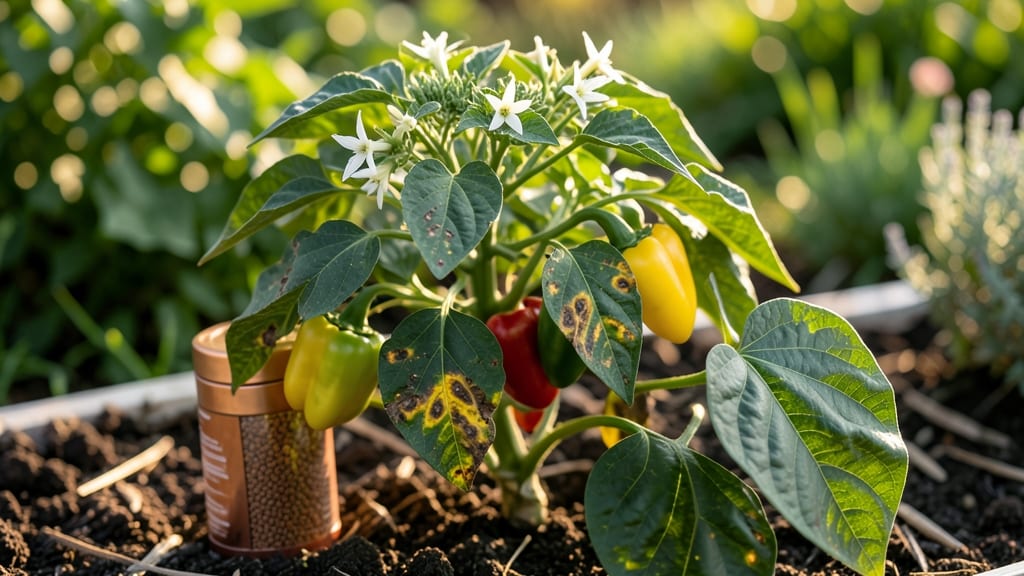
Your peppers' leaves are turning into that spotted mess from pepper leaf spot, and I get it—this fungal nightmare can wipe out a harvest faster than you can say "jalapeño." The good news?
I've battled pepper leaf spot for years, and these organic sprays bring plants back to vibrant green in just 2-3 weeks without harsh chemicals. The key is catching it early and attacking it right.
This isn't just about spraying copper or baking soda—it's about fixing the conditions that invite the fungus in the first place. Overhead watering, crowded plants, and wet foliage turn your garden into a fungal buffet.
My fail-safe method combines targeted sprays with simple cultural fixes that actually work, even for stubborn cases on bell peppers and jalapeños.
By the time you're done, your plants will be putting out new growth instead of struggling with brown spots. The best part? These remedies work for your tomatoes and eggplants too. No more throwing away spotted leaves or watching your harvest shrink—just healthy plants that keep producing.
We'll cover exactly what to spray, when to do it, and how to prevent this from happening next season. Trust me, once you've seen a pepper plant recover from leaf spot, you'll never ignore those first few spots again.
Root Causes Of Fungal Foliar Damage
Fungal diseases like pepper leaf spot don’t just appear out of nowhere—they thrive when specific conditions align. Understanding these triggers helps you prevent outbreaks before they ruin your harvest. Below, we break down the key culprits behind this pesky problem, from environmental factors to gardening habits that invite trouble.
Fungi love moisture—think of them as tiny water-loving vampires. High humidity (above 75%) and stagnant air create the ideal breeding ground for pathogens like Xanthomonas campestris (a common leaf spot culprit). Here’s why:
- Prolonged leaf wetness: Dew, rain, or overhead watering keeps leaves damp for more than 12 hours, giving fungi time to germinate and infect.
- Dense plant spacing: Crowded peppers block airflow, trapping humidity and preventing leaves from drying quickly.
- Shady or enclosed growing areas: Greenhouses, patios, or shaded spots with poor ventilation trap moisture, accelerating fungal spread.
Actionable fix: Space plants 18–24 inches apart, prune for airflow, and water early in the day so leaves dry by sunset. 🌡️
A healthy pepper plant has natural defenses—thick cuticles, strong roots, and antimicrobial compounds. But when plants are stressed, their guard drops. Common stressors that invite fungal infections include:
- Nutrient deficiencies: Low nitrogen or potassium weakens cell walls, making them easier targets. Yellowing leaves or stunted growth? That’s your warning sign.
- Physical damage: Hail, pests (like aphids), or rough handling create entry points for fungi to slip in.
- Overwatering or drought stress: Both extremes disrupt root function, leaving plants vulnerable. Wilting or crispy edges? Time to adjust your watering.
- Transplant shock: Moving peppers from nursery to garden (or repotting) can stress roots, lowering resistance.
Actionable fix: Feed plants with balanced organic fertilizer (like compost tea or fish emulsion), avoid overwatering, and harden off seedlings before transplanting. 💪
Fungi are persistent. They can lurk in soil, old plant debris, or even your pruners for years before striking. Here’s how contamination spreads:
- Infected plant debris: Leaving last year’s pepper leaves or stems in the soil provides a fungal food source and spores for next season.
- Reused or dirty tools: Pruners, gloves, or stakes contaminated with Xanthomonas or Phytophthora (another leaf spot cause) can transfer spores to healthy plants.
- Compost with diseased material: Adding infected plant waste to compost doesn’t kill all spores—it just delays the problem.
Actionable fix:
- Sterilize tools with 70% rubbing alcohol or a 10% bleach solution between uses.
- Remove and discard infected leaves (don’t compost them).
- Rotate crops—don’t plant peppers in the same spot yearly.
Fungi have optimal temperature ranges—just like us! Pepper leaf spot thrives when:
- Days are warm (75–85°F) and nights are cool (50–60°F): This temperature swing stresses plants and weakens defenses.
- Spring or fall rains: Cool, wet conditions boost fungal growth while peppers struggle to adapt.
Actionable fix:
- Use row covers in early spring to protect seedlings from sudden temperature drops.
- Mulch with straw or wood chips to moderate soil temps and reduce splashback from rain.
Key takeaway: Leaf spot isn’t random—it’s a chain reaction of moisture, stress, and opportunity. By addressing these root causes, you starve the problem before it starts. Next up: organic sprays and remedies to turn the tide! 🌿✨
Fixing Fungal Foliar Frenzy
Watching those unsightly spots creep across your pepper leaves can feel like a losing battle—but it’s not! With the right approach, you can turn the tide and restore your plants to their vibrant, healthy selves.
Below, we’ve mapped out practical, organic solutions tailored to the root causes of leaf spot, so you can act fast and prevent a full-blown outbreak. Think of this as your spot-removal battle plan—no chemicals, just smart fixes!
If your peppers are drowning in soggy soil, fungal spores have a party to attend. Here’s how to shut it down:
- 🔥 Adjust Your Watering Routine: Water deeply but infrequently—aim for 1–1.5 inches per week, letting the top inch of soil dry out between sessions. Use a moisture meter if you’re unsure.
- 🍳 Improve Soil Drainage: Amend heavy or compacted soil with compost or perlite (1 part organic matter to 3 parts soil). For container gardens, ensure pots have drainage holes and elevate them slightly.
- 👨🍳 Raise Beds or Mounds: If your garden sits in a low spot, create raised rows or mounds to encourage runoff. Sloped beds help water flow away from roots.
- ⏰ Water in the Morning: Avoid evening watering—wet leaves overnight invite fungal growth. Stick to early AM sessions so foliage dries quickly.
💡 Pro Tip: If your soil stays waterlogged for days, consider mulching with straw or wood chips (2–3 inches thick) to regulate moisture and suppress weeds that compete for water.
Leaf spot thrives in sticky, humid conditions—especially when plants are packed too tightly. Loosen the crowd and boost airflow:
- 🌬️ Prune for Airflow: Trim overlapping leaves or dense foliage to create gaps of 6–12 inches between plants. Focus on the lower canopy, where humidity lingers.
- 🔪 Thin Out Plants: If seedlings or mature peppers are touching leaves, space them further apart (follow variety-specific guidelines, but 18–24 inches apart is ideal for most peppers).
- 🌡️ Boost Air Circulation: Use a small fan on low speed (like a PC cooling fan) near plants for 10–15 minutes daily to mimic breezy conditions. This dries leaves faster and deters spores.
- ✨ Reduce Nighttime Humidity: Avoid overhead watering, and consider a dehumidifier in your greenhouse or shade cloth during peak humidity hours (early morning/evening).
💡 Pro Tip: Dwarf varieties (like ‘Snack Mix’) need even more airflow—stake them to keep leaves off the ground and improve drying.
Weak peppers are fungal magnets. Give them the right fuel to fight back:
- 📊 Balance Your Fertilizer: Leaf spot often strikes when plants are nitrogen-heavy but deficient in phosphorus/potassium. Switch to a balanced organic fertilizer (like 5-5-5 or 3-4-6) or kelp meal for a potassium boost.
- 🥗 Feed with Compost Tea: Brew a compost tea (1 part compost to 5 parts water, steep 24–48 hours) and spray on leaves (strain well!). It adds beneficial microbes that outcompete pathogens.
- 💪 Avoid Over-Fertilizing: Too much salt or synthetic fertilizer burns roots, weakening plants. Stick to organic, slow-release options like worm castings or fish emulsion.
- 🌿 Mulch with Living Cover Crops: Plant clover or vetch around peppers to fix nitrogen naturally and improve soil structure without crowding.
💡 Pro Tip: Epsom salt (magnesium sulfate) can help if leaves show yellowing between veins—mix 1 tbsp per gallon of water and spray every 2 weeks.
Once spots appear, act fast with these fungicidal sprays. Rotate methods to prevent resistance:
| Solution | How to Use | Frequency |
|---|---|---|
| Neem Oil | Mix 1–2 tbsp neem oil + 1 tsp mild soap + 1 quart water. Spray early morning or late evening (avoid direct sun). | Every 7–10 days until spots clear, then monthly as prevention. |
| Baking Soda Spray | Dissolve 1 tbsp baking soda + 1 tbsp oil (like vegetable or neem) + 1 gallon water. Add a drop of soap as a sticker. | Every 5–7 days for active spots; weekly during rainy seasons. |
| Copper Fungicide | Use organic copper-based sprays (like Copper Soap)—follow label rates. Avoid overuse (max 3 applications/season). | At first sign of spots, then repeat in 10–14 days if needed. |
| Milk Spray (Lactobacillus) | Mix 1 part raw milk + 9 parts water. Spray on both sides of leaves. The lactic acid inhibits fungal growth. | Every 3–5 days until spots fade. |
💡 Pro Tip: Always spray undersides of leaves—that’s where spores love to hide. Use a hose-end sprayer for even coverage.
An ounce of prevention is worth a pound of spot-ridden leaves. Build these habits into your routine:
- 🌡️ Rotate Crops: Never plant peppers (or related plants like tomatoes/eggplants) in the same spot two years in a row. Fungal spores
Frequently asked questions
1Can pepper leaf spot spread to other plants in my garden?
Yes, fungal leaf spot can easily jump to nearby plants, especially tomatoes, eggplants, and other nightshades. The spores spread through water splashes, tools, or even wind. Isolate infected peppers immediately and sterilize pruners with 70% rubbing alcohol between uses to prevent cross-contamination.
2How do I know if my pepper spots are fungal or bacterial?
Fungal spots usually appear as dry, brown patches with yellow halos, while bacterial spots are greasy, water-soaked, and often ooze when wet. Bacterial leaf spot also spreads faster in warm, humid conditions. Test by gently scraping a spot—if it leaves a dark residue, it's likely fungal.
3Will removing spotted leaves actually help?
Removing infected leaves stops the spread by eliminating spore sources. Use sterilized scissors to snip spots at the base, then destroy them (don't compost). For severe cases, prune 10–15% of foliage to improve airflow—this boosts recovery faster than sprays alone.
4Can I still harvest peppers with leaf spot?
Yes, but focus on uninfected fruit—fungal spores can contaminate peppers through direct contact. Harvest frequently to reduce stress on plants. If spots are severe, prioritize young peppers (they're less likely to be contaminated) and avoid touching healthy leaves when picking.
5Why does leaf spot keep coming back every year?
Persistent leaf spot usually means fungal spores survived in soil or debris from last season. Break the cycle by rotating crops (avoid planting peppers in the same spot for 3+ years), sterilizing tools, and removing all plant waste. Add composted hardwood mulch to suppress spores in the soil.