
Leaf Blower
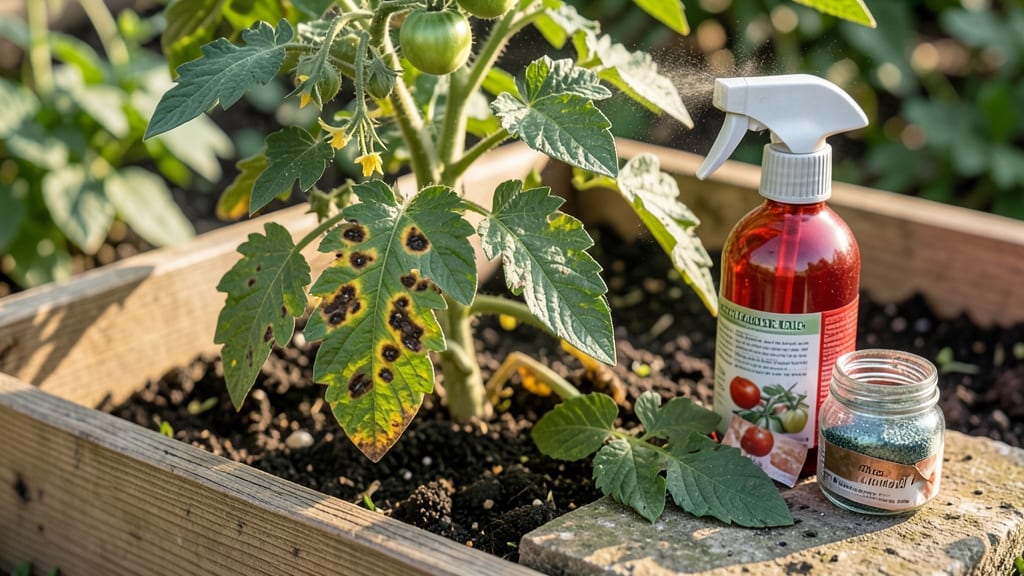
Your citrus tree’s leaves are developing dark spots with yellow halos—Phyllosticta leaf spot is attacking, and copper spray is your fastest defense. ✨ I’ve battled this stubborn fungus for years, and once I learned the copper spray schedule, my trees recovered within weeks.
The key is acting early before the spots spread to the fruit or kill entire branches.
This fungal disease thrives in warm, humid conditions, so proper spacing between plants and good airflow are your first lines of defense. Prune out infected leaves immediately and sterilize your tools with rubbing alcohol to prevent spreading.
Copper spray isn’t just a cure—it’s a preventive shield when applied every 7-14 days during wet seasons.
Within 2-3 weeks of consistent treatment, you’ll see new growth pushing out clean, vibrant leaves. The spots stop spreading, and your tree regains its health—no more wilting branches or fruit rot. It’s not just about saving the leaves; it’s about restoring your plant’s confidence to thrive again.
Works for citrus, fruit trees, and ornamentals alike, whether you’re dealing with a single branch or a full grove. Here’s how to make it work for your garden—no more helplessly watching your trees decline.
Root Causes Of Fungal Leaf Spots
Fungal leaf spots like Phyllosticta don’t just appear out of thin air—they’re the result of a perfect storm of environmental and biological factors. Understanding these triggers is key to stopping them before they wreck your plants. Here’s why your leaves are turning into a fungal buffet:
Phyllosticta thrives in damp, stagnant environments where water lingers on leaves. Here’s how it happens:
- Prolonged leaf wetness: Fungal spores need moisture to germinate and infect. If leaves stay wet for more than 6–12 hours (especially in warm temps), spores activate and penetrate leaf tissue.
- Poor airflow: Dense foliage, thick canopies, or crowded plants trap humidity, creating ideal fungal incubators. Think of it like a sauna for spores.
- Rain or overhead watering: Splashing water from rain or sprinklers spreads spores from infected leaves to healthy ones, accelerating outbreaks.
Actionable fix: Space plants for airflow, water at the base (not overhead), and avoid late-day watering to let leaves dry faster.
These spots start as microscopic spores—often hitchhiking from infected plants, soil, or even wind. Here’s how contamination spreads:
- Infected plant debris: Old leaves, twigs, or pruned material left in the soil harbor Phyllosticta spores, which survive for years. One infected leaf = a spore bomb waiting to explode.
- Contaminated tools or hands: Pruners, gloves, or even your shoes can transfer spores from plant to plant. Sanitize tools with 70% alcohol between uses!
- Wind or water spread: Spores hitch rides on breezes or rain, landing on nearby plants like fungal snowflakes.
Actionable fix: Remove and dispose of infected foliage (don’t compost it!), sterilize tools, and isolate new plants for 2 weeks to monitor for symptoms.
Fungi are opportunistic—when plants are weakened, Phyllosticta pounces. These conditions create stress:
- Extreme heat or cold: Sudden temperature swings (e.g., frost followed by warmth) shock plants, lowering their defenses. Think of it as a fungal “open sesame” moment.
- Nutrient deficiencies: Lack of nitrogen, potassium, or micronutrients (like zinc or manganese) weakens cell walls, making them easier targets.
- Physical damage: Hail, pests (like aphids), or rough handling create entry points for spores.
Actionable fix: Mulch to regulate soil temp, fertilize with balanced nutrients, and protect plants from extreme weather.
Not all plants are equally vulnerable. Phyllosticta loves:
- Young, tender leaves: New growth is softer and more permeable, making it a prime infection site.
- Stress-prone species: Plants like citrus, grapes, or ornamental trees (e.g., Cercis canadensis) are notorious hosts.
- Over-fertilized foliage: Too much nitrogen promotes lush, weak growth that’s easier to infect than tough, mature leaves.
Actionable fix: Prune for airflow, avoid excessive nitrogen, and choose resistant varieties when possible (e.g., Phyllosticta-resistant citrus grafts).
Fixing Fungal Leaf Spots Fast
Discovering dark, spreading spots on your plants can feel like a gardener’s nightmare—but don’t panic! With the right approach, you can reverse the damage and protect your greenery from Phyllosticta leaf spot.
Below, we break down the most effective solutions, tailored to the root causes of the problem, so you can act quickly and prevent future outbreaks. 🌱💦
When plants are packed too tightly or blocked by dense foliage, humidity lingers, creating the perfect breeding ground for fungal spores. Here’s how to fix it:
- 🍳 Prune aggressively: Trim back overgrown branches and leaves to improve airflow. Focus on the center of the plant where moisture traps most easily.
- 👨🍳 Space them out: Rearrange plants so they’re at least 12–18 inches apart (adjust based on mature size). Dwarf varieties? Give them 6–12 inches.
- 🌡️ Monitor humidity: Use a hygrometer to keep levels below 60%. If needed, add a small fan on low speed near the plants.
💡 Pro Tip: Mulch sparingly—too much retains moisture. Stick to a 2–3 inch layer of straw or pine needles instead of thick organic mulch.
Ignoring early signs of leaf spot lets the fungus spread like wildfire. Act fast with these steps:
- 🔪 Remove infected leaves: Snip off any leaf with spots (even small ones) and dispose of them in the trash—not the compost.
- 💦 Apply copper fungicide: Spray a 1% copper-based solution (like copper sulfate or copper hydroxide) every 7–10 days until new growth appears. Timing matters: Do this in the early morning or late afternoon to avoid leaf burn.
- ⏰ Sterilize tools: Wipe pruners with rubbing alcohol between cuts to prevent cross-contamination.
✨ Bonus: For organic gardens, mix 1 tbsp baking soda + 1 tsp dish soap + 1 gallon water as a preventative spray (test on a small leaf first).
Fungal spores love damp leaves. If your plants stay soggy, adjust your watering habits:
| Problem | Solution |
|---|---|
| Overwatering | Let the top 1–2 inches of soil dry out between waterings. Stick your finger in the soil—if it’s damp, wait. |
| Poor drainage | Amend soil with perlite or sand to improve aeration. Elevate pots to prevent water pooling. |
| Rain exposure | Water plants at the base (not overhead) and use a rain guard (a clear plastic shield) during heavy downpours. |
💡 Pro Tip: If you must water leaves (e.g., for dusting), do it early in the day so foliage dries by nightfall.
Stressed plants—whether from nutrient deficiencies, pests, or extreme temperatures—are prime targets for fungal infections. Strengthen them with:
- 💪 Fertilize smartly: Use a balanced, slow-release fertilizer (like 10-10-10) to boost overall health. Avoid high-nitrogen fertilizers, which promote soft, susceptible growth.
- 🛡️ Treat pests first: Spider mites, aphids, and scale insects weaken plants. Blast them off with a soapy water spray (1 tsp mild soap per quart of water).
- 🌡️ Shield from stress: Move plants to a consistent temperature zone (avoid cold drafts or hot sun). Mulch helps regulate soil temps.
🔥 Quick Fix: A seaweed extract spray (like Maxicrop) can boost plant immunity in 24–48 hours.
By tackling the cause—not just the symptoms—you’ll see healthier leaves in 2–4 weeks. Stay vigilant, and your plants will thank you with vibrant, spot-free foliage! 🌿🌟
Frequently asked questions
What do Phyllosticta leaf spots look like at first?
Early signs appear as tiny, dark brown or black spots with yellow halos on leaves. These spots start small—about 1/8-inch wide—and often appear on younger leaves first. If left untreated, they'll grow larger and may develop white or gray centers as the fungus matures.
Can copper spray harm my plants if used too often?
Copper fungicides are generally safe when used correctly, but applying them more than every 7 days can cause leaf burn or stunted growth. Always follow label instructions and apply in early morning or late afternoon to avoid direct sunlight. For extra safety, dilute homemade copper solutions to 1% concentration or less.
How long does it take to see improvement after treatment?
With consistent copper spray applications (every 7-10 days) and proper plant care, you should see new, healthy leaves emerging within 2-3 weeks. Existing spots won't disappear completely, but they'll stop spreading. For severe cases, it may take 4-6 weeks to see full recovery of affected foliage.
Will removing infected leaves completely stop the spread?
Removing infected leaves is crucial, but it won't stop the spread entirely—spores remain in soil and debris. Always pair removal with copper fungicide treatments and proper sanitation. Sterilize pruning tools with 70% rubbing alcohol between cuts, and avoid composting infected plant material.
Are there any organic alternatives to copper spray?
Yes! Try a homemade baking soda spray (1 tbsp baking soda + 1 tsp dish soap + 1 gallon water) as a preventive measure. For more potency, use neem oil (1 tsp per quart of water) or potassium bicarbonate (2 tbsp per gallon). These work best when applied every 5-7 days during wet seasons.