
Pests and Diseases
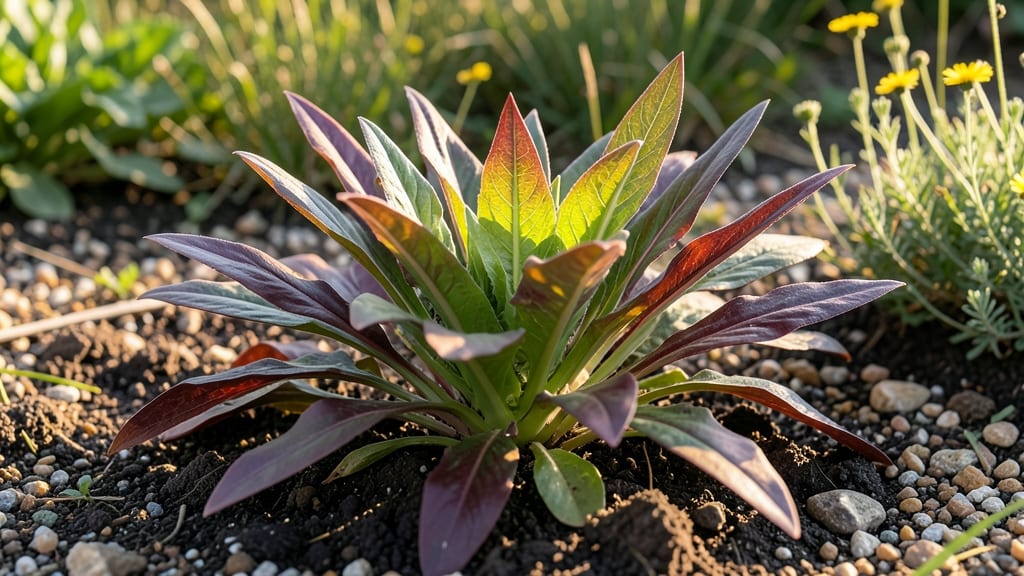
Growing pointy leaf lettuce like crisp romaine or delicate oakleaf transforms your garden into a salad bar. 🌱 The secret to those perfect, crisp edges lies in soil, spacing, and timing—no fancy tricks needed.
I’ve grown these varieties for years, and the difference between floppy, bitter leaves and restaurant-quality crunch comes down to a few simple habits.
Start with loose, well-draining soil rich in organic matter—think compost mixed into the top 6-8 inches. Plant seeds ¼ inch deep, spacing them 12-18 inches apart for full heads or 6-12 inches for loose-leaf types.
Lettuce thrives in cool weather, so aim for spring or fall plantings in most climates, or grow it year-round in containers on a sunny windowsill.
Keep the soil consistently moist but never soggy—lettuce hates soggy roots. A morning watering routine prevents wilting and bolting, while a light mulch keeps moisture in and weeds out.
In 3-4 weeks, you’ll harvest crisp, tender leaves perfect for salads, wraps, or sandwiches. The first cut encourages regrowth, giving you multiple harvests from a single planting.
Watch for pests like slugs and aphids—handpick or use row covers early to avoid damage. If leaves start to yellow or taste bitter, it’s a sign of heat stress or overmaturity. With these tips, you’ll enjoy crisp, homegrown greens long after store-bought lettuce turns limp and sad.
📚 In This Guide
- What you need
- Instructions
- Tips and common mistakes
- Wrapping up and next steps
What you need
- ● Seeds: Lactuca sativa (pointy leaf varieties like 'Black Seeded Simpson' or 'Salad Bowl'). Aim for 20-30 seeds per planting session.
- ● Growing Medium: Well-draining potting mix (for containers) or loamy garden soil (for in-ground planting).
- ● Compost (1-2 cups per planting hole) to enrich soil fertility.
- ● Containers (if applicable): 6-8 inch pots or 12-inch-wide raised beds with drainage holes.
- ● Watering Can or Hose: With a gentle spray nozzle for consistent moisture.
- ● Fertilizer: Balanced organic fertilizer (e.g., 5-5-5) or compost tea for slow-release nutrients.
- ● Garden Trowel or small hand shovel for planting.
- ● Pruners or clean scissors to harvest outer leaves.
- ○ Garden Gloves (optional but recommended for protection).
- ○ Row Cover or Shade Cloth (optional, for 30-50% shade in hot climates).
- ● Mulch (straw or shredded leaves) to retain moisture and suppress weeds.
- ● Location: Partial shade (4-6 hours of sunlight daily) or dappled sunlight in hotter regions.
- ● Temperature: Ideal germination range: 45-75°F (7-24°C). Avoid frost (below 32°F/0°C).
- ● Spacing: 6-12 inches apart in rows 12-18 inches apart.
- ● pH Level: Slightly acidic to neutral soil (6.0-7.0 pH).
How to grow pointy leaf lettuce for perfect crispy edges
Here's how to grow lettuce with those prized sharp leaves—tender yet crisp, ready to harvest all season long.
🌱 Step 1: Choose the Right Variety and Planting Time
Pointy leaf lettuce thrives in cool weather, so I plant mine 4-6 weeks before the last frost in spring and again in late summer for a fall harvest. Varieties like 'Arctic King' or 'Black Seeded Simpson' hold their crisp texture better than loose-leaf types. Avoid planting during summer heat—temperatures above 75°F cause bolting, and those perfect leaves turn bitter.
For year-round production, I use shade cloth in summer or grow under row covers to keep soil temperatures below 70°F. The key is consistent coolness—you'll notice leaves soften and yellow when stressed by heat. Start seeds indoors 3-4 weeks before transplanting to give them a head start, or buy sturdy young plants from a nursery.
🪴 Step 2: Prepare Soil and Plant for Optimal Growth
Lettuce roots are shallow but sensitive to compaction, so I loosen the top 6 inches of soil with a garden fork before planting. Mix in 2-3 inches of compost to enrich the soil—lettuce loves nutrients but hates soggy conditions. The ideal planting spot gets 3-5 hours of morning sun and afternoon shade, especially in hotter climates.
Space plants 8-12 inches apart in rows 12-18 inches apart to allow airflow and prevent disease. I plant mine in blocks rather than straight rows—this makes harvesting easier and reduces wasted space. Water gently after planting to settle the soil around roots, but avoid soaking the leaves to prevent fungal issues.
☀️ Step 3: Maintain Consistent Moisture and Light
Lettuce needs 1 inch of water per week, delivered consistently to keep soil evenly moist but not waterlogged. I water in the morning so leaves dry quickly, reducing the risk of mildew. Mulch with 1 inch of straw to retain moisture and suppress weeds—this is especially important in summer when evaporation speeds up.
Watch for leggy growth (long, thin stems with small leaves), which means your lettuce isn't getting enough light. If this happens, thin plants to 6 inches apart or provide afternoon shade with a light fabric row cover. You'll know your lettuce is happy when the outer leaves stay crisp and upright, not wilting or curling.
✂️ Step 4: Harvest for Maximum Crispness
Harvest outer leaves when they reach 3-4 inches long—this encourages continuous production. Use clean scissors or a sharp knife to cut just above a leaf node, leaving the inner leaves intact. I harvest in the morning after dew has dried but before the sun gets too intense, as this preserves crispness.
For the crispiest edges, avoid harvesting during heatwaves or drought. If leaves start to bolt (send up a flower stalk), cut the entire plant at the base—while it won't be as tender, the leaves are still edible. Regular harvesting prevents bitterness and keeps your lettuce productive for 6-8 weeks in ideal conditions.
Tips & tricks for perfect pointy leaf lettuce
Between us, growing pointy leaf lettuce with those prized crispy edges takes more finesse than you'd think. Here's what nobody tells you about keeping your lettuce sharp and productive all season.
Soil Temperature is Everything: The 70°F soil temperature threshold isn't just a number—it's the difference between crisp, sweet lettuce and sad, limp leaves. Use a soil thermometer to verify temperatures before planting, especially in spring or fall. I've found that planting in raised beds warms up faster in cool climates, giving you that perfect window for those 4-6 weeks before last frost timings. The roots actually absorb more nutrients when soil temps stay in this ideal range.
Light Management Secret: That 3-5 hours of morning sun recommendation isn't just about avoiding afternoon heat—it's about light intensity. Morning sunlight is less intense and provides the perfect balance of energy without stressing the plants. If you notice leaves turning yellow or stretching toward light (leggy growth), it's your cue to either move plants to partial shade or thin them to 6 inches apart for better air circulation. I've had great success using 30% shade cloth during summer months to maintain that crisp texture.
Watering Technique That Makes All the Difference: The 1 inch of water per week guideline assumes perfect conditions, but real gardens have variations. I've learned to water deeply every other morning rather than daily shallow watering—this encourages deeper root growth that makes leaves more resilient. The key is keeping the soil consistently moist but never soggy; I check moisture by sticking my finger about an inch into the soil. If it's dry at that depth, it's time to water. Mulching with that 1 inch of straw helps maintain even moisture levels while suppressing weeds that compete for nutrients.
Harvesting Hack for Continuous Production: When harvesting those 3-4 inch leaves, I always cut just above a leaf node using clean scissors—this prevents damage to the plant and encourages new growth from that exact spot. The morning harvest window is crucial because dew can make leaves more fragile, while midday heat causes wilting. I've found that harvesting every 2-3 days during peak growth prevents bitterness and keeps the plant producing for that full 6-8 week window mentioned in the instructions.
Pro Tips for Pointy Leaf Lettuce
- Between us, growing pointy leaf lettuce with those prized crispy edges takes more finesse than you'd think.
- Soil Temperature is Everything: The 70°F soil temperature threshold isn't just a number—it's the difference between crisp, sweet lettuce and sad, limp leaves.
- Light Management Secret: That 3-5 hours of morning sun recommendation isn't just about avoiding afternoon heat—it's about light intensity.
Frequently asked questions
Got questions about growing pointy leaf lettuce? You’re not alone!
Here are answers to the most common concerns—from pests to harvest timing—so you can grow crisp, delicious greens with confidence.
How do I keep pointy leaf lettuce from bolting (going to seed) too early?
Bolting happens when lettuce senses heat or stress. To delay it:
- Plant in cool seasons (spring/fall) or use shade cloth (30-50%) in summer.
- Choose heat-tolerant varieties like ‘Jericho’ or ‘Black Seeded Simpson.’
- Avoid overwatering—keep soil consistently moist but not soggy.
- Harvest outer leaves early to reduce stress on the plant.
What pests or diseases should I watch for, and how do I treat them?
Pointy leaf lettuce is prone to:
- Aphids: Spray with soapy water (1 tsp mild soap + 1 quart water) or introduce ladybugs.
- Slugs/Snails: Set up beer traps or use copper tape around beds.
- Downy Mildew: Space plants for airflow, water at the base (not leaves), and remove infected leaves.
- Lettuce Moth: Cover seedlings with floating row covers until mature.
How long does it take to harvest pointy leaf lettuce?
Most varieties are ready in 30–50 days for baby leaves or 50–60 days for full heads, depending on the type. Check for:
- Crisp, vibrant leaves (not wilted or yellowing).
- Outer leaves reaching 4–6 inches tall.
Can I grow pointy leaf lettuce in containers, or does it need a garden bed?
Lettuce thrives in containers if you meet its needs:
- Use pots at least 6–8 inches deep (bigger = more harvests).
- Ensure drainage holes and well-draining soil (mix potting soil with compost).
- Place in partial shade (especially in hot climates) to prevent bolting.
- Water daily in containers—they dry out faster than garden beds.
What’s the best way to store harvested pointy leaf lettuce?
Keep it fresh for 5–7 days with these tricks:
- Rinse just before eating—damp leaves spoil faster.
- Pat dry with a paper towel to remove excess moisture.
- Store in a sealed container with a paper towel to absorb humidity.
- Keep in the crisper drawer (or a cool, dark place if no fridge).
Wrapping up and next steps
Growing pointy leaf lettuce is a rewarding journey that brings fresh, crisp greens to your table—even in less-than-ideal conditions! With the right materials, a little patience, and proactive pest/disease management, you’ll enjoy a thriving harvest.
Whether you’re a beginner or a seasoned gardener, this leafy green is a game-changer for year-round salads and vibrant meals.
Ready to take the next step? Start small—try a few plants in containers or a dedicated garden bed—and watch your confidence (and harvest!) grow. Happy gardening! 🌱✨