
Leaf Blower
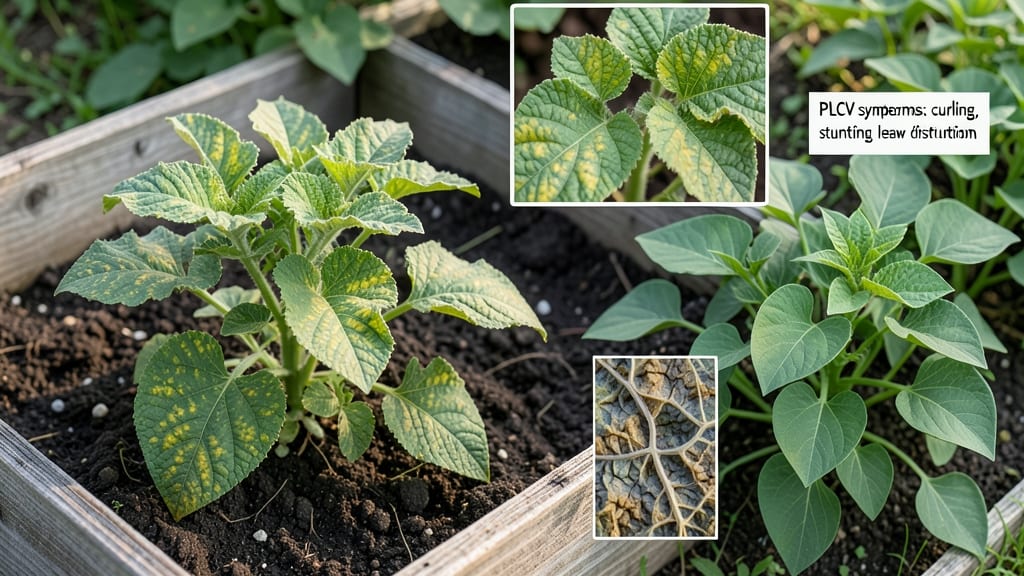
When the potato leaf curl virus starts twisting potato leaves into crumpled paper, copper spray is your best defense. 🌱 I’ve battled this stubborn virus in my garden, and a strict copper spray schedule keeps my potatoes thriving—even in humid summers when the virus spreads fastest.
The key isn’t just spraying; it’s timing, concentration, and consistency to starve the virus before it takes hold.
This virus thrives on aphids and wind, twisting leaves into useless husks while stunting tubers underground. Organic copper sprays (like Bordeaux mixture) disrupt the virus’s life cycle without harming beneficial insects if used correctly.
The trick is applying it every 7–10 days during peak aphid season, starting when plants hit 6–8 inches tall. Miss a spray, and you risk losing half your harvest to curled, yellowing foliage.
With this schedule, you’ll see vibrant green leaves holding strong against wind and pests. Tubers develop normally, and your yield stays healthy and abundant—no more shriveled, misshapen potatoes hiding under the soil. The spray works best as prevention, but even infected plants can recover if caught early.
Works for both organic and conventional gardens, though organic methods require extra vigilance. Pair your sprays with resistant varieties like ‘Red LaSoda’ or ‘Yukon Gold’ for double protection. Let’s keep those potatoes thriving—no crumpled leaves in sight.
How Viruses Spread in Gardens
Understanding why potato leaf curl virus (PLCV) takes hold in your garden is the first step to stopping it. This sneaky pathogen doesn’t just appear—it thrives due to a mix of environmental, biological, and human factors.
Let’s break down the key reasons behind its spread so you can protect your plants proactively.
The primary culprit behind PLCV spread is the aphid—those tiny, sap-sucking insects that seem to multiply overnight. Aphids don’t just feed on plants; they act as mobile virus carriers.
When an infected aphid feeds on a healthy potato plant, it injects the virus into the plant’s vascular system, causing stunted growth, curled leaves, and yellowing within weeks.
- How it works: Aphids acquire the virus from infected plants (even weeds!) and transmit it in one of two ways: - Non-persistent transmission: The virus is picked up and spread within minutes of feeding.
This is the most common route for PLCV. - Persistent transmission: Rare for PLCV, but some aphid species can carry the virus for days or even their entire lifespan. - Actionable tip: 💡 Monitor aphid populations regularly, especially during warm, humid weather when they thrive.
Use yellow sticky traps near your potato patches to catch them early.
PLCV doesn’t survive long in soil or on dead plant material, but infected plant debris can still harbor the virus for short periods.
If you’re rotating crops or clearing old garden beds, leftover stems, leaves, or tubers from infected plants might still pose a risk—especially if aphids feed on them before moving to healthy plants.
- Key factors: - Weeds as reservoirs: Plants like nightshade or other solanaceous weeds can host the virus and attract aphids. - Improper disposal: Burning or composting infected plant material (without high heat) may not fully eliminate the virus. - Actionable tip: ✨ Remove all plant debris from your garden after harvest, especially from last year’s potato beds.
Avoid composting infected material—dispose of it in sealed bags instead.
PLCV thrives in warm temperatures (70–85°F) and moderate humidity, which is why outbreaks spike in late spring and summer. Aphids also reproduce faster in these conditions, accelerating the virus’s spread. Additionally, high humidity can weaken plant defenses, making them more susceptible to infection.
- Why it matters:
- Aphid population explosions: Warm weather triggers aphid reproduction cycles, leading to more vectors for the virus.
- Slower plant recovery: Stressed plants (due to heat or drought) heal more slowly, giving the virus a foothold.
- Actionable tip: 🌡️ Use shade cloth or drip irrigation during peak heat to reduce plant stress. Early morning watering (when humidity is lower) can also deter aphids.
While PLCV itself isn’t airborne, aphids and infected plant parts can hitch rides on wind, tools, or even your shoes. If you’re moving between garden beds or sharing tools (like pruners or shovels) without cleaning them, you might unknowingly transport the virus.
- Common sources of spread:
- Contaminated tools: Sap from infected plants can linger on blades and spread to healthy plants.
- Seed potatoes: If you’re using seed potatoes from infected plants, the virus can be dormant in the tubers.
- Wind-blown debris: Leaves or stems from nearby infected crops can land in your potato patch.
- Actionable tip: 🔪 Sanitize tools between uses with a 10% bleach solution or rubbing alcohol. Buy certified disease-free seed potatoes from reputable suppliers.
Healthy potato plants have natural defenses, but stress from poor nutrition, overcrowding, or disease makes them prime targets for PLCV. When plants are already struggling, the virus can take hold faster and cause more severe symptoms.
- Common stressors:
- Nutrient deficiencies: Low nitrogen or potassium weakens plant immunity.
- Overwatering or drought: Both extremes stress plants and make them vulnerable.
- Fungal or bacterial infections: A compromised plant is more likely to succumb to PLCV.
- Actionable tip: 💪 Boost plant health with balanced fertilizer (high in potassium) and proper spacing to improve airflow. Rotate crops annually to prevent soil-borne stress buildup.
Quick Fixes for Leaf Curl Woes
Now that you understand the root causes of leaf curl—whether from viral infections like potato leaf curl, environmental stress, or poor gardening habits—it’s time to roll up your sleeves and take action!
Below are practical, step-by-step solutions tailored to each common cause, plus prevention tips to keep your plants thriving long-term.
🔥 Remove Infected Plants Immediately Viruses like potato leaf curl spread rapidly, so quarantine and destroy affected plants ASAP. Dig them up, bag them, and dispose of them in the trash (not compost)—do not burn if local regulations prohibit it. This stops the virus from infecting healthy plants.
🍳 Copper Spray Schedule for Prevention Since viruses can’t be cured, prevention is key. A copper-based fungicide spray (like copper sulfate or copper hydroxide) can suppress viral spread by targeting secondary infections (e.g., fungal or bacterial hitchhikers that weaken plants). Here’s how to use it:
| Step | Action | Frequency |
|---|---|---|
| Cleanup | Remove all debris, weeds, and old plant matter from the garden. | Once before spraying |
| Spray | Mix copper spray as per label instructions (typically 1–2 tbsp per gallon). | Every 7–14 days during growing season |
| Target Areas | Focus on new growth, undersides of leaves, and stems. | Every application |
| Evening Spray | Apply in the late afternoon or early evening to avoid leaf burn. | Always |
💡 Pro Tip: Rotate with neem oil (1 tsp per quart of water) every other spray to avoid copper buildup in the soil.
👨🍳 Provide Shade & Water Deeply Leaf curl from heat stress? Move potted plants to partial shade during peak sun (10 AM–4 PM). For in-ground plants, use shade cloth (30–50% coverage). Water deeply at the base (1–2 inches per week) rather than shallowly to encourage strong root growth.
🎯 Mulch Like a Pro Spread 2–3 inches of organic mulch (straw, wood chips, or grass clippings) around plants to:
- Retain moisture
- Regulate soil temperature
- Block weeds that compete for water
✨ Adjust Watering Habits
- Morning watering (before 10 AM) reduces evaporation.
- Drip irrigation delivers water directly to roots, minimizing leaf stress.
- Avoid overhead watering—it can scorch leaves and spread disease.
📊 Soil Test First! Before guessing, test your soil (kits from garden centers or local extensions offices work). Common deficiencies causing leaf curl:
- Nitrogen (N): Yellowing leaves → Use blood meal or fish emulsion.
- Potassium (K): Weak stems, curled edges → Apply wood ash or banana peel tea.
- Magnesium (Mg): Yellow patches between veins → Sprinkle Epsom salt (1 tbsp per gallon of water).
💪 Fertilize Smartly
- Balanced fertilizer (10-10-10) for general health.
- Slow-release granules (like Osmocote) for steady nutrition.
- Avoid over-fertilizing—it burns roots and stresses plants!
🔪 Inspect & Treat Infestations Curl can result from sap-sucking pests like aphids, spider mites, or whiteflies. Blast them off with:
- Strong spray of water (early morning).
- Insecticidal soap (1 tsp per quart of water, spray undersides of leaves).
- Neem oil (1% solution, repeat every 5–7 days).
🌿 Encourage Beneficial Insects
- Plant marigolds, basil, or dill nearby to attract ladybugs and lacewings (natural pest predators).
- Install bluebird houses—they eat caterpillars!
- Rotate crops annually to prevent soil-borne diseases.
- Buy certified disease-free seedlings from reputable nurseries.
- Disinfect tools (pruners, trowels) with rubbing alcohol between uses.
- Monitor weather forecasts—cover plants if frost or extreme heat is predicted.
- Keep the garden clean—remove fallen leaves and debris where viruses/pests hide.
By tackling the specific cause of your plants’ leaf curl and following these simple, actionable steps, you’ll see healthier, happier plants in no time. Stay proactive, and your garden will thank you! 🌿💚
Frequently asked questions
Can copper spray actually stop potato leaf curl virus?
Copper spray doesn't cure the virus directly, but it helps by preventing secondary fungal/bacterial infections that weaken plants and make them more vulnerable. When used every 7-10 days during peak aphid season (spring/summer), it creates an inhospitable environment for the virus to spread. Think of it as armor for your plants!
How do I know if my potatoes have leaf curl virus vs. just heat stress?
Leaf curl virus creates permanent curling that worsens over time, while heat stress causes temporary wilting that improves in cooler evenings. Check for yellowing veins, stunted growth, and small tubers - these are classic virus signs. Heat-stressed plants usually recover with shade and water.
Are there potato varieties resistant to leaf curl virus?
Yes! Varieties like 'Red LaSoda' and 'Yukon Gold' show better resistance. For maximum protection, combine resistant varieties with copper sprays and aphid control. Even "resistant" plants can get infected, but they'll show milder symptoms and better yields.
Can I still harvest potatoes if the leaves show curl symptoms?
You can harvest, but yields will be smaller and tubers may be deformed. The virus affects leaves first, but tubers can still develop. For best results, harvest when plants flower, before the virus spreads underground. Expect 20-50% smaller harvests from infected plants.
How long does copper spray last in the garden?
Copper's effectiveness lasts about 7-10 days before rain or plant growth dilutes it. For continuous protection, spray every week during warm months. Store unused spray in a cool, dark place - it loses potency when exposed to sunlight or extreme temperatures.