
Propagation
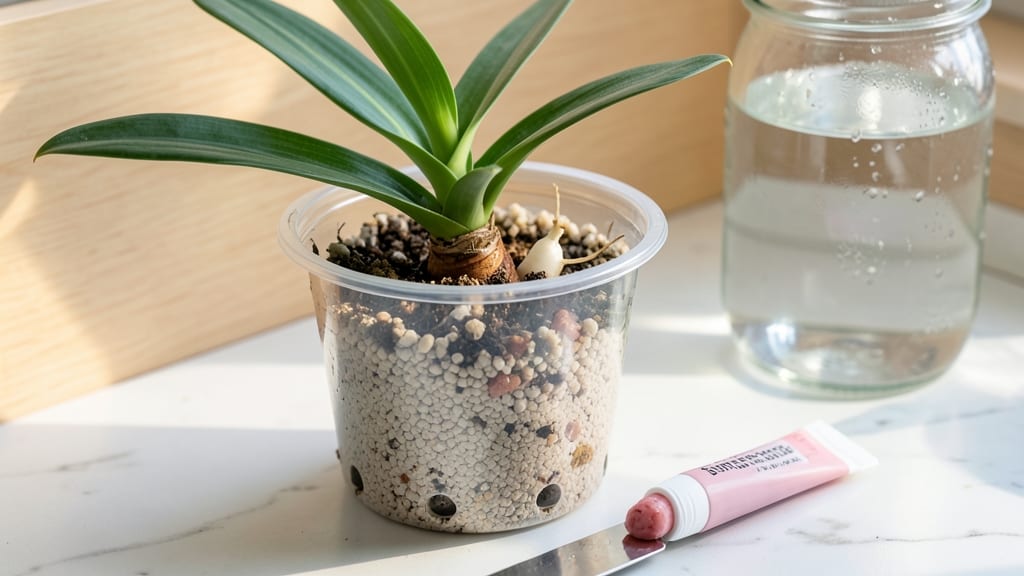
When you’re trying to propagate ti leaf cuttings and the roots are coming in but the trunk is soggy, this is a classic sign your cutting is in trouble—even if it looks promising. 🌱 I’ve nursed dozens of these cuttings back to health, and the fix starts with understanding why that trunk goes mushy in the first place.
It’s almost never about the roots themselves, but what’s happening above them.
The soggy trunk usually means one of three things: too much humidity trapping moisture, a propagation medium that’s holding water like a sponge, or a cutting that’s been watered while still healing.
The roots might be growing, but the stem above is drowning in its own environment. This is where the air-drying cure comes in—it’s the game-changer for cuttings that look doomed.
You’ll see the difference within 3-5 days: the trunk firms up, new growth appears, and roots keep strengthening without rot. The key is balancing moisture without smothering the cutting.
We’re talking about a simple shift from a humid terrarium to drier air, and it works even for stubborn cuttings that refuse to cooperate.
This method works for ti plants, pothos, and even ferns—any cutting that struggles with soggy stems. The best part? You don’t need fancy supplies, just a little patience and the right conditions. Let’s get that trunk back to its sturdy self.
Rooting Mistakes That Sink Ti Leaves
When your Tipuana tipu (ti leaf) sends out eager roots but leaves the trunk soft and waterlogged, the issue almost always traces back to how you’re handling moisture and aeration. Let’s break down the real culprits—and why they turn your propagation project into a soggy mess.
🌱 The Problem: Roots love moisture, but if you keep them submerged or overly damp before the cut end hardens, the stem stays too wet. A soggy trunk is basically a rotting invitation—fungus and bacteria thrive in stagnant water, while the plant’s vascular system gets clogged.
🔬 Why It Happens: - Ti leaves propagate via stem cuttings, which rely on callusing (a protective layer forming over the wound) before roots can sustain growth. - If the cutting sits in water or overly wet media too soon, the stem absorbs more water than it can process.
The cells swell, weaken, and start breaking down. - Science alert: Plant cells are made of 90% water, but when they absorb too much too fast, their structure collapses—like overfilling a water balloon until it bursts.
💡 Pro Tip: Wait 24–48 hours before introducing moisture. Let the cut end slightly scab over (it’ll look dry and matte). This tiny step prevents the trunk from turning to mush.
💨 The Problem: Stagnant air = a greenhouse for rot. If your propagation setup (water jar, humidity dome, or growing tray) lacks airflow, condensation builds up on the trunk, keeping it damp for days.
🔬 Why It Happens: - Ti leaves are tropical but not swamp plants. Their natural habitat has dry seasons—they’re adapted to brief droughts, not constant moisture. - Without airflow, humidity clings to the stem, mimicking a rainforest’s damp conditions.
But unlike a mature tree, a cutting can’t handle this 24/7. - Fungal spores (like Phytophthora or Pythium) lurk in still air. They latch onto a soggy trunk like a shark to chum.
🌡️ Fix It: Place a small fan (even a weak one) near your cuttings to create a gentle breeze. Aim for 3–5 mph—just enough to dry the trunk between waterings.
💧 The Problem: Peat moss, perlite, or even water can all go wrong if they don’t drain fast enough. A medium that stays soggy smothers roots and drowns the trunk.
🔬 Why It Happens: - **Ti leaf cuttings need aerated moisture—not a swamp. Roots require oxygen to grow, but waterlogged soil (or water) pushes oxygen out, suffocating them. - Perlite vs. sand vs. water:** Perlite drains too fast (can dry out roots), while pure water has zero oxygen.
A 50/50 mix of perlite and coarse sand strikes the balance. - Root rot sets in within 48 hours in stagnant water. The trunk above ground mirrors the problem—it’s not just the roots failing, it’s the whole plant’s vascular system getting clogged.
✨ Game-Changer: Use a terracotta pot (unglazed) for cuttings—it wicks away excess moisture through its walls. Or try kinetic growing (like a DIY setup with a bottle and air holes) to keep humidity high without drowning the trunk.
🌡️ The Problem: Cold water or drafts shock the plant, slowing callusing and making the trunk vulnerable to rot.
🔬 Why It Happens: - Ti leaves thrive in warmth (70–85°F). Cold water (below 60°F) stuns cell activity, delaying healing. - Drafts from AC or open windows create temperature fluctuations.
The trunk expands and contracts, weakening its structure. - Science fact: Plant cells have osmotic pressure—they regulate water intake. Cold stress disrupts this balance, making them absorb water uncontrollably.
🔥 Quick Fix: Use room-temperature water (never straight from the tap) and keep cuttings away from vents or windows. A seedling heat mat (set to 75°F) can speed up callusing if your home runs chilly.
🌿 The Problem: Fertilizer = food for roots, but too soon throws off the plant’s natural growth signals, causing the trunk to soak up water like a sponge.
🔬 Why It Happens: - Young cuttings don’t need nutrients—they need to heal. Fertilizer (even diluted) speeds up metabolism before the cutting is ready, leading to soft, waterlogged stems. - Nitrogen-heavy fertilizers (like fish emulsion) push leafy growth at the expense of trunk strength.
A weak stem = a rot magnet. - Root cells start dividing faster than the trunk can support them. The result? A trunk that can’t keep up, leading to collapse.
🎯 Rule of Thumb: Wait 4–6 weeks before fertilizing. Once roots are 1–2 inches long, use a balanced, diluted fertilizer (half-strength, 20-20-20 or similar).
Fixing Soggy Trunks in Ti Leaf Cuttings
Now that you understand why your ti leaf cuttings develop a soggy trunk despite growing roots, let’s tackle the solutions—step by step. The good news?
Most cases are reversible with the right care. Below, we’ve mapped common causes to fixes, along with prevention tips to keep your cuttings thriving.
If your cutting’s base feels mushy or sits in excess moisture, it’s time to air-dry and reset.
How to Fix:
- 🔪 Trim the soggy base: Use sterilized scissors to cut just above the healthy root zone (where roots are firm, not squishy).
- 🌡️ Air-dry the cutting: Lay it on a paper towel in a shady, warm spot (70–75°F) for 24–48 hours until the cut surface calluses over (turns slightly dry and dull).
- 🌱 Replant in fresh medium: Use a well-draining mix (perlite, pumice, or sand) and avoid compacting soil around the base.
💡 Prevention Tip:
- Water only when the top 1–2 inches of soil are dry. Stick your finger in—if it’s damp, wait!
If roots are forming but the trunk stays soggy, high humidity or stagnant air may be trapping moisture.
How to Fix:
- 👨🍳 Increase airflow: Move your cutting to a bright, indirect spot with gentle airflow (a small fan on low helps!).
- 🌬️ Reduce humidity: If using a humidity dome, prop it open or remove it entirely. Aim for 40–50% humidity.
- ⏰ Rotate daily: Ensure all sides get light to prevent uneven growth.
💡 Prevention Tip:
- Mist lightly 2x/week instead of keeping soil wet. Ti leaves hate soggy feet!
Heavy or water-retentive soil (like regular potting mix) smothers roots and causes rot.
How to Fix:
- 🔄 Repot in a fast-draining mix:
- Option 1: 50% perlite + 50% cactus/succulent soil.
- Option 2: Pure pumice or coarse sand (for humidity control).
- 🌿 Use a small pot: A 3–4 inch container prevents excess moisture buildup.
💡 Prevention Tip:
- Test your mix: Press it—if it stays clumped, add more perlite. It should crumble easily when dry.
If the trunk has dark spots, mold, or foul smells, a pathogen may be at play.
How to Fix:
- 🧼 Clean the cutting: Wipe the trunk with a 1:10 hydrogen peroxide solution (3% strength) to kill fungi/bacteria.
- 🏥 Isolate the plant: Keep it away from other cuttings until healed.
- 🌿 Apply fungicide (optional): Use a copper-based fungicide or neem oil spray if rot persists.
💡 Prevention Tip:
- Sterilize tools with rubbing alcohol before trimming.
- Avoid overhead watering—water at the soil level only.
If the trunk is too far gone (black, hollow, or collapsing), it’s best to propagate a new cutting.
How to Fix:
- 🔄 Take a fresh stem cutting from a healthy ti leaf plant.
- 🌱 Follow the air-dry method above before replanting.
- 📝 Label it! Track watering dates to avoid repeating mistakes.
💡 Prevention Tip:
- Propagate in warm months (spring/summer) when humidity is naturally lower.
For a visual guide, here’s how to match symptoms to solutions:
| Symptom | Likely Cause | Fix It With | Prevent It By |
|---|---|---|---|
| Soggy, mushy trunk | Overwatering | Trim, air-dry, replant in dry mix | Water only when soil is dry |
| Roots growing, trunk rot | Poor airflow/humidity | Increase airflow, reduce humidity | Use a fan, avoid domes |
| Dark spots/foul smell | Fungal/bacterial rot | Disinfect, isolate, fungicide | Sterilize tools, water at base |
| Slow growth, weak roots | Wrong soil mix | Repot in perlite/cactus mix | Test soil drainage |
Final Thought: Patience is key! Ti leaf cuttings are tough but hate soggy conditions. With these fixes, you’ll see firm trunks and strong roots in 2–4 weeks. 🌱✨
(Need a visual? Check out our [step-by-step propagation video] for hands-on tips!)
Frequently asked questions
Why does my ti leaf cutting get a soggy trunk even when roots are growing?
This happens when the cutting absorbs too much moisture before its stem can properly heal. Ti leaf cuttings need to callus over (form a protective layer) for 24–48 hours before watering. If you water too soon or use a humidity dome without airflow, the trunk stays damp and weakens. Think of it like trying to build a house on wet foundation—the structure collapses!
Can I save a cutting if the trunk is already mushy?
Yes! Trim off the soggy base just above healthy roots, then let it air-dry on a paper towel for 24–48 hours in a warm spot. Once callused, replant in a fast-draining mix (50% perlite + 50% cactus soil). Most cuttings bounce back within 1–2 weeks if you catch it early.
What’s the best propagation medium for ti leaf cuttings?
Avoid regular potting soil—it holds too much moisture. Instead, use a 50/50 mix of perlite and coarse sand or pure pumice. This creates tiny air pockets that prevent waterlogging while still keeping roots hydrated. For water propagation, use a jar with air holes and change the water every 3–4 days to prevent bacteria buildup.
How do I know if my cutting has root rot?
Check for these signs: black or brown mushy roots, a foul smell, or a trunk that feels hollow when pressed. If you see dark spots on the trunk or roots that crumble easily, it’s likely rot. The good news? Trim the affected parts, air-dry the cutting, and replant in fresh, dry medium. A copper-based fungicide can also help prevent further spread.
Should I use a humidity dome for ti leaf cuttings?
Only if you provide constant airflow. A closed dome without ventilation creates a greenhouse effect that traps moisture against the trunk. Instead, use a small fan on low near your cuttings or mist lightly 2x/week. Aim for 40–50% humidity—ti leaves aren’t tropical rainforest plants, they’re adapted to dry seasons too!